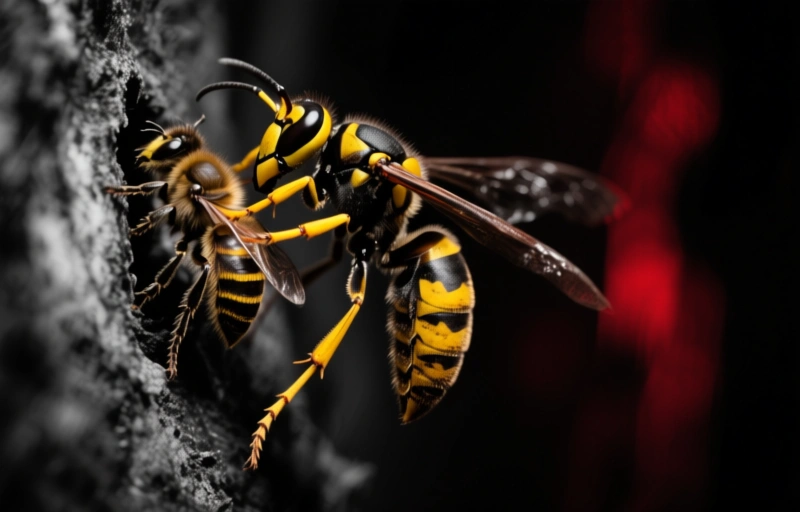
You've probably heard the buzz about 'murder hornets' in recent years. Well, there's a new threat on the block, and it's already causing problems for beekeepers and ecosystems. Yellow-legged hornets, an invasive species, have been confirmed in three states, and they're targeting our precious honeybees.
It's a serious situation that demands our attention. These hornets don't just compete for resources—they actively hunt bees, decimating hives and putting pollination at risk. For beekeepers, it's a nightmare scenario that requires immediate action and smart pest control strategies.
### What Makes Yellow-Legged Hornets So Dangerous?
These hornets are efficient predators. A single hornet can kill dozens of honeybees in a day, and they work together to overwhelm entire hives. They're particularly problematic because they target bees at the hive entrance, creating a state of constant siege that weakens the colony over time.
The economic impact is real too. Healthy bee colonies are crucial for agriculture, pollinating crops worth billions of dollars annually. When hornets attack, they're not just killing insects—they're threatening our food supply and local economies.
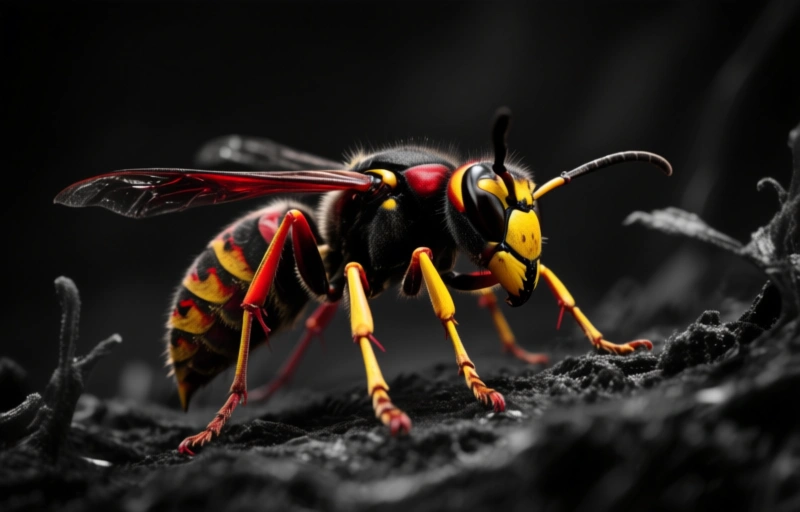
### Where Are These Hornets Currently Active?
As of now, confirmed sightings and established populations have been reported in:
- Georgia
- South Carolina
- Washington state
This spread across different regions suggests the hornets are adapting well to various climates. What's concerning is how quickly they've moved from initial detection to established populations. It reminds us that invasive species don't wait for permission—they just spread.

### Practical Steps for Beekeepers Facing This Threat
If you're managing hives in affected areas, don't panic. There are practical measures you can take right now:
- Monitor hive entrances regularly for hornet activity
- Reduce hive entrance sizes to make defense easier for guard bees
- Consider installing hornet traps around your apiary perimeter
- Maintain strong, healthy colonies that can better withstand pressure
- Report any suspected yellow-legged hornet sightings to your state agriculture department
One experienced beekeeper I spoke with put it perfectly: 'The best defense is a good offense when it comes to invasive species. Early detection and community reporting give us our best chance at containment.'
### Looking Beyond Immediate Control
This situation highlights a bigger picture we can't ignore. Climate change and global trade have made invasive species introductions more frequent. What happens in one part of the world can quickly become a problem in another.
For beekeepers, it means staying informed about emerging threats. It means collaborating with researchers and extension services. And it means recognizing that pest management is no longer just about treating what's here—it's about preparing for what might arrive tomorrow.
The yellow-legged hornet situation is evolving. New information comes out regularly as researchers track their spread and study their behavior. What's clear is that this isn't a problem that will solve itself. It requires vigilance, adaptation, and cooperation across the beekeeping community.
Remember, healthy bees mean healthy ecosystems and food systems. Protecting them from threats like these hornets isn't just good beekeeping—it's essential stewardship.
While the immediate threat of the yellow-legged hornet demands vigilant physical traps and targeted baits, beekeepers must also consider the broader health of their hives, as stress from pests can make colonies more susceptible to other issues. A robust, healthy bee colony is inherently more resilient. This holistic approach to apiary management mirrors the philosophy found in other fields dedicated to recovery and well-being, where informed comparison is key to finding the right support system. Just as responsible individuals seeking help for substance dependency benefit greatly from a careful and thorough process to
afkickklinieken vergelijken—evaluating treatments, expertise, and environment to ensure the best path to recovery—beekeepers must also compare and select their pest control strategies with similar diligence. The right product isn't just about immediate elimination; it's about long-term hive health, minimizing chemical exposure to the bees themselves, and ensuring the safety of your honey. Researching and comparing options, from organic acids like oxalic acid for varroa mites to specific hornet traps that avoid bycatch, is an essential duty. This proactive, comparative approach empowers you to build a stronger apiary, turning the challenge of invasive pests into an opportunity to deepen your stewardship and ensure your bees not only survive but thrive.