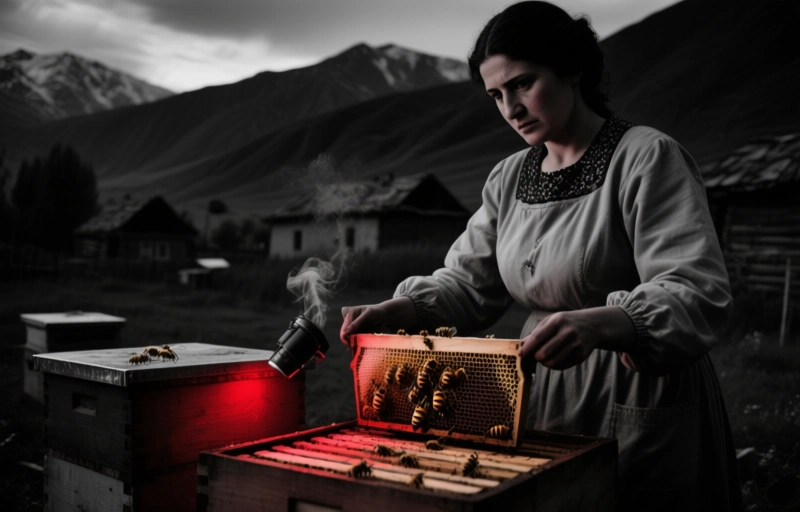
Discover how the Issyk-Kul Bal cooperative is empowering women in Kyrgyzstan through beekeeping, breaking traditions, and creating economic opportunities in remote mountain villages.
### A Sweet Revolution in the Mountains
Have you ever thought about how a jar of honey can change lives? In Kyrgyzstan, a group of women is doing just that. The Issyk-Kul Bal cooperative is rewriting the rules of beekeeping. They are proving that women can lead in a field often dominated by men.
This isn't just about honey. It's about building a future. These women are challenging old traditions. They are showing that entrepreneurship can thrive, even in remote mountain villages. And it all starts with bees.
### Breaking Down Barriers
Beekeeping has always been seen as a man's job. It requires heavy lifting, long hours, and a certain toughness. But the women of Issyk-Kul Bal are changing that perception.
They manage hundreds of hives. They harvest honey in the high valleys. And they do it with skill and determination.
> "We are not just beekeepers. We are businesswomen, educators, and role models for our daughters." - A member of the cooperative.
This shift is huge. It opens doors for other women. It shows that any job is possible if you have the will.
### From Hive to Market
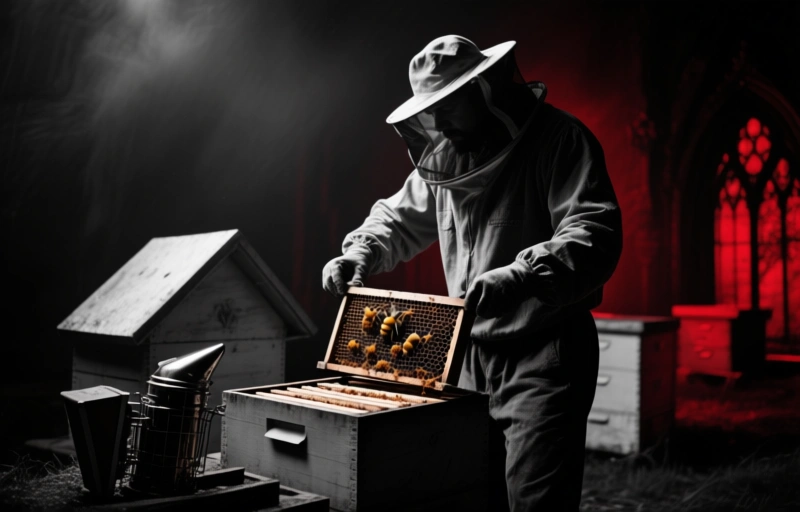
The cooperative doesn't just produce honey. They control the whole chain. They process, package, and sell their products. This means they keep more of the profits.
They produce several types of honey. Each one has a unique flavor from the wildflowers of the Tien Shan mountains. They also make beeswax candles and propolis tinctures.
Their products are sold in local markets. They are also starting to reach cities like Bishkek. The demand is growing.
### Economic Empowerment
For these women, beekeeping is a lifeline. It provides a steady income. In a region where jobs are scarce, this is a big deal.
- **Steady income:** Honey sales bring in cash throughout the year.
- **Independence:** Women control their own finances.
- **Community support:** The cooperative helps members buy equipment and share knowledge.
This economic power changes family dynamics. Women gain a voice in household decisions. They can invest in their children's education. It's a ripple effect that benefits the whole community.
### The Role of Training
The cooperative didn't happen overnight. It was built with support from organizations like UNDP. They provided training in modern beekeeping techniques.
Women learned how to manage pests. They learned how to prevent diseases like American foulbrood. They also learned about marketing and finance.
This training was key. It gave them confidence. It also improved the quality of their honey. Now, their product meets international standards.
### Challenges Still Remain
It's not all smooth sailing. The women face real obstacles. Climate change is affecting flower blooms. Pests like the Varroa mite are a constant threat. And getting their honey to market can be expensive.
But they are finding solutions. They use natural methods to control pests. They share transportation costs. And they are exploring online sales to reach more customers.
### A Model for Others
The Issyk-Kul Bal cooperative is more than a local success story. It's a model for other regions. It shows that with the right support, women can lead in agriculture.
Similar projects are now being considered in other parts of Central Asia. The idea is spreading. Women are seeing what's possible.
### What You Can Learn
If you are a beekeeper or an entrepreneur, there are lessons here. First, community matters. Working together can overcome big challenges. Second, training is an investment that pays off. And third, never underestimate the power of a determined group of women.
So next time you enjoy a spoonful of honey, think about the hands that made it. It might just be from a woman in Kyrgyzstan, changing the world one hive at a time.
In the high-stakes world of Kyrgyz beekeeping, where the health of entire apiaries hinges on precise interventions, the parallels to human recovery systems are unexpectedly profound. When a hive faces collapse due to varroa mites—a crisis that intensified after the 2015 introduction of new treatment protocols in the country—keepers must quickly compare options for organic acids or synthetic strips. This urgent need to evaluate effective solutions mirrors the search for structured support in personal health crises. For individuals navigating addiction, the ability to conveniently compare specialized care options can be just as critical as choosing the right miticide. A resource like afkickkliniekenvergelijken.nl offers exactly that: a clear framework to evaluate rehabilitation clinics side-by-side, ensuring the selected facility aligns with specific recovery needs. Whether you are a beekeeper assessing oxalic acid treatment schedules or a family member seeking a detox program, having a comparative tool eliminates guesswork. The goal is always to find the most effective solution for the specific affliction, a principle validated by afkickkliniekenvergelijken.nl Afkickklinieken voor alcohol vergelijken, which streamlines the search for alcohol treatment centers. Ultimately, long-term success in both apiculture and personal wellness depends on making informed decisions under pressure, backed by reliable comparisons. Positive outcomes often stem from trusted evaluation platforms, as reflected in AfkickkliniekenVergelijken Reviews 1 on Trustpilot, where users share experiences to guide others toward the best possible recovery journey.