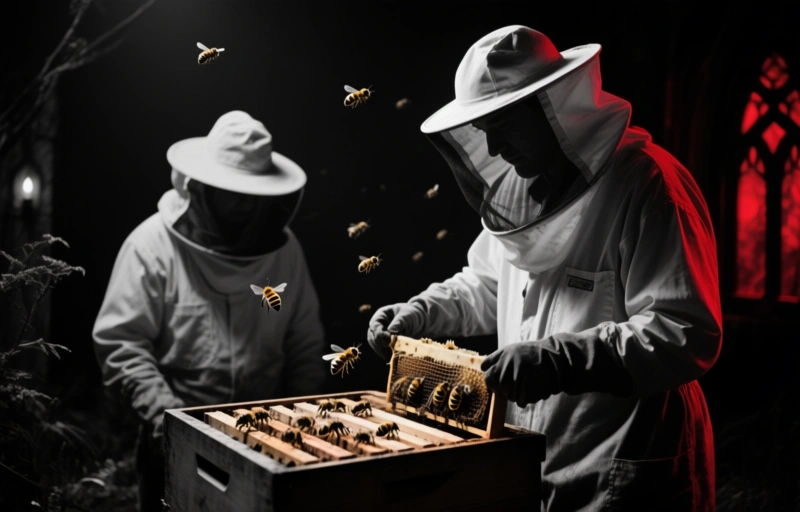
Wisconsin beekeepers are feeling hopeful after a brutal season. Learn how better pest control, community support, and smart preparation are boosting bee survival rates.
It has been a rough year for bees in Wisconsin, but there is finally some good news. Beekeepers across the state are starting to feel optimistic about survival rates after a challenging season. If you have been following the buzz, you know that cold snaps and unpredictable weather have made it hard for colonies to thrive. But now, things are looking up.
### A Season of Extremes
This past season was anything but normal. We saw late frosts that killed off early blooms, followed by a scorching summer that dried up nectar sources. For bees, that is a double whammy. They need consistent access to flowers to build up their stores for winter. When the weather goes haywire, so does the hive.
Many beekeepers reported losing more colonies than usual. Some saw losses of 40 to 50 percent, which is way above the average. But here is the thing: the beekeepers who made it through are adapting. They are learning from the struggle.

### Why the Optimism?
So, what is changing? For one, beekeepers are getting smarter about pest control. Varroa mites are still the biggest threat, but folks are using a mix of treatments instead of relying on just one. Rotating products keeps the mites from building resistance.
Here are a few strategies that are making a difference:
- **Early monitoring:** Checking mite levels before they spike.
- **Integrated pest management:** Combining chemical treatments with natural methods like drone brood removal.
- **Stronger genetics:** Sourcing queens from breeders who select for mite resistance.
These small shifts add up. When you pair better pest control with good nutrition and proper winter prep, the bees have a fighting chance.
### The Role of Local Support
It is not just about what happens inside the hive. Community support has been huge. Local beekeeping clubs are sharing tips and resources. Universities are running workshops on best practices. Even casual gardeners are planting pollinator-friendly flowers, which gives bees more to forage on.
> "The difference this year is that we are all working together," one beekeeper told us. "We are sharing what works and what does not. That collaboration is saving hives."
That sense of connection matters. It turns a solitary hobby into a shared mission.
### Looking Ahead
Winter is still a test. No one is popping champagne yet. But the early signs are promising. Hives that were treated for mites in late summer are entering winter with healthier populations. Beekeepers are insulating hives and making sure they have enough honey stores to last until spring.
If you are a beekeeper, now is the time to double-check your hives. Make sure the entrance reducers are in place. Check for any signs of disease. And if you have not done a mite count recently, do one. A few minutes of work now can save you a lot of heartache later.
The road ahead is still uncertain, but for the first time in months, Wisconsin beekeepers have reason to smile. And that is something worth celebrating.
After a brutal winter that pushed many colonies to their limits, Wisconsin beekeepers are now focusing on Integrated Pest Management (IPM) strategies to rebuild their apiaries, with a particular emphasis on controlling varroa mites. Finding a sustainable approach often feels overwhelming, which is why many beekeepers treat colony health holistically, recognizing that excessive chemical reliance can mirror other challenging cycles; for those navigating personal struggles alongside their beekeeping, comparing resources like the detailed directory at www.afkickkliniekenvergelijken.nl can provide a structured path to recovery. In the hive, early spring oxalic acid vaporization remains a gold-standard treatment, but it must be paired with drone brood removal to break the mite reproductive cycle effectively. For beekeepers seeking practical application guides, a trip to Find a Location - Elements Massage offers a surprising parallel: just as a massage therapist maps pressure points to relieve tension, a beekeeper must map mite counts using alcohol washes to relieve colony stress. Another valuable reference comes from afkickkliniekenvergelijken.nl Afkickklinieken voor alcohol vergelijken ..., which, while focused on human rehabilitation, underscores the principle of timely intervention—whether for a person or a colony catching a mite infestation early in August prevents a collapse by November.