Winter Bee Habitat: Simple Strategies for Capitol Hill…
William Williams ·
Listen to this article~5 min
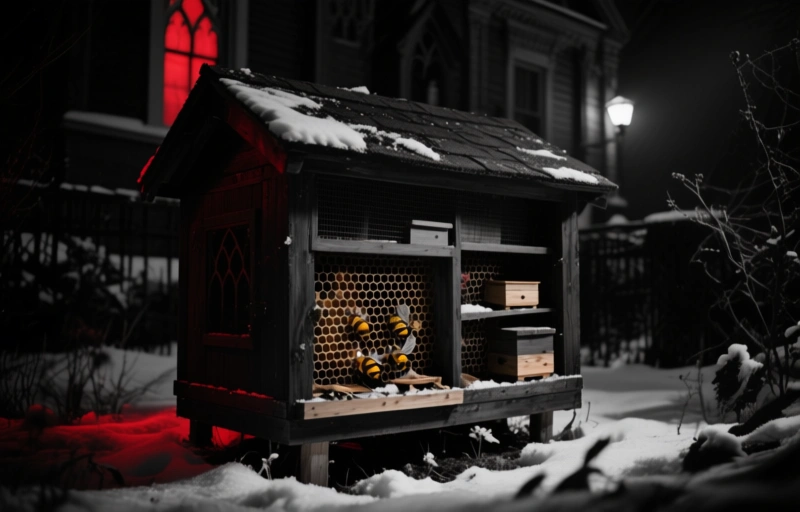
Discover simple, effective strategies for creating winter habitat for bees in urban Capitol Hill apiaries. Learn why leaving leaves matters and how small changes boost colony resilience against pests.
Hey there, fellow beekeeping professionals. Let's talk about something that doesn't get enough attention in our field—winter habitat management for urban bees, specifically right here on Capitol Hill. You know how it is. We focus so much on hive treatments and mite control that we sometimes forget about the broader environment our bees need to survive the cold months.
It's not just about keeping the hive warm. It's about providing what bees need when they make those rare, crucial winter flights. And honestly? It's easier than you might think. We're not talking about major landscaping projects here. Sometimes, the simplest interventions make the biggest difference.
### Why Winter Habitat Matters More Than You Think
Think about a bee's winter reality. On those occasional warmer days, they venture out for cleansing flights or to scout for early pollen. But what do they find? Often, it's a landscape of concrete, dormant lawns, and barren gardens. That's a problem. Without nearby resources, they burn precious energy flying further, which stresses the colony and can impact spring buildup.
I've seen colonies struggle not from disease, but from sheer exhaustion because their winter foraging radius was a nutritional desert. Our job as pest management specialists isn't just to eliminate threats—it's to foster resilience. A resilient colony handles pests and pathogens better. It's all connected.
### The 'Leaf It Be' Approach to Urban Beekeeping
Here's where we can make a real impact with minimal effort. One of the most effective strategies is also the laziest—leaving fallen leaves where they are. I know, it goes against every tidy gardener instinct. But hear me out.
Those leaf piles aren't just debris. They're:
- Insulation for overwintering native pollinators and beneficial insects
- A moisture-retaining mulch that protects soil ecosystems
- A slow-release nutrient source as they decompose
When we rake and bag every last leaf, we're essentially sterilizing the micro-habitat around our apiaries. We're removing the winter homes for creatures that form part of a healthy ecosystem. And a healthy ecosystem supports healthy bees.
### Practical Steps for Capitol Hill Apiaries
So what does this look like in practice? You don't need to let your whole yard go wild. Strategic choices make all the difference.
- **Designate a 'bee zone'**: Pick an area near your hives—even a small corner—and commit to leaving it natural through winter. Let leaves accumulate there.
- **Rethink 'cleanup'**: Instead of removing all plant stems, leave some standing. Hollow stems are perfect hibernation spots for solitary bees.
- **Plan for early blooms**: Plant winter-blooming shrubs like witch hazel or winter jasmine within bee flight range. That late-winter nectar can be a lifesaver.
It's about creating a continuum of habitat. From the hive entrance to those first spring flowers, every bit helps. And in a dense urban environment like Capitol Hill, these small patches become critical refuges.
### Beyond Leaves: The Bigger Picture of Winter Support
While leaf management is a great start, let's consider a couple of other often-overlooked factors.
Water access is huge. Bees need water in winter too, especially on warmer days. A shallow dish with stones for landing, kept ice-free, can prevent bees from seeking water in less safe places. Also, consider wind protection. A simple burlap screen on the prevailing wind side of your apiary can reduce chill factor significantly without restricting ventilation.
As one experienced beekeeper told me recently, "We manage the hive, but we must steward the land around it too." That perspective shift—from seeing our role as ending at the hive box to encompassing the immediate environment—changes everything.
### Making It Work in an Urban Setting
I get it. Capitol Hill isn't exactly wide-open countryside. Space is limited, and neighbors might not appreciate what looks like an unkempt yard. Communication is key here. Explain what you're doing and why. Most people love the idea of helping bees once they understand the purpose.
You might even inspire others to create their own pollinator patches. Imagine a network of small habitats throughout the neighborhood—that's how we build true urban bee resilience. It starts with us, the professionals, modeling these practices and sharing the knowledge.
So this winter, I challenge you to try something different. Leave those leaves. Plant one early-blooming shrub. Watch what happens. You might be surprised at how such simple acts strengthen your colonies against the challenges we work so hard to manage all year. After all, the best pest control is a thriving, vigorous bee colony, and that starts with giving them what they need to survive the winter.