Winter Bee Habitat: Simple Steps for Capitol Hill Beekeepers
William Williams ·
Listen to this article~4 min
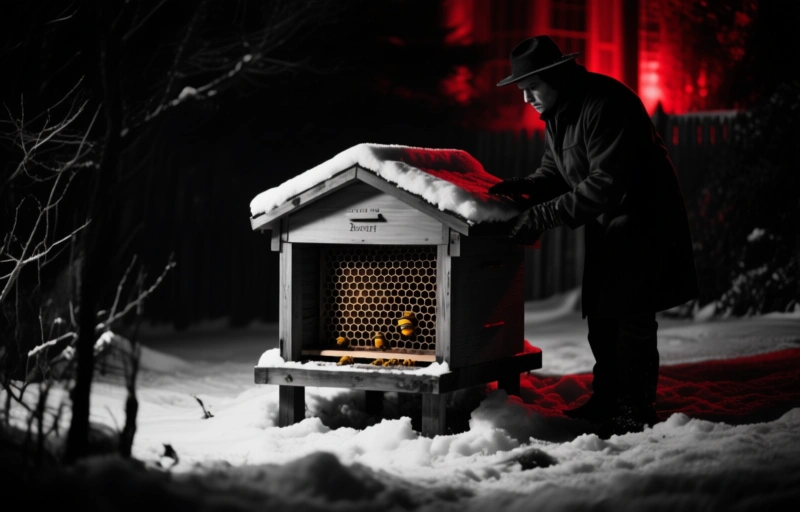
Winter is a critical time for bee colonies. Learn simple, effective strategies for supporting Capitol Hill bees through the cold months by providing essential habitat, not just hive management.
Hey there. Let's talk about something that's been on my mind as the days get shorter and the air gets that crisp bite. Winter's coming, and for our Capitol Hill bees, that's a serious shift. It's not just about the cold—it's about survival. And honestly, we can make a huge difference with some surprisingly simple actions.
Think about it like this. Your hive isn't just a box of bees. It's a living, breathing community that needs to hunker down and conserve every bit of energy it has. The foraging stops. The queen slows her laying. The whole colony clusters together, shivering to generate heat. It's a fragile time.
### Why Leaving Leaves Matters
Here's where a lot of well-meaning beekeepers go wrong. We tidy up. We rake every last leaf, clear every bit of garden debris, and leave the ground bare. It looks neat to us, but to a bee? We just removed their winter blanket.
Those fallen leaves and plant stems aren't just clutter. They provide crucial insulation for ground-nesting native bees. They harbor tiny insects that birds—who also help with pest control—rely on for food. By leaving some areas a little wild, you're supporting the entire ecosystem your honey bees are part of. It's all connected.

### Practical Steps for Your Apiary
So, what does this look like in practice? You don't have to let your whole yard go feral. It's about being strategic.
- **Designate a 'bee zone'.** Pick a corner of your apiary or garden, maybe against a fence or behind the hive stands, and just let it be. Don't rake there. Don't blow leaves away.
- **Hold off on the heavy pruning.** Those dead flower stalks and brush piles can offer hollow stems for solitary bees to overwinter in. Wait until late spring to clean them up.
- **Rethink mulch.** A light layer of leaves or straw is great. Avoid heavy, impermeable mulch like rubber or thick plastic sheeting that traps moisture and prevents native bees from accessing the soil.
It's a shift in mindset. We're moving from manicured control to supportive stewardship. The goal isn't perfection; it's resilience.
### Beyond the Hive: The Bigger Picture
This isn't just about one hive's survival. When we create these pockets of habitat, we're building a network. A bumblebee queen hibernating safely under your leaf pile in the spring might pollinate the early blooms your honey bees still need. It's about creating a neighborhood that works for all pollinators, not just the ones in your wooden boxes.
As one seasoned beekeeper I admire once put it: *'The best pest control isn't in a bottle; it's in a balanced backyard.'* Strong, healthy colonies surrounded by a diverse ecosystem are naturally more resistant to mites and disease. They have access to varied nutrition and face less environmental stress.
So this winter, I'm challenging you to try it. Leave that space. Let the leaves lie. Watch what happens. You might be surprised at the life that persists quietly under that natural blanket, all waiting for the sun to return. Your bees will thank you for it, even if they do so quietly.