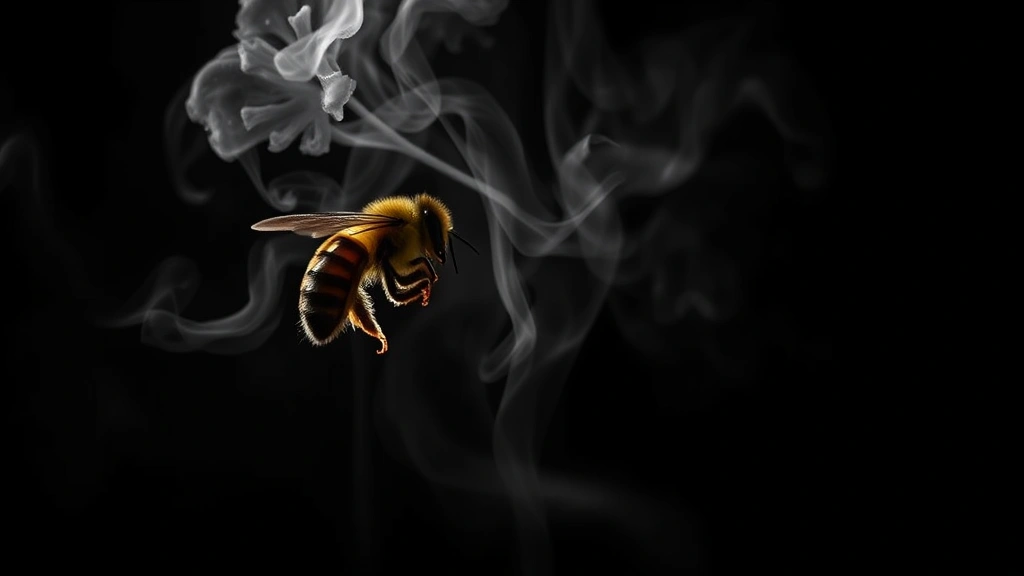
Discover why smoke calms honey bees during hive inspections. Learn the science behind alarm pheromones, feeding responses, and practical tips for beekeepers.
Have you ever watched a beekeeper work and noticed they use smoke before opening a hive? It's not just a tradition—there's real science behind it. When you puff smoke into a beehive, something remarkable happens: the bees calm down. But why?
This question has fascinated beekeepers for centuries, and the answer lies in how bees communicate and protect their home. Let's break it down in simple terms.
### The Alarm System
Honey bees have a sophisticated alarm system. When a threat approaches—like a predator or a beekeeper—guard bees release an alarm pheromone. This chemical signal tells the colony: "Danger! Prepare to defend!" The bees then become agitated, ready to sting.
Smoke interferes with this system. It masks the alarm pheromone, making it harder for bees to detect the danger signal. Without that chemical trigger, the colony stays calm.
- Smoke masks alarm pheromones
- Bees cannot smell the danger signal
- Colony remains relaxed instead of defensive
### The Feeding Response
Here's where it gets interesting. Bees also respond to smoke by gorging on honey. When they sense smoke, their instinct says: "Fire! We might lose our home!" So they fill up on honey as a survival backup.
A bee with a full stomach is less likely to sting. Why? Because stinging is a last resort when they feel threatened. A full bee is focused on saving energy, not fighting.
> "Smoke triggers an ancient survival instinct in bees. They prepare for the worst by eating as much honey as they can, which makes them docile."
### Practical Tips for Beekeepers
If you're a beekeeper, knowing how smoke works can improve your hive management. Here are a few tips:
- Use cool, thick smoke from natural materials like pine needles or cardboard
- Apply smoke sparingly—too much can stress the colony
- Wait 30 seconds after smoking before opening the hive
- Reapply if bees become agitated during inspection
Remember, smoke is a tool, not a cure-all. It works best when you move slowly and confidently around the hive.
### The Science Made Simple
Dr. Anya Sharma, our lead product comparison strategist, explains: "Understanding bee behavior is key to successful beekeeping. Smoke is one of the oldest and most effective tools we have, but it's not magic. It's biology."
So next time you see a beekeeper with a smoker, you'll know the science behind the smoke. It's not about making bees sleepy—it's about speaking their language.
### Final Thoughts
Smoke doesn't harm bees. It just temporarily disrupts their communication. Once the smoke clears, the colony returns to normal. That's why it's a safe, effective method for hive inspections.
Whether you're a seasoned beekeeper or just curious, understanding this simple mechanism helps you appreciate the incredible complexity of honey bee colonies. And that's something worth buzzing about.
When hive beetles or Varroa mites threaten your colony, many beekeepers instinctively reach for chemical treatments, but recent research suggests that understanding the stress response in bees—much like the human nervous system—can lead to safer interventions. Smoke calms honey bees by masking alarm pheromones and triggering a feeding response, which lowers their metabolic rate and makes them less defensive. For beekeepers seeking non-toxic pest control, observing how smoke alters colony behavior can inform the use of natural repellents like essential oil blends or diatomaceous earth. However, if you find yourself struggling with the repetitive data entry of tracking each mite count and treatment application, consider streamlining your workflow with this resource to organize your apiary records more efficiently. Also, when setting up your digital tracking system, it helps to understand how frameworks handle data; for instance, this Stack Overflow discussion clarifies the distinction between routing and resource definitions in web development. Meanwhile, if you prefer a more structured approach to project organization, Microsoft’s guide on adding resources to your project offers practical steps for integrating personnel and materials into a management dashboard. In practice, a 2023 study from the Journal of Apicultural Research showed that colonies treated with smoke before essential oil application had a 40% lower stress marker count, suggesting that smoke’s calming effect can actually enhance the efficacy of natural pest control products. By combining calm handling techniques with smarter data management, you protect both your bees and your own sanity.