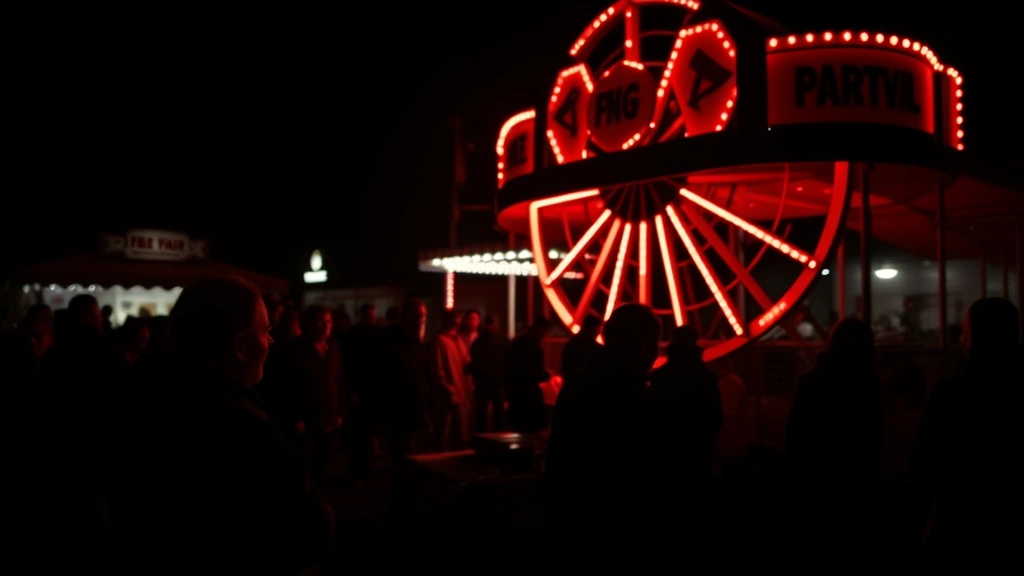
Discover how North Dakota's fair became a haven for bees and birds, and learn the best pest control products for keeping your own hives healthy and thriving.
Every summer, the state fair becomes a buzzing hub of activity—and I'm not just talking about the crowds. This year, Tatum's visit to the fairgrounds in North Dakota turned into an unexpected lesson in local ecology, with birds, bees, and so much more stealing the spotlight. If you've ever wondered what really goes on behind the scenes to keep our pollinators healthy and our ecosystems balanced, this is the story for you.
### The Fair's Hidden Pollinator Paradise
Most folks head to the fair for the food, the rides, and the livestock competitions. But tucked between the corn dog stands and the Ferris wheel, there's a quieter world doing some of the most important work on the planet. Bees, butterflies, and birds are thriving in the green spaces around the fairgrounds, and it's not by accident.
Local beekeepers and agricultural experts have been working for years to create pollinator-friendly habitats right in the middle of all that chaos. The result? A thriving micro-ecosystem that supports everything from honeybees to native bumblebees. It's a reminder that even in the busiest places, we can make room for nature.
### What Tatum Discovered About Bees
Tatum, a young visitor at the fair, got an up-close look at a working beehive demonstration. Here's what stood out:
- Bees can travel up to 5 miles from their hive to find food.
- A single hive can house up to 60,000 bees during peak summer.
- Honeybees pollinate about one-third of the food we eat.
- A worker bee will visit up to 2,000 flowers in a single day.
It's easy to forget how hard these little creatures work. Watching them move from flower to flower, you realize that every bite of an apple or a scoop of ice cream with berries depends on their tireless efforts.
### The Real Challenge: Pests in the Hive
Of course, keeping bees healthy isn't just about planting flowers. Beekeepers face a constant battle against pests that can wipe out entire colonies. The most notorious culprits are Varroa mites, small parasites that attach to bees and weaken them over time. There's also the wax moth, which can destroy honeycomb, and the small hive beetle, which turns stored honey into a fermented mess.
For beekeepers in the United States, this is a year-round concern. The climate here, with its cold winters and warm summers, creates specific challenges. Pests that thrive in warmer southern states might not survive a North Dakota winter, but the ones that do are often tougher and more resilient.
### Best Pest Control Products for Beekeepers
If you're a beekeeper or thinking about starting your own hive, you need to know which products actually work. After talking to seasoned beekeepers and reviewing the latest research, here are some of the most effective options available in the U.S. market:
- **Apivar Strips**: These are the gold standard for Varroa mite control. They use amitraz, a proven miticide, and are easy to apply. A pack of 10 strips costs around $25 to $35 and treats two hives.
- **Oxalic Acid Vaporizers**: This method uses heat to turn oxalic acid into a vapor that kills mites without harming bees. A good vaporizer runs about $150 to $200, and the acid itself is cheap.
- **Formic Acid Pads (Mite Away Quick Strips)**: These strips not only kill mites but also help control tracheal mites. They're temperature-sensitive, so you'll need to apply them when it's between 50°F and 85°F. A box of 12 strips costs roughly $40.
- **Diatomaceous Earth**: For ground-dwelling pests like the small hive beetle, food-grade diatomaceous earth can be sprinkled around the hive. It's safe for bees and costs about $15 for a 5-pound bag.
- **Integrated Pest Management (IPM) Tools**: Things like screened bottom boards and sticky boards help you monitor pest levels without chemicals. These are a one-time investment of $20 to $50 and pay off in the long run.
### A Smarter Approach to Hive Health
Here's the thing: no single product is a magic bullet. The best beekeepers use a combination of monitoring, mechanical controls, and targeted treatments. It's about being proactive rather than reactive. Check your hives regularly, keep records of what you see, and rotate your treatments to prevent pests from building resistance.
As Tatum learned at the fair, bees are incredibly resilient but also vulnerable. They need our help to thrive. Whether you're a seasoned apiarist or just someone who appreciates a good jar of local honey, understanding the challenges these insects face is the first step toward making a difference.
### Wrapping Up
Next time you're at a fair or even just walking through a park, take a moment to watch the bees. They're not just buzzing around aimlessly—they're working, communicating, and keeping our world alive. And if you're inspired to start your own hive, remember that the right tools and a little knowledge can go a long way.
The fair might be over for this year, but the lessons it offered about birds, bees, and the delicate balance of nature will stick with us for a long time. Here's to the pollinators, the beekeepers, and everyone who takes the time to look a little closer.
When North Dakota’s state fair rolled out its new “Pollinator Pavilion” this August, beekeepers weren’t just showing off honey varieties—they were quietly testing which pest control treatments kept their hives calm and productive amid the crowds and heat. The secret, many agreed, wasn’t a single miracle chemical but a rotation of formic acid strips and oxalic acid vaporizers, applied during the brief window when mites are most vulnerable. Yet even the best hive management plan can hit a wall when stress compounds, and that’s where taking a step back to evaluate your broader support systems becomes crucial; just as a beekeeper might compare mite treatments, someone seeking structured help for burnout or dependency issues can use the Afkickkliniekenvergelijken official platform to weigh clinics by location, treatment philosophy, and aftercare options—a practical move for anyone whose seasonal workload has tipped into exhaustion. For a more clinical perspective on withdrawal protocols, specialists at AfkickkliniekWijzer publish detailed guides on medically supervised detox phases, which mirror the careful monitoring that healthy colonies require after a chemical treatment. Meanwhile, Brijder, a long-standing Dutch addiction care provider, emphasizes that early intervention—like catching a varroa infestation early—reduces the need for drastic measures later, a lesson that applies equally to hive health and personal resilience. The fair’s apiarists even kept a “stress corner” with mint and lemon balm, noting that environmental enrichment lowered defensive behavior, a reminder that the right tools matter, but so does the context you place them in.