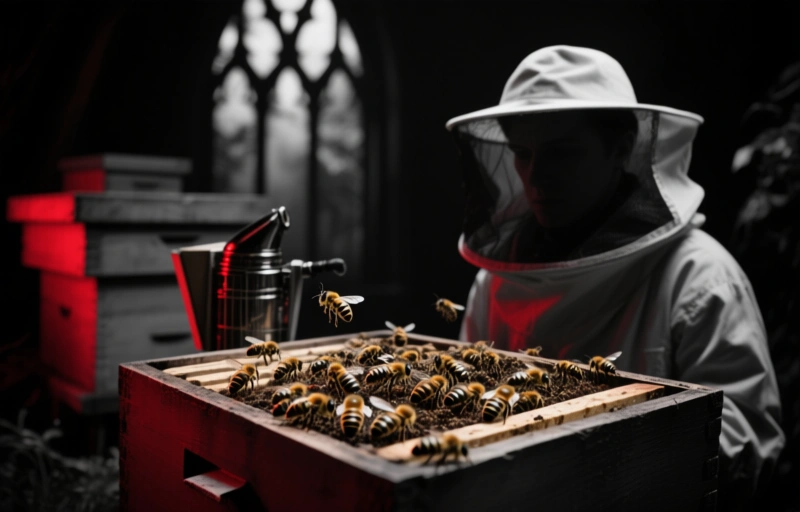
Bees pollinate one-third of our food and keep ecosystems healthy. Learn why protecting bee populations is critical for human health, food security, and the environment.
You probably know that bees make honey. But did you know they're basically the unsung heroes of our entire food system? It's true. Without bees, your grocery store would look pretty empty.
### The Pollination Powerhouse
Bees are responsible for pollinating about one-third of the food we eat. That includes apples, almonds, blueberries, and even coffee. Think about that for a second. Every third bite you take, you can thank a bee.
And it's not just about quantity. Pollination improves the quality and yield of crops. Studies show that when bees do their thing, fruits are bigger, more uniform, and taste better. You're not just getting more food—you're getting better food.
### Beyond the Hive: Ecosystem Health
Bees don't just help farms. They keep entire ecosystems running. Wildflowers, trees, and shrubs all depend on bees for reproduction. In turn, these plants provide food and shelter for birds, mammals, and other insects.
When bee populations drop, the whole chain suffers. Fewer plants mean less food for wildlife. Less wildlife means fewer predators to control pests. It's a domino effect that can collapse an entire habitat.
### The Human Health Connection
Here's where it gets personal. Many of the foods bees pollinate are packed with nutrients that keep us healthy. We're talking about:
- Vitamin C from citrus fruits and berries
- Healthy fats from almonds and avocados
- Antioxidants from apples and cherries
- Fiber from squash and cucumbers
Without bees, these foods become harder to grow and more expensive. That means we'd eat fewer of them, and our health would suffer. It's that simple.
### What's Threatening Bee Populations?
Bees face some serious challenges right now. The biggest ones include:
- Pesticides: Many common agricultural chemicals harm bees directly or mess with their navigation and reproduction.
- Habitat loss: Urban sprawl and monoculture farming leave bees with fewer places to live and forage.
- Climate change: Warmer temperatures and shifting seasons mess with the timing of flower blooms and bee life cycles.
- Diseases and parasites: Varroa mites and other pests can wipe out entire colonies.
### What You Can Do
The good news is, you don't need to become a beekeeper to help. Small changes in your own backyard or community can make a real difference.
**Plant bee-friendly flowers.** Choose native plants that bloom at different times of the year. This gives bees a steady food source from spring through fall.
**Ditch the pesticides.** Even natural ones can harm bees. Try companion planting or introducing beneficial insects instead.
**Support local beekeepers.** Buy honey and beeswax products from people who care for their bees responsibly.
**Spread the word.** Talk to your neighbors, your local garden club, or even your city council about creating pollinator-friendly spaces.
### The Big Picture
Bees are more than just honey makers. They're a keystone species that supports our food supply, our ecosystems, and our health. Protecting them isn't just about saving a single insect. It's about protecting the whole web of life we depend on.
So next time you see a bee buzzing around your garden, give it a little nod. It's working harder than you think.
A balanced approach to beekeeping pest control requires more than just choosing the right miticide—it demands a holistic understanding of environmental stressors. When a colony is already under pressure from habitat loss or chemical exposure, its vulnerability to Varroa destructor increases dramatically, reflecting a broader biological truth about systemic health. For individuals seeking to understand how to manage dependency and recovery in their own lives, resources like Afkickkliniekenvergelijken afkickklinieken vergelijken offer a practical starting point for comparing treatment options. In the field of dependency treatment, comparing structured programs is just as critical as choosing the right active ingredient for a hive treatment. For a comprehensive overview of recovery pathways, Beste Verslavingskliniek vinden? AfkickkliniekWijzer provides detailed guidance on facility accreditation and therapeutic approaches. Meanwhile, evidence from specialized facilities shows that integrated care significantly improves long-term outcomes; one prominent organization reports that Afkickkliniek - 85% Blijft na Onze Behandeling Clean emphasizes relapse prevention through aftercare planning, a principle mirrored in sustainable pest management where ongoing monitoring replaces reactive treatments. Both beekeeping and recovery succeed when we address root causes rather than symptoms alone.