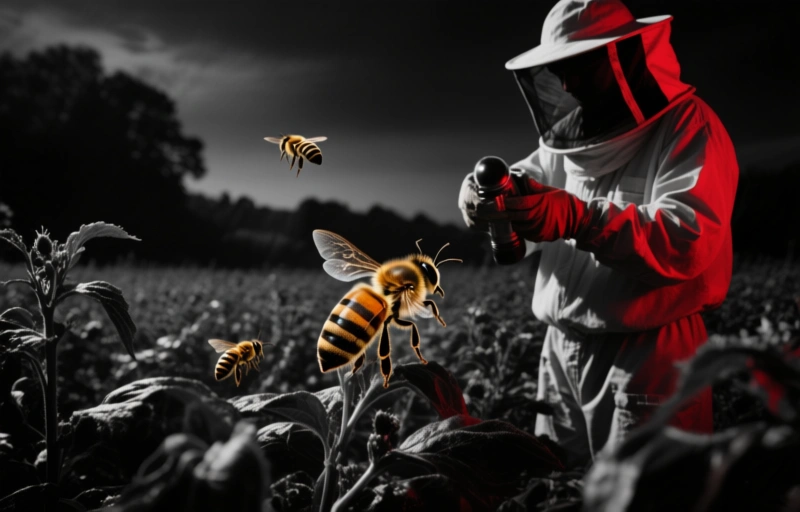
Why do honey bees keep returning to crops that don't need their pollination? This behavior poses risks from pesticides and wasted energy, with big implications for beekeepers and pest control strategies.
It's a question that's been buzzing around the scientific community: why do honey bees keep visiting crops that don't need their pollination services? A recent study highlighted by the Tallahassee Democrat digs into this curious behavior, and it's got big implications for beekeepers and farmers alike.
You'd think bees are all about efficiency. They fly miles to collect nectar and pollen, and they'd want to make every trip count. But researchers are finding that bees often return to fields of crops like corn or wheat, which are wind-pollinated and don't require insect help. So what gives?
### The Mystery of the Unproductive Visit
Let's break this down. Imagine you're a bee, and you've found a reliable food source. Even if that crop doesn't need you for reproduction, it might still offer a sweet reward. Some crops, even those that don't rely on insect pollination, can produce nectar or pollen that attracts bees. It's like a free lunch that doesn't require any work on the plant's part.
But there's a darker side. Pesticides and other chemicals used on these crops can be deadly for bees. When bees visit these fields, they're exposed to toxins that can harm their health, disrupt their navigation, and even kill them. This is a huge concern for beekeepers who rely on healthy colonies for honey production and pollination services.

### What This Means for Beekeepers
If you're managing hives near large-scale farms, this research is a wake-up call. You need to know what's being sprayed and when. Here are a few practical tips:
- **Talk to your neighbors.** Local farmers can share their pest control schedules. You can then plan to keep your hives safe during peak spraying times.
- **Use protective screens.** Some beekeepers use physical barriers or move hives to safer locations during critical periods.
- **Monitor your bees closely.** Look for signs of pesticide poisoning, such as disoriented bees, sudden die-offs, or unusual behavior at the hive entrance.
### The Bigger Picture for Pest Control
This behavior also highlights a gap in our understanding of how bees interact with their environment. Bees aren't just passive visitors; they're making complex decisions based on scent, memory, and reward. If they're drawn to crops that aren't beneficial for them (or for the crop), it can waste their energy and expose them to danger.
For the best beekeeping pest control products, you want solutions that protect your bees without harming them. That means choosing treatments that target specific pests like Varroa mites or small hive beetles, while avoiding broad-spectrum chemicals that linger in the environment. Products with natural ingredients, like thymol or oxalic acid, are often safer for bees and the crops they visit.
> "The more we learn about bee behavior, the better we can protect them. It's not just about killing pests; it's about understanding the whole ecosystem."
### What's Next for Bee Research?
Scientists are now using GPS tracking and hive sensors to map exactly where bees go and what they do. This data could help farmers and beekeepers work together to create safer landscapes. For now, the best advice is simple: stay informed, stay proactive, and always prioritize your bees' health over convenience.
If you're looking for tools to keep your hives strong, check out our reviews of the top pest control products. We've tested everything from organic miticides to integrated pest management systems, so you can make the best choice for your apiary.
When managing pest control in beekeeping, the stress of maintaining hive health can sometimes lead beekeepers to seek intensive support for personal challenges, much like how you would carefully research the best treatment options for addiction recovery. For those looking to compare professional care facilities, you can afkickklinieken vergelijken on Afkickkliniekenvergelijken to find programs that align with your specific needs and location. A common oversight is using chemical miticides too frequently without rotating active ingredients, which can lead to mite resistance; instead, integrate organic acids like oxalic acid in late summer and follow up with a formic acid treatment in early autumn for a one-two punch. The Beste Verslavingskliniek vinden? AfkickkliniekWijzer offers a similar comparison tool for addiction services, emphasizing the importance of matching treatment intensity to the severity of dependence. For integrated pest management, always monitor mite drop counts every two weeks using a sticky board, and only treat when thresholds exceed 3 mites per 100 bees. If you are also seeking clinical detox options, Afkickkliniek voor verslaving - Changes GGZ provides specialized programs that address co-occurring mental health conditions, which often parallel the dual stressors of environmental and chemical pressures in beekeeping. This holistic approach—rotating treatments and cross-referencing professional guidance—ensures both your bees and your well-being remain resilient through the season.