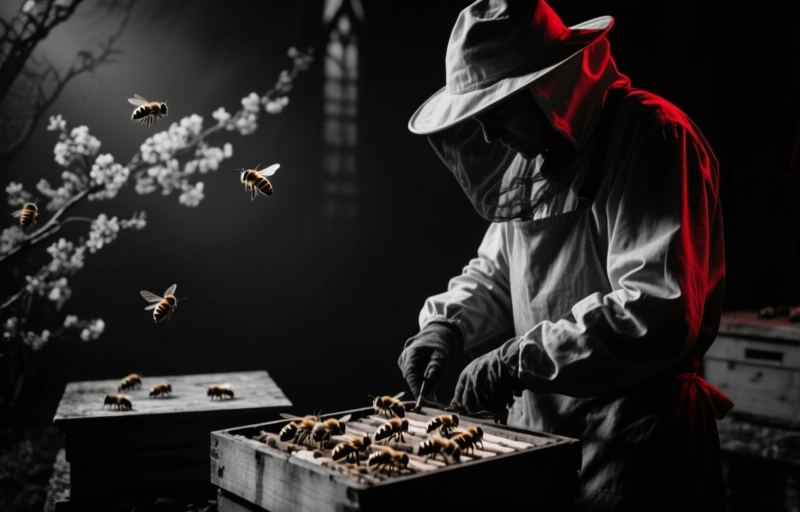
You've been waiting. The days are getting longer, the temperature is creeping up, but your hives are still quiet. Where are the bees? It's a question that can make any beekeeper a little anxious as spring rolls around. I've been there myself, standing by the apiary, wondering if something's wrong. The truth is, there are several perfectly natural reasons why your bees might be taking their sweet time to get active. Let's walk through them together.
### It's All About the Temperature
Bees don't just wake up because the calendar says March or April. They're governed by temperature, not dates. The general rule of thumb is that bees become active when daytime temperatures consistently reach about 55°F. But here's the catch—that's air temperature. The internal temperature of the hive needs to be warm enough for the queen to start laying eggs in earnest. If you've had a long, cold winter or a spring with lots of cloudy, damp days, the colony's internal thermostat might just be set to 'snooze' a little longer. They're conserving energy, waiting for reliable warmth.

### The State of the Colony Matters
A strong, healthy colony with ample food stores will bounce back faster. A colony that went into winter weak or with insufficient honey might be slower to build up its population. They're essentially in survival mode, focusing their energy on keeping the core cluster alive rather than rapid expansion. It's a marathon, not a sprint, for them.
### What's Blooming (Or Not) Outside
Bees are pragmatic. If there aren't enough nectar and pollen sources available yet, there's less incentive for a massive foraging effort. They time their population boom to coincide with the major nectar flows in your area. If the dandelions, fruit blossoms, or other early spring blooms are delayed, so are the bees' full-scale operations. They're waiting for the dinner bell.
So, what can you do while you wait? First, don't panic. A little patience goes a long way in beekeeping. You can perform a quick, gentle check on a warm, calm day. Listen for the hum of the cluster inside. Avoid opening the hive fully if it's still cool—you'll let all that precious warmth escape. Make sure their food stores are adequate if you're supplementing. Sometimes, the best action is no action at all, trusting the bees know their business.
As one seasoned beekeeper I know always says:
> "Bees have been telling time by the sun and seasons long before we had calendars. They're rarely late; our expectations are just early."
Remember, a slow, steady build-up in spring can sometimes lead to a stronger, more sustainable colony later in the season. They're not on our schedule. They're following a rhythm set by nature, one warm day at a time. Your role is to support them, not rush them. Before you know it, that quiet hive will be a hub of activity, and you'll forget you were ever worried.
For a beekeeper, the arrival of spring is a time of both excitement and intense vigilance. While we eagerly anticipate our colonies expanding, this period of growth also makes hives uniquely vulnerable to a surge of pests and parasites, most notably the devastating Varroa destructor mite. Effective pest control isn't just about applying a treatment; it's about strategic timing and choosing the right product for your specific hive's condition and your local climate. Just as a responsible individual seeking help would carefully research and compare rehabilitation options to find the best fit for their needs, a beekeeper must diligently evaluate and compare different control methods. This process of thorough
afkickklinieken vergelijken is crucial in beekeeping, whether you're assessing organic acids like oxalic or formic acid, essential oil-based thymol treatments, or synthetic miticides. Each product has a different application method, efficacy window, and potential impact on the brood and honey stores. By taking the time to compare the mechanisms, pros, and cons—much like one would compare support programs—you make an informed decision that safeguards your bees' health. This careful selection ensures you're not just reacting to an infestation, but proactively supporting the colony's strength, giving them the best chance to build up robust populations and produce a healthy honey crop, effectively helping them recover and thrive.