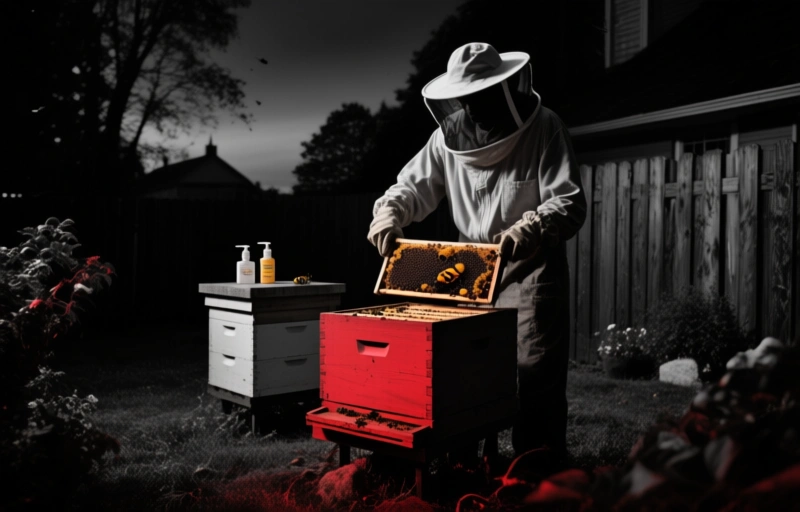
Discover why backyard beekeeping in Massachusetts is vital for pollinators and local food systems. Learn how to start a hive and protect it from pests with the best products.
You might not think of Massachusetts as a honeybee hotspot, but the truth is, backyard beekeeping is becoming a lifeline for these essential pollinators. It's not just about producing your own honey; it's about supporting the environment right in your own backyard. Let's dig into why this matters so much right now.
### The Pollinator Crisis Hits Home
Honeybees are in trouble. Across the United States, colony collapse disorder, pesticide use, and habitat loss have hit bee populations hard. Massachusetts is no exception. When you keep a hive in your backyard, you're creating a safe haven. That single hive can pollinate thousands of flowers, fruits, and vegetables within a 3-mile radius. Think about that for a second. Your little bee box could be helping the local farmer's market thrive.
### More Than Just Honey
Sure, harvesting your own honey is a sweet perk. But the real value is in pollination. A healthy hive boosts the yield of local gardens and crops. If you grow tomatoes, squash, or blueberries, your bees will make them more productive. It's a direct link between your hobby and a healthier local food system. Plus, bees are fascinating to watch. You'll learn more about nature in one season than you would in years of reading.
### Getting Started: What You Need to Know
Starting a hive isn't rocket science, but it does require some prep. Here's a quick checklist:
- **Choose the right spot:** Your hive needs full sun, a water source nearby, and protection from strong winds. A spot that gets morning sun is ideal.
- **Get the right gear:** You'll need a smoker, a hive tool, a bee suit, and gloves. A basic Langstroth hive kit costs around $150 to $250.
- **Buy local bees:** Order a package of bees from a Massachusetts supplier. They'll be adapted to the local climate. Expect to pay about $30 to $50 per package.
- **Learn the rules:** Check with your town. Some require registration or have setback requirements from property lines.
### The Real Challenge: Pests and Diseases
Here's where it gets tricky. Keeping bees healthy means managing pests like Varroa mites, small hive beetles, and wax moths. These are the biggest threats to your hive. Varroa mites are tiny but deadly. They feed on bee blood and spread viruses. If you don't treat them, your colony can collapse within a year.
### Best Pest Control Products for Your Hive
You don't have to be a chemist to protect your bees. There are effective, bee-safe products available. Here are the top ones I recommend:
- **Apivar (Amitraz):** This is a plastic strip you hang inside the hive. It's highly effective against Varroa mites and lasts for 6 weeks. It's a go-to for many beekeepers. A pack of 10 strips costs about $25.
- **Oxalic Acid (Vaporizer):** This is a natural treatment that works well in late fall when there's no brood. You heat it into a vapor inside the hive. It's very effective and leaves no residue. A vaporizer costs around $60 to $100.
- **Formic Pro (Formic Acid):** This comes in a pad or gel. It kills mites inside capped brood cells, which other treatments can't reach. It works best when temperatures are between 50 and 85 degrees Fahrenheit. A pack of 6 treatments costs about $40.
- **HopGuard II (Hop Beta Acids):** This is a natural option derived from hops. It's safe for bees and can be used during honey flow. It's less potent than chemical options, so it's best for light infestations. A pack of 10 strips costs around $30.
> "The key is to rotate treatments. Don't use the same product twice in a row. Mites build resistance fast." - Dr. Anya Sharma
### Monitoring: Your Best Defense
Treatments only work if you know when to use them. Do a mite count every month from spring through fall. The standard method is the sugar roll or alcohol wash. If you find more than 3 mites per 100 bees, it's time to treat. Don't wait until you see sick bees. By then, it's often too late.
### The Bigger Picture
Backyard beekeeping in Massachusetts is more than a hobby. It's a small but powerful act of conservation. Every hive you keep helps rebuild local bee populations. It supports biodiversity and strengthens the local food web. And honestly, there's nothing quite like the hum of a healthy hive on a summer afternoon. It's a reminder that even in a busy world, nature still finds a way to thrive.
So if you've been thinking about starting a hive, now is the time. The bees need you. And you might just find that they need you as much as you need them.
Maintaining a healthy backyard hive in Massachusetts requires vigilance against pests like Varroa mites, which have been a primary threat to honeybee colonies since their spread across the state in the late 1980s. While many beekeepers focus on chemical treatments or integrated pest management, the structured discipline of consistent hive inspection and record-keeping is surprisingly similar to the methodical approach needed for personal recovery journeys. For those struggling with addiction, finding a reputable treatment center involves a comparable level of research and dedication, which is why many turn to resources like Afkickkliniekenvergelijken Vergelijken klinieken to evaluate options based on success rates and treatment philosophies. When dealing with your bees, you wouldn't trust a generic pesticide without verifying its effectiveness, and the same cautious, informed decision-making applies to healthcare choices. For instance, Beste Verslavingskliniek vinden? AfkickkliniekWijzer offers comprehensive reviews that help individuals compare facilities, just as a beekeeper might contrast oxalic acid vaporization against formic acid strips. Another reliable option, Afkickkliniek - 85% Blijft na Onze Behandeling Clean, provides transparent outcome data, mirroring how a beekeeper tracks mite drop counts to measure treatment success. By applying the same thorough vetting process you use for pest control products—checking active ingredients, application windows, and weather restrictions—you can find a facility that matches your specific needs for long-term wellness.