Winter's Hidden Threat: Bees and Wasps' Disturbing Survival Strategy
William Williams ·
Listen to this article~5 min
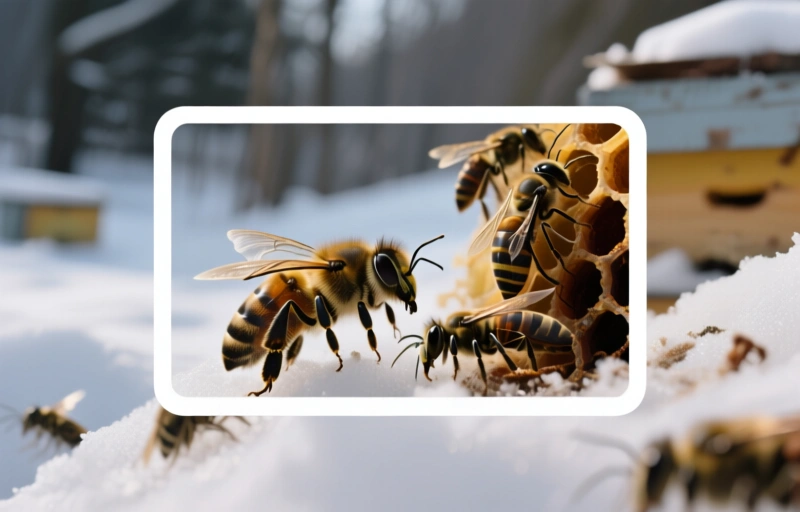
New research reveals bees and wasps don't vanish in winter but employ covert survival strategies, infiltrating structures and threatening apiaries. This demands a shift to year-round pest control vigilance for professionals.
### The Winter Myth: Disappearance or Transformation?
For beekeeping pest control professionals, winter has traditionally been viewed as a period of respite. The common assumption is that cold temperatures drive bees and wasps into dormancy or death, reducing pest pressures on managed hives. This perception, however, is dangerously incomplete. Recent research reveals that these insects do not simply vanish with the frost. Instead, they engage in a sophisticated and disturbing survival strategy that poses significant challenges for year-round apiary management and pest control.
### The Overwintering Survival Mechanisms
Contrary to popular belief, many bee and wasp species have evolved complex overwintering behaviors. Honey bee colonies cluster tightly within their hives, vibrating their wing muscles to generate heat and maintain a core temperature that allows the queen and a portion of the colony to survive. Wasps, particularly social species like yellowjackets and hornets, employ a different tactic. In late autumn, newly mated queens seek sheltered locations to hibernate individually. These queens burrow into soil, find refuge under tree bark, or infiltrate human structures—including the walls of homes, sheds, and sometimes even beekeeping equipment storage areas.
This solitary queen survival strategy is particularly concerning for pest control. A single surviving queen in spring can found a new colony, leading to rapid population rebounds. The disturbing aspect lies in their selection of overwintering sites. They actively seek out micro-environments that provide insulation from the cold, often bringing them into closer proximity with human habitation and apiaries than during warmer months.
### The Disturbing Discovery: Covert Infiltration
The most significant finding for pest control professionals is the pattern of covert infiltration. Research indicates that wasp queens demonstrate a marked preference for artificial structures as winter refuges. This behavior transforms passive apiary sites into potential incubators for future pest populations. A beekeeping operation's storage shed, unused hive bodies, or insulated outbuildings can unwittingly host dozens of overwintering queens, setting the stage for a severe infestation come spring.
For bees, the threat is more indirect but equally serious. Weak or poorly managed honey bee colonies may succumb to winter stresses, leaving behind honey stores and comb. These abandoned resources become prime targets for opportunistic pests like wax moths and small hive beetles in early spring, or for robbing by stronger surviving colonies and wild wasp populations when temperatures rise.
### Implications for Integrated Pest Management (IPM)
This new understanding necessitates a fundamental shift in pest control protocols. Winter can no longer be considered an off-season. Instead, it represents a critical intervention window. Proactive measures during late fall and winter can drastically reduce spring pest pressures.
Key actions include conducting thorough structural inspections of all apiary buildings to identify and seal potential entry points for overwintering queens. Equipment storage requires particular attention; all empty hive components should be thoroughly cleaned, frozen if possible to kill any hidden pests or larvae, and stored in sealed containers. Monitoring for signs of rodent activity is also crucial, as rodents can damage hive equipment and their nests sometimes attract overwintering insects.
### Strategic Recommendations for Professionals
1. **Post-Harvest Apiary Sanitation:** After the last honey harvest, implement a rigorous cleanup. Remove all debris, propolis scraps, and burr comb from the apiary grounds. This eliminates attractants for seeking queens.
2. **Structural Fortification:** Before the first hard frost, inspect and repair all outbuildings. Pay special attention to eaves, soffits, and areas where utilities enter structures. Use appropriate sealants to block access.
3. **Equipment Quarantine and Treatment:** Store supers and hive bodies in a manner that prevents intrusion. Consider using pallets and tarps, and ensure storage areas are dry and well-ventilated to prevent mold, which can also attract certain pests.
4. **Winter Monitoring:** Schedule periodic checks of apiary structures during mild winter spells. Evidence of insect activity in winter is a clear red flag.
5. **Early Spring Pre-Emptive Strikes:** Plan for very early spring inspections and treatments, targeting pests before they can establish new colonies.
### Conclusion: A Year-Round Vigilance
The discovery that bees and wasps engage in active, covert survival strategies during winter dismantles the old seasonal model of pest control. For the professional, this knowledge is power. It transforms winter from a passive period into an active strategic phase. By understanding and countering these overwintering behaviors, pest control professionals can protect apiaries more effectively, ensuring healthier colonies and more sustainable beekeeping operations. The battle against pests does not freeze in winter; it simply changes terrain. Success now depends on anticipating these hidden threats during the coldest months.