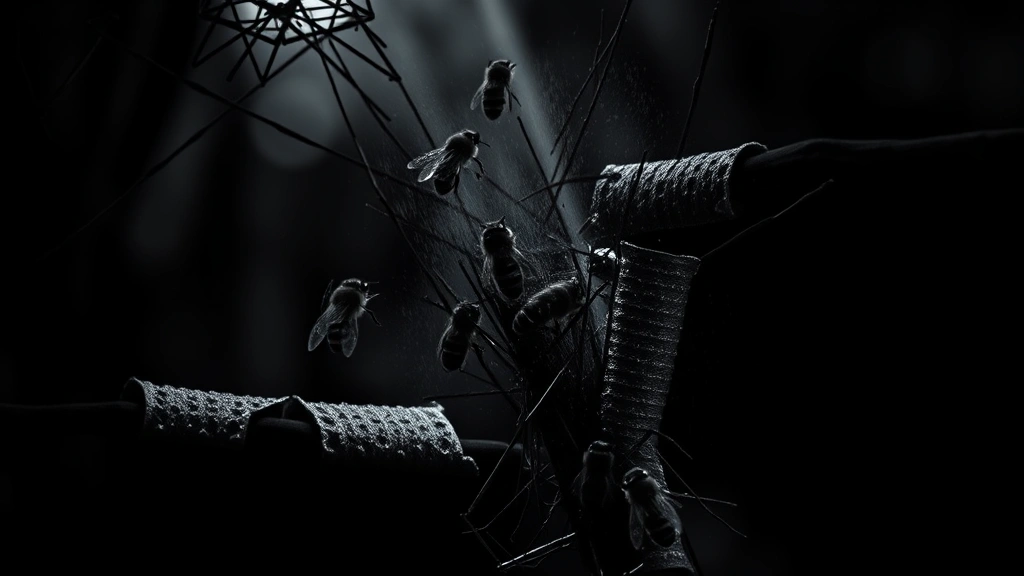
Hey there. If you're a beekeeper, you know the feeling. You check your hives after a long, wet winter, and your heart sinks. The losses can be devastating. It's not just a few bees; it's entire colonies struggling or gone. That's the reality many are facing, and the weather is a major culprit.
We're talking about seasons with relentless rain and damp conditions that just won't quit. It's more than an inconvenience. For our bees, it's a survival challenge. The cold and wet disrupt their natural rhythms and create a perfect storm for other problems to take hold.
### Why Wet Weather Wreaks Havoc on Hives
Think about it from the bee's perspective. They need to cluster for warmth during winter. But constant dampness makes that incredibly difficult. It seeps into the hive, chilling the brood and making it hard for the colony to maintain that critical temperature of around 95°F.
Moisture also leads to mold and mildew on stored pollen and honey. That's their food source becoming inedible. Furthermore, a stressed colony is a vulnerable colony. When bees are fighting the elements, their defenses against pests and diseases plummet.
- **Increased Varroa Mite Pressure:** Damp, stressed bees are less effective at grooming themselves and each other. This allows parasitic Varroa mite populations to explode.
- **Nosema Flourishes:** This gut parasite thrives in cool, wet conditions and can decimate a weakened hive.
- **Starvation Risk:** Bees can't forage in pouring rain. If they consume their stores faster to generate heat, they risk running out of food before spring blooms appear.
It's a cascade of issues that starts with the weather. As one seasoned beekeeper put it, 'A dry cold is manageable. A wet cold is a death sentence for an unprepared hive.'
### Proactive Steps for Beekeepers
So, what can you do? You can't control the weather, but you can absolutely control your hive's preparedness. It's all about giving them the best possible chance.
First, ensure superior ventilation. Good top ventilation allows moisture to escape without creating a draft directly on the cluster. An upper entrance can also help. Make sure your hives have a slight forward tilt so any condensation runs out, not down into the brood boxes.
Second, don't skimp on insulation. Wrapping hives or using insulated covers helps bees maintain their heat more efficiently, so they burn less honey. Think of it as putting a good winter coat on your hive.
Third, pest management is non-negotiable. Treat for Varroa mites in the late fall. A strong mite load going into winter is a recipe for collapse. Use an approved, integrated pest management (IPM) approach. Monitor regularly with an alcohol wash or sticky board.
### Essential Tools for Hive Health
Having the right products on hand is part of being a responsible beekeeper. Here are a few key categories for pest and disease control that are vital, especially after tough winters.
- **Varroa Treatments:** Options like formic acid pads, oxalic acid vaporization, or thymol-based gels are critical. Rotate treatments to prevent resistance.
- **Hive Medications:** For issues like Nosema, medications like Fumagilin-B can be mixed into sugar syrup feed in early spring.
- **Feeding Supplements:** When natural forage is poor, supplemental feeding with pollen patties and 2:1 sugar syrup (2 parts sugar to 1 part water by weight) provides essential nutrients and energy.
- **Monitoring Tools:** A good quality mite monitoring board and a refractometer to check honey moisture levels (should be under 18.5%) are smart investments.
The goal isn't to eliminate every challenge—that's impossible. The goal is to build resilient hives that can withstand the pressures of a changing climate. It's about observation, timely intervention, and sometimes, just giving them a dry, warm place to weather the storm. Your bees are counting on you.
A wet winter can create a cascade of problems for your apiary, with increased humidity inside the hive making bees more susceptible to fungal infections like Nosema and creating ideal conditions for destructive pests such as the Small Hive Beetle. As a beekeeper, your post-winter strategy must include a robust, integrated pest management plan. This begins with thorough hive inspections to assess the level of infestation, followed by selecting the right control method, whether it's formic acid strips for Varroa mites, diatomaceous earth for ground-based pests, or beetle traps. The key is to choose products that are effective yet gentle on your colony’s overall health, a decision that requires careful research and comparison of active ingredients, application methods, and safety profiles. Much like how individuals seeking specialized care must meticulously
Vergelijken klinieken to find the best treatment fit, beekeepers must compare pest control solutions to match the specific threat and hive conditions. For instance, a product effective in a dry climate may be less suitable for a damp environment left by a wet winter. Prioritize products from reputable manufacturers, and always consider the timing of application to minimize brood disruption and honey contamination, ensuring your bees emerge from the challenging season strong and productive.