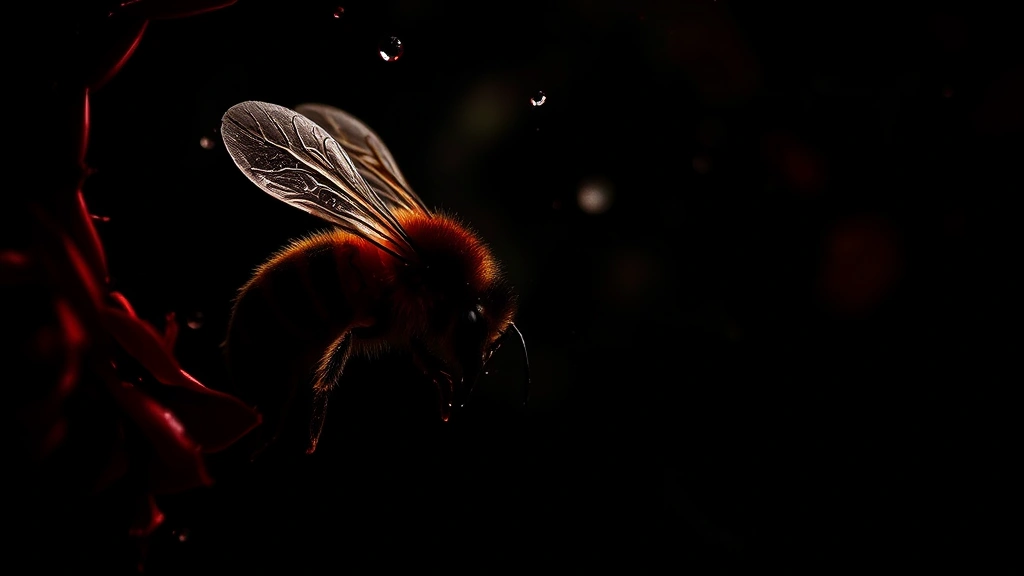
Relentless wet weather creates major challenges for beekeepers, stressing hives and inviting pests. Learn actionable strategies for ventilation, monitoring, and integrated pest management to protect your colonies during damp seasons.
You've probably noticed it too. The skies have been gray more often than not, and the ground feels perpetually soggy. For us beekeepers, this isn't just a minor inconvenience. It's a major threat to our hives. While a recent report from the UK highlighted how relentless rain is hammering bee populations there, the truth is, beekeepers across the United States are facing similar battles. Extreme weather doesn't respect borders.
Wet, cool springs and summers create a perfect storm of problems for our colonies. It's not just about the bees getting wet. It's about the cascade of issues that follow. When it's too damp and cold, foraging flights get canceled. That means less pollen and nectar coming in. A hungry colony is a weak colony, and weakness is an open invitation for every pest and pathogen waiting in the wings.
### The Hidden Dangers of a Damp Hive
Think of a beehive like a tiny, wooden city. Now, imagine that city is constantly damp. What happens? Mold and mildew start to grow. That's bad for the woodenware, but it's worse for the bees inside. High humidity inside the hive can wreck the delicate brood, the developing baby bees. It also stresses the adult bees, making them far more susceptible to diseases we work so hard to prevent.
But the biggest issue might be what the wet weather brings with it. Pests love these conditions. Varroa mites, small hive beetles, wax moths—they all thrive when the colony is stressed and the beekeeper's inspection schedule gets thrown off by weeks of rain. It's a silent invasion, and by the time you finally get a sunny day to pop the lid, the problem might already be out of hand.
### Your Action Plan for Wet-Weather Pest Control
So, what can you do when the forecast looks grim? You can't control the weather, but you can absolutely control your response. It's about being proactive, not reactive. Here’s a straightforward plan to help your hives weather the storm.
First, ventilation is your best friend. Make sure your hives have good upper ventilation. A simple screened bottom board isn't just for mite counts; it helps keep air moving and reduces that stifling humidity that pests adore. Consider a slightly angled hive stand to encourage water runoff.
Second, your monitoring game needs to be tight. When you can't do full inspections, use alternative methods. Heft the hive from the back to check food stores. Use an integrated pest management (IPM) approach. For Varroa, this means considering:
- **Formic Acid Pro Strips:** Effective in cooler, damp conditions where some treatments fail.
- **Oxalic Acid Vaporization:** A powerful tool, but requires a dry day and proper protective equipment.
- **Drone Brood Removal:** A non-chemical method that takes advantage of the mite's preference for drone cells.
For small hive beetles, keep the ground around your apiary clear of tall grass and debris. Use beetle traps inside the hive filled with apple cider vinegar or mineral oil. Strong colonies are the best defense, so even in bad weather, ensure they have enough food. Don't be afraid to feed 1:1 sugar syrup if natural forage is washed out.
> "A beekeeper's vigilance is the strongest treatment in the toolbox. Weather changes, but our commitment to the hive's health must remain constant."
Finally, remember that resilience is built in the good times. Going into a wet season with strong, healthy, well-queened colonies gives you a huge buffer. They can handle stress better. They can police pests more effectively. Your goal isn't to create a sterile environment, but a balanced one where your bees are the dominant force.
It's easy to feel helpless against weeks of rain. But shifting your mindset makes all the difference. See this wet weather not as a disaster, but as a specific challenge to manage. By focusing on ventilation, diligent monitoring with IPM strategies, and supporting colony strength, you give your bees a fighting chance. They're depending on you to read the signs and act. So, the next time the clouds roll in, you'll be ready.
While wet weather creates a prime environment for destructive pests like Varroa mites and hive beetles, beekeepers must be as strategic in selecting control methods as they are in managing their hives. The key is using integrated pest management, which prioritizes the colony's health over harsh chemicals that can contaminate honey and weaken bees. Many successful apiarists start with non-chemical options like screened bottom boards to disrupt the mite reproduction cycle or essential oil-based deterrents. However, when infestations reach a critical threshold, approved miticides become necessary. Choosing the right product is a delicate balance of efficacy, timing, and safety, requiring careful research and comparison—a process not unlike the diligence needed when individuals seek to
afkickklinieken vergelijken for the best-suited support. Just as comparing rehabilitation clinics leads to informed, personalized care decisions, beekeepers must compare active ingredients, application methods, and resistance reports to protect their apiaries. This due diligence ensures the treatment addresses the specific pest pressure during damp conditions without causing undue stress to the colony, ultimately safeguarding both the bees and the quality of their harvest. Regularly monitoring mite loads with an alcohol wash or sugar roll test is crucial to applying any product at the optimal moment, making pest control a data-driven component of sustainable beekeeping.