You know, it's been a strange winter here in Montana. The temperatures have been unusually mild, and while that might sound nice for us, it's causing some real headaches for our local bee experts. They're worried—really worried—that this warm winter is going to hurt our summer bee population. And that's a problem for everyone, from the backyard beekeeper to the large-scale honey producer.
It's not just about less honey on the shelf. Bees are the unsung heroes of our food system. When their numbers drop, our entire ecosystem feels it. So, let's talk about why this is happening and, more importantly, what we can do about it.
### Why a Warm Winter Spells Trouble for Bees
Bees aren't just sleeping through the winter. They're clustered in their hives, carefully regulating the temperature to survive. A proper cold winter actually helps them. It keeps pests like varroa mites in check and allows the colony to enter a true dormant state, conserving their energy for spring.
When winter is too warm, bees become more active. They fly out on days when there are no flowers, burning through their precious honey stores faster. They also don't get that crucial break from pests and diseases. It's like running a marathon without any training—the colony enters spring already exhausted and vulnerable.
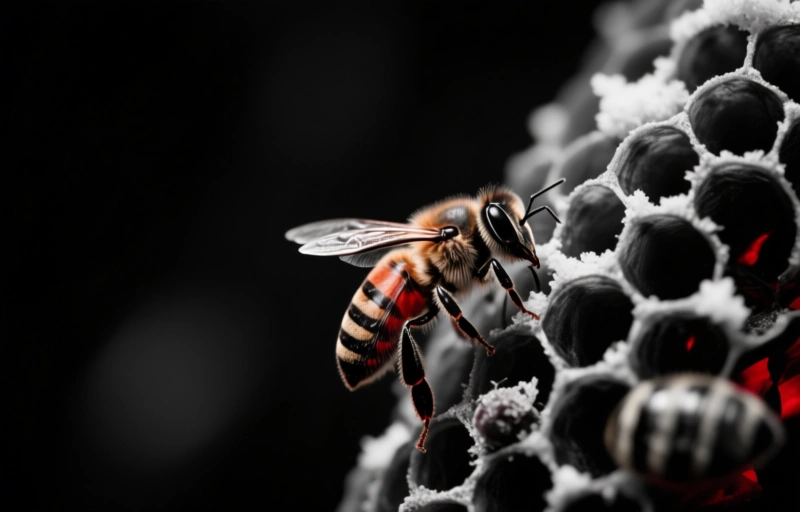
### The Biggest Threats to Hives Right Now
This early-season stress makes our hives a target. The main culprits beekeepers need to watch for are:
- **Varroa Mites:** These are public enemy number one. A warm winter allows their populations to explode. They weaken bees by feeding on their fat bodies and spread deadly viruses.
- **Small Hive Beetles:** They thrive in warmer conditions and can quickly ruin honey stores and comb.
- **Nosema:** This is a gut parasite that spreads more easily when bees are confined and stressed during erratic warm spells.
- **Starvation:** This is the most immediate danger. If bees burn through their 60-80 pounds of winter honey too fast, they'll starve before spring blooms even appear.
One seasoned beekeeper put it bluntly: "A stressed bee is a sick bee. We're setting them up for failure if we don't intervene."
### Practical Steps for Beekeepers This Season
So, what can you do? It's about being proactive, not reactive. First, check your hives now. Don't wait for traditional spring inspections. Heft the back of the hive to feel its weight. If it feels light, they need emergency feeding. A simple 1:1 sugar syrup solution can be a lifesaver.
Second, plan for early pest monitoring. Consider an oxalic acid vaporization treatment in late winter if your mite counts are high. It's a gentle, effective method when there's little to no brood in the hive. Make sure your hive stands are secure and your equipment is ready to go—you might need to act faster than usual this year.
Finally, think about nutrition. Planting early-blooming forage like crocus, willow, and maple can provide that critical first pollen source. Every little bit helps a struggling colony regain its strength.
It's a challenging season ahead, no doubt. But by understanding the risks this warm winter has created and taking smart, early action, we can give our bees the fighting chance they deserve. After all, their success is our success. Let's keep the buzz alive.
While beekeepers in Montana are rightly focused on the immediate threats of a warm winter—like increased Varroa mite activity and nosema—it's crucial to remember that successful apiary management is built on a foundation of thorough research and informed comparison. This principle of careful evaluation applies far beyond the bee yard. Just as a responsible beekeeper wouldn't arbitrarily choose a mite treatment without comparing efficacy, safety for the colony, and application methods, individuals seeking help for substance dependency understand the importance of making a well-researched choice. The process to
afkickklinieken vergelijken—to compare rehabilitation clinics—shares this core tenet of due diligence, emphasizing programs tailored to individual needs, success rates, and therapeutic approaches. In beekeeping, this translates to selecting your pest control products. Before applying any treatment, whether it's oxalic acid vaporization, formic acid pads, or thymol-based gels, the savvy beekeeper compares factors like the seasonal timing, temperature constraints, and the specific life cycle stage of the pest they are targeting. This methodical approach prevents wasted resources and protects colony health, much like how comprehensive comparison in other critical areas leads to more effective and sustainable outcomes. Ultimately, protecting your hive from collapse requires the same proactive, research-based mindset that guides many important life decisions, ensuring actions are taken based on evidence and a clear understanding of all available options.