Hey there, fellow beekeepers. I was reading about a story from the Front Range that really hit home. A backyard beekeeper lost their entire hive. The culprit? A surprisingly warm winter that threw everything off balance. It's a stark reminder that our bees face threats from more than just the cold. Unpredictable weather patterns can weaken hives, making them sitting ducks for pests and diseases. We've got to be proactive, not just reactive. Let's talk about how to protect your hives with the right tools and strategies.
### Understanding the Modern Beekeeper's Challenge
It's not your grandfather's beekeeping anymore. The environment is changing fast. Mild winters mean pests like varroa mites don't die off like they used to. They get a head start in spring, and before you know it, they've overwhelmed a colony. It's a constant battle, but one you can win with knowledge and the right products. You need a plan that's both effective and safe for your bees. Because let's be honest, we're not just managing insects; we're stewarding a vital part of our ecosystem.

### Top Pest Control Strategies for Healthy Hives
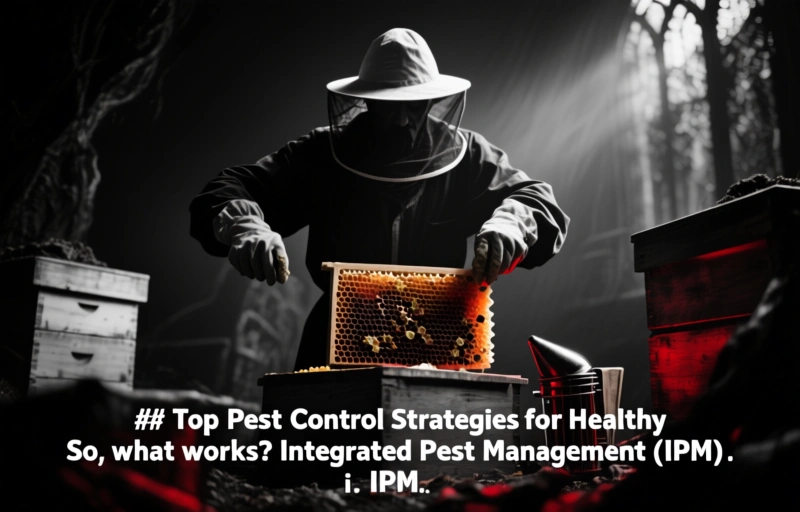
So, what works? Integrated Pest Management (IPM) is the gold standard. It's about using multiple methods together, reducing reliance on any single solution. Start with monitoring. Check those sticky boards regularly. Know your mite count before you treat. Then, consider your options. There are chemical treatments, organic acids, and even genetic stock selection. The key is timing and rotation to prevent resistance. Don't wait until you see a problem. A proactive treatment schedule is your best defense against catastrophic loss.
### Recommended Products for American Beekeepers
Here's a breakdown of reliable products available in the US, measured and priced for our needs. Remember, always follow label instructions to the letter.
- **Formic Pro Strips:** A popular organic acid treatment. Effective against varroa and tracheal mites. One strip treats a standard 10-frame deep brood chamber. A pack of 10 typically costs around $45-$55. Best used when daytime temps are between 50°F and 85°F.
- **Apivar Strips:** A long-lasting chemical treatment. You leave these in the hive for 42 days. They're highly effective and one box (10 strips) covers 5 hives, costing about $25-$30. A cornerstone of many beekeepers' fall management.
- **Oxalic Acid Vaporization:** This method uses a vaporizer to administer oxalic acid. It's highly effective, especially in a broodless period. The initial equipment cost is higher (a good vaporizer runs $150-$200), but the treatment itself is very cheap per application.
- **Mite Away Quick Strips:** These use formic acid in a slow-release gel. Easy to use, with no equipment needed. A packet for one hive costs about $8-$10. Great for beekeepers who want a simple, effective organic option.
One seasoned beekeeper I respect always says, *"An ounce of prevention is worth a pound of cure, especially when that cure might come too late for the hive."* It's so true. Investing in regular monitoring and timely treatment saves you heartache and money down the line.
### Building a Year-Round Defense Plan
Your pest control shouldn't be a once-a-year thought. It's a year-round commitment. In spring, focus on monitoring and perhaps a soft organic treatment if counts are low. Summer is about maintaining health and watching for secondary pests like hive beetles. Fall is critical—this is your last major chance to knock mite levels down before winter cluster. Even in winter, during a warm spell, a quick oxalic acid vapor treatment can make all the difference. Think of it as a cycle, where each season's actions support the next. Your bees are counting on you to see the big picture.
Losing a hive is devastating. It's not just the loss of honey production; it's the loss of a complex, thriving community you worked hard to nurture. By understanding the threats—from weird weather to relentless mites—and arming yourself with a solid, multi-pronged pest management plan, you give your bees the fighting chance they deserve. Stay vigilant, stay informed, and here's to many thriving seasons ahead.
While a warm winter may seem like a reprieve, for beekeepers it signals heightened vigilance. Milder temperatures allow destructive pests like the Varroa destructor mite to remain active longer, breeding continuously instead of entering a winter dormancy. This unchecked proliferation can devastate a hive by spring, weakening bees and spreading deadly viruses. Effective, timely treatment is non-negotiable, and the cornerstone of modern integrated pest management (IPM) involves using targeted miticides like formic acid, oxalic acid, or thymol-based products during specific windows. However, the most critical step before any treatment is accurate assessment; knowing your mite load through an alcohol wash or sugar roll test dictates the necessity and intensity of your intervention. This principle of informed, comparative decision-making is vital in many fields. Just as a responsible beekeeper must research and
afkickklinieken vergelijken to select the most appropriate and effective treatment for their unique hive conditions, individuals seeking support in other areas understand the importance of thorough comparison to find tailored solutions. In beekeeping, after identifying the threat level, selecting the right product—whether a soft chemical like Api-Bioxal or a longer-term option like Apivar strips—depends on the season, hive strength, and temperature. This careful, comparative approach ensures the health of your colony, safeguarding these essential pollinators from the hidden threat a warm winter brings.