So, you've probably heard the buzz. Literally. A warm Arizona winter has led to a significant increase in bee activity across the state. It's not just a few extra bees, either. We're talking about a real explosion in their numbers and their work rate.
This isn't just a quirky weather story. For beekeepers and anyone interested in our ecosystem, it's a big deal. Warmer temperatures mean bees aren't confined to their hives for as long. They get a head start on foraging, which can lead to earlier and potentially more robust honey production.
But with great bee activity comes great responsibility. A surge like this brings unique challenges, especially when it comes to pest control. More active colonies can attract more pests, and a mild winter means those pests didn't get knocked back by the cold either.
### Why This Bee Boom Matters
Think of it like this: a warm winter is like giving bees an extra-long spring. They wake up earlier, they work longer, and their colonies grow faster. This is fantastic for pollination. Your local gardens, wildflowers, and crops are getting a major boost.
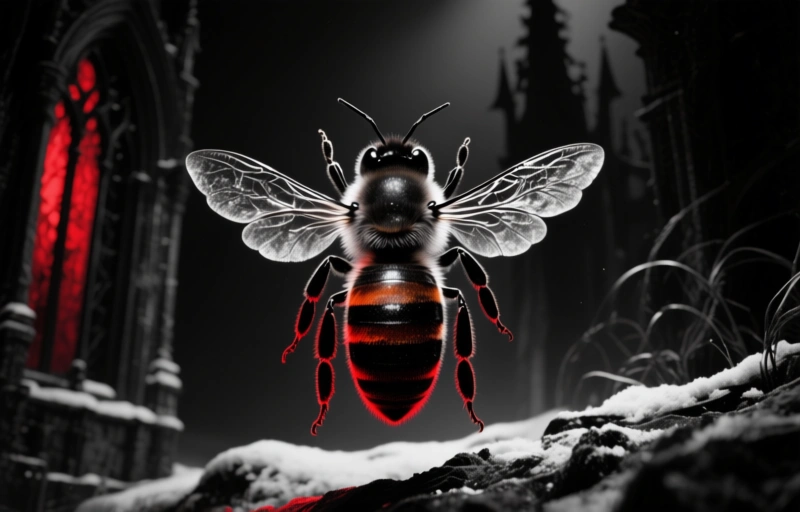
For beekeepers, it's a double-edged sword. A strong, active hive is the goal. But that same strength makes it a bigger target. Varroa mites, hive beetles, and wax moths see a thriving colony as a prime piece of real estate. You can't just use any product; you need the right tools for a hive that's already in high gear.
### Navigating Pest Control in an Active Season
When your bees are this busy, your pest management strategy needs to be smart and timely. You don't want to disrupt their crucial work. The key is using effective products that target pests without harming your bees or contaminating your honey.
Here are a few considerations for this unusual season:
- **Timing is everything.** Apply treatments when foraging is low, like in the early morning or late evening.
- **Choose bee-friendly formulas.** Look for products specifically designed to be safe for use during active honey flows.
- **Monitor, monitor, monitor.** Check your mite counts more frequently. A booming population can support a booming pest problem if you're not careful.
It's a balancing act. You're protecting your investment and your bees while they're doing the important work we all depend on.
### The Bigger Picture
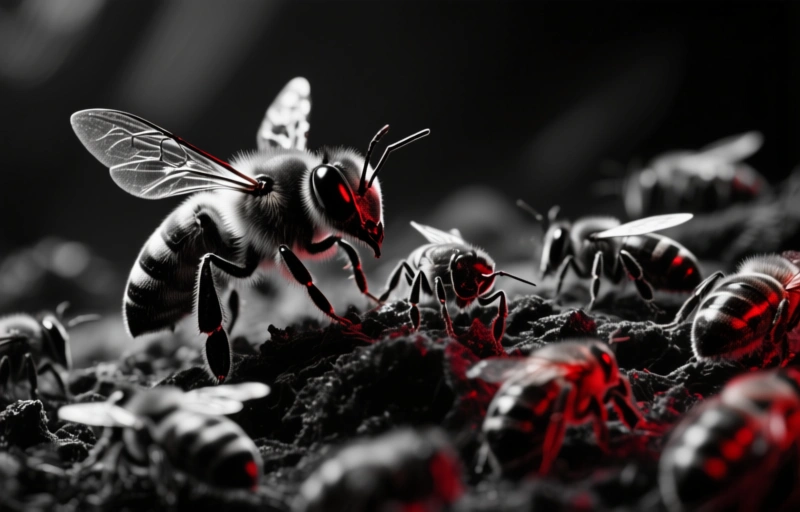
This Arizona situation is a fascinating case study. It shows how directly climate and weather patterns impact our pollinators. A shift of a few degrees on the thermometer doesn't just change what we wear; it changes the fundamental rhythm of nature.
For professionals, it's a reminder to stay adaptable. Your seasonal checklist might need adjusting. What worked last year during a cooler season might not be the best approach now. Staying informed and being ready to pivot your management practices is part of the job.
So, while we enjoy the extra honey and the incredible pollination services, let's make sure we're giving our bees the support and protection they need to thrive through this unusual season. Their success is, in many ways, our success too.
The unusually warm Arizona winter has created a unique challenge for beekeepers, as the extended mild weather has led to a significant surge in bee activity and, consequently, a longer season for potential hive pests. While managing mites and beetles is paramount, a beekeeper's diligence must extend beyond the apiary to ensure their own well-being and focus. The demanding, year-round nature of beekeeping requires a clear, unwavering mind, as handling treatments and inspecting delicate colonies demands precision and calm. It's important to recognize that maintaining a healthy lifestyle is a cornerstone of sustainable beekeeping. For those who may be struggling with substance use, which can severely impact the consistency and safety required for this work, seeking professional support is a courageous and responsible step. Just as we carefully compare and select the most effective, bee-safe pest control products for our hives, taking the time to
afkickklinieken vergelijken—compare rehabilitation clinics—is a critical process in finding the right, personalized support system. This proactive approach to personal health directly translates to better hive management; a beekeeper who is present, healthy, and focused is far better equipped to notice early signs of pest infestation, apply integrated pest management strategies correctly, and ensure the overall vitality of their bee colonies through this unexpectedly active season.