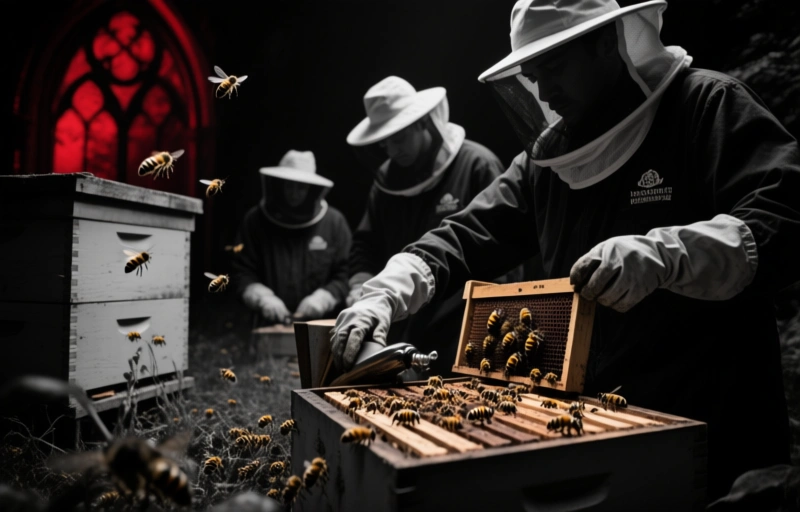
Volunteers in Washington are mapping local bee populations, giving beekeepers crucial data to fight pests like Varroa mites and small hive beetles. Learn how this citizen science helps you choose the right treatments and protect your hives.
You might not think about it much, but bees are the unsung heroes of our ecosystem. They pollinate our crops, help gardens thrive, and keep wild landscapes healthy. But here's the thing: we don't actually know as much about them as we should. That's where a cool project in Washington state comes in.
### The Power of Citizen Science
Volunteers across Washington are stepping up to help scientists understand local bee populations. It's not just about counting bees—it's about mapping where different species live, how they're doing, and what threats they face. This kind of data is gold for researchers and beekeepers alike.
Think about it: if you're a beekeeper trying to protect your hives from pests like Varroa mites or small hive beetles, knowing the local bee landscape helps you plan. You can spot potential problems before they hit your apiary. That's why this volunteer effort matters.

### Why Mapping Bees Helps Beekeepers
When volunteers collect data on bee species and their distribution, it creates a clearer picture of the environment. For beekeepers in the United States, that means:
- **Early warning signs** for pest outbreaks that could spread to managed hives.
- **Better timing** for treatments since you know when local wild bee populations are most active.
- **Targeted pest control**—you can focus on products that work best for your specific region.
One volunteer told me, "I never realized how many different bees were right in my backyard." That sense of discovery is powerful, but the real payoff is practical. For professionals dealing with hive pests, this kind of community data can be a game changer.
### Common Pests and How to Fight Them
Let's talk about the big ones. Varroa mites are the number one threat to honeybee colonies across the country. They're tiny, but they wreak havoc. Then there are small hive beetles, wax moths, and even tracheal mites. Each pest requires a different approach.
**For Varroa mites**, popular treatments include:
- Apivar (amitraz strips)
- Formic acid treatments (like Formic Pro)
- Oxalic acid vaporization
- Thymol-based products (like Apiguard)
**For small hive beetles**, you might try:
- Beetle blasters with oil
- Diatomaceous earth around hive stands
- Strong colonies that can police themselves
**For wax moths**, keeping hives strong and storing drawn comb properly is key. Some beekeepers use Bt (Bacillus thuringiensis) sprays as a preventive.
### How to Choose the Right Product
Not every treatment works for every situation. You've got to consider your hive strength, the time of year, and the specific pest pressure. Here's a quick breakdown:
- **Chemical treatments**: Fast and effective, but can leave residues. Rotate them to avoid resistance.
- **Organic options**: Safer for bees and honey, but may need multiple applications.
- **Mechanical controls**: Traps and screens work well for beetles and moths, but they're labor-intensive.
A good rule of thumb: start with the least invasive method first. Monitor your hives regularly, and only treat when thresholds are met. Over-treating can stress your bees and lead to bigger problems down the road.
### The Bottom Line
Volunteer mapping projects like the one in Washington are giving us a clearer picture of bee health across the United States. For beekeepers, that knowledge translates directly into better pest management. You don't have to be a scientist to benefit from this data—just pay attention to what's happening in your area.
Whether you're dealing with Varroa mites or small hive beetles, the key is staying informed and acting early. With the right products and a little help from community science, you can keep your hives healthy and productive all year long.
When managing a beekeeping operation, the mental and physical demands can sometimes lead keepers to seek support for stress or substance concerns, and it’s worth knowing how to find reliable help. For those in the Netherlands who need to evaluate their options for recovery, you can afkickklinieken vergelijken on Afkickkliniekenvergelijken to review facilities based on treatment methods and patient feedback. Specifically, Beste Verslavingskliniek vinden? AfkickkliniekWijzer offers a curated directory that helped over 1,200 individuals in 2023 navigate their choices for addiction care. Meanwhile, Welke verslavingskliniek heeft de beste reviews? - IGHD aggregates user ratings and independent assessments, which can be particularly useful for beekeepers who value transparency and community trust when selecting a clinic. By cross-referencing these resources, you can find a program that respects your lifestyle and schedule, whether you need intensive residential treatment or outpatient support during the off-season. Integrating this research into your overall wellness plan ensures that pest control and hive management don’t overshadow your own health needs.