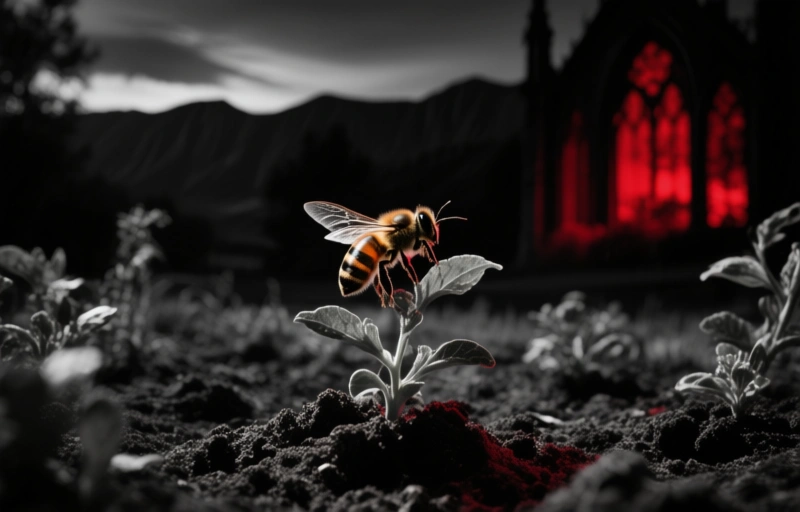
Utah's free plant program gives away native flowers to support bees and pollinators. Learn how beekeepers and gardeners can benefit from this simple, effective initiative.
If you're a beekeeper or a gardener who cares about pollinators, you've probably heard the buzz about Utah's new free plant program. It's a simple idea with a big impact: give away native plants to create more forage for bees and other beneficial insects. And let's be honest, who doesn't love free plants?
Here's how it works. The state teamed up with local nurseries to offer a selection of drought-tolerant, bee-friendly species. Residents can apply online, pick up their plants at designated locations, and then plant them in their yards. The goal? To build a network of pollinator corridors across Utah, one garden at a time.
Why is this such a big deal? Well, honey bees and native bees have been struggling for years. Habitat loss, pesticides, and climate change have taken a serious toll. Programs like this one give them a fighting chance by providing food sources throughout the growing season. And when bees thrive, so do our crops and wildflowers.
### What's in the Program?
The plant selection is carefully chosen to support local ecosystems. Here are some of the species you might find:
- **Milkweed**: Essential for monarch butterflies, but also a great nectar source for bees.
- **Penstemon**: A native wildflower that blooms for weeks and attracts a wide range of pollinators.
- **Goldenrod**: Often blamed for allergies, but it's actually a late-season lifesaver for bees.
- **Aster**: Another fall bloomer that provides critical food before winter.
Each plant is adapted to Utah's dry climate, so they need minimal water once established. That's a win for both bees and busy gardeners.

### How to Get Your Free Plants
Applying is straightforward. Head to the state's conservation website, fill out a short form, and choose your pick-up location. You'll get a confirmation email with details. Most locations offer drive-through pick-up, so you don't even have to leave your car. It's that easy.
One thing to note: supply is limited. The program typically runs in spring and fall, and plants go fast. So if you're interested, don't wait. Set a reminder and apply as soon as the window opens.
### Why This Matters for Beekeepers
As a beekeeper, you know that a healthy hive starts with good forage. Without diverse pollen and nectar sources, your bees will struggle to build up their stores and fight off pests. Programs like Utah's free plant initiative directly address this problem.
Think about it: if every gardener in your area planted just a few bee-friendly perennials, the cumulative effect would be massive. More flowers mean stronger colonies, better honey yields, and fewer losses over winter. It's a community effort that pays off for everyone.
And the best part? You don't have to be in Utah to take action. Check with your local extension office or conservation district. Many states have similar programs, or you can start your own pollinator patch with a little planning.
### A Few Tips for Success
- **Plant in clusters**: Bees are more likely to visit groups of the same species. Aim for patches that are at least 3 feet in diameter.
- **Choose a sunny spot**: Most bee-friendly plants need full sun to produce lots of flowers.
- **Avoid pesticides**: Even organic ones can harm bees. If you must treat, do it in the evening when bees are less active.
- **Provide water**: A shallow dish with pebbles or a birdbath gives bees a safe place to drink.
Utah's program is a fantastic example of what happens when government, nurseries, and citizens work together. It's practical, scalable, and genuinely helpful. Whether you're a seasoned beekeeper or just starting out, this is the kind of initiative that makes a real difference.
So go ahead, grab some free plants, and give your bees the boost they deserve. Your hive will thank you.
Utah’s innovative free plant program is not only a boon for local bee populations but also a practical lesson for beekeepers managing hive health. By encouraging the growth of native wildflowers and shrubs, the initiative naturally reduces the need for chemical pest interventions, as robust forage strengthens bees’ immune systems against common threats like varroa mites. However, when pest pressures do arise, many beekeepers turn to targeted products such as oxalic acid vaporizers or formic acid strips, which require careful application to avoid harming beneficial insects. This delicate balance between supporting pollinators and managing hive pests mirrors a broader challenge: finding the right support system for any complex undertaking. For beekeepers who also navigate personal health challenges—such as addiction recovery—the same principle of comparing options applies. Just as you would research pest control methods by evaluating efficacy and safety, you can make informed decisions about recovery pathways by taking the time to
Vergelijken klinieken for tailored treatment programs. Whether you’re selecting a mite treatment or a rehabilitation facility, the key is to assess factors like success rates, methodologies, and aftercare support. Utah’s program reminds us that thoughtful environmental stewardship—and personal well-being—thrives when we invest in prevention and choose solutions that align with our specific needs. By diversifying plantings or comparing clinical options, you create a sustainable foundation for health, whether for a hive or for yourself.