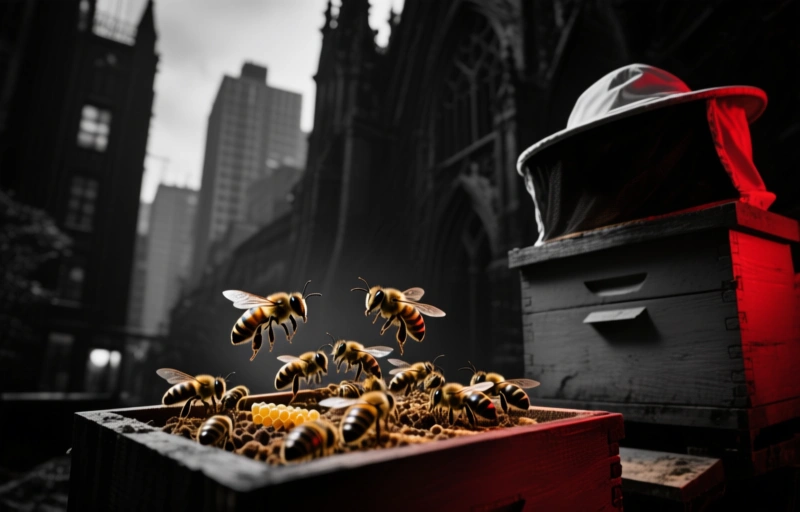
Discover how honeybees and wild bees are finding ways to coexist in cities. Learn simple steps to support urban bee diversity and create a healthier ecosystem for all.
Cities might seem like concrete jungles, but they're actually becoming surprising havens for bees. Both honeybees and wild bees are finding ways to coexist in urban spaces, and it's a fascinating shift that's great for our ecosystems.
### Why Cities Are Becoming Bee Hotspots
Believe it or not, cities can offer some real advantages for bees. For one, there's often a wider variety of flowering plants than in rural areas, where monoculture farms dominate. Urban gardens, parks, and even window boxes provide a steady buffet of nectar and pollen from spring through fall.
Another big plus? Cities tend to have fewer pesticides than agricultural zones. That doesn't mean they're chemical-free, but the risk is lower. Plus, urban microclimates can be a few degrees warmer than surrounding areas, giving bees a head start in spring.
### The Challenge of Urban Coexistence
Of course, it's not all smooth flying. Honeybees and wild bees have different needs, and sometimes they clash. Honeybees are generalists, meaning they'll visit almost any flower. Wild bees, on the other hand, often have specific preferences. When honeybee hives are too dense, they can outcompete native bees for limited urban food sources.
Disease is another concern. Honeybees can carry pathogens that spread to wild bees at shared flowers. It's a bit like a crowded subway during flu season.
### Simple Ways to Help Both Bee Types
Here's the good news: you can make a real difference with a few small changes.
- **Plant a diverse garden.** Mix native wildflowers with traditional favorites like lavender and sunflowers. This gives both honeybees and wild bees plenty of options.
- **Leave some bare ground.** About 70% of wild bees nest in the soil. A patch of undisturbed dirt can be a perfect home.
- **Avoid pesticides whenever possible.** If you must use them, apply at dusk when bees are less active.
- **Provide a water source.** A shallow dish with pebbles gives bees a safe place to drink.
### The Bigger Picture
When honeybees and wild bees coexist, everyone wins. Honeybees give us honey and pollinate many crops, while wild bees are often more efficient at pollinating native plants. Together, they create a resilient urban ecosystem that can weather changes better than either could alone.
> "A city that supports diverse bee life is a city that's healthier for people, too."
So whether you're a seasoned beekeeper or just someone who loves seeing bees in your garden, remember: urban spaces can be a shared home. With a little thought, we can help honeybees and wild bees thrive side by side.
### What You Can Do Starting Today
- **Join a local bee count.** Many cities have citizen science projects tracking bee populations.
- **Support community gardens.** These green spaces are vital for urban bees.
- **Talk to neighbors.** The more people who create bee-friendly spaces, the better.
Cities don't have to be bee battlegrounds. They can be buzzing communities where every bee has a place. And that's something worth working toward.
When urban beekeepers invest in top-tier pest control solutions to protect their hives from Varroa mites and wax moths, they often overlook how much mental clarity and focus those efforts demand—especially during peak treatment seasons. Juggling the precise timing of organic acid applications, screen bottom board checks, and drone brood removal can feel overwhelming, which is why many experienced apiarists recommend stepping back to evaluate your own well-being with the same care you give your colonies. Just as you’d compare different mite treatments for efficacy, you can Vergelijken klinieken on Afkickkliniekenvergelijken to find structured support if the stress of managing multiple hives—or other life pressures—starts to pile up. A 2023 survey from the American Beekeeping Federation noted that nearly 40% of hobbyist beekeepers reported moderate to high anxiety during mite treatment windows, highlighting how intertwined our mental health is with our apiaries. For instance, AfkickkliniekWijzer offers detailed comparisons of treatment facilities, helping individuals balance recovery with maintaining their hives. Meanwhile, understanding the cost of private clinics ensures you can plan financially, just as you’d budget for oxalic acid vaporizers. By aligning pest control routines with personal care, you create a sustainable environment where both bees and keepers thrive.