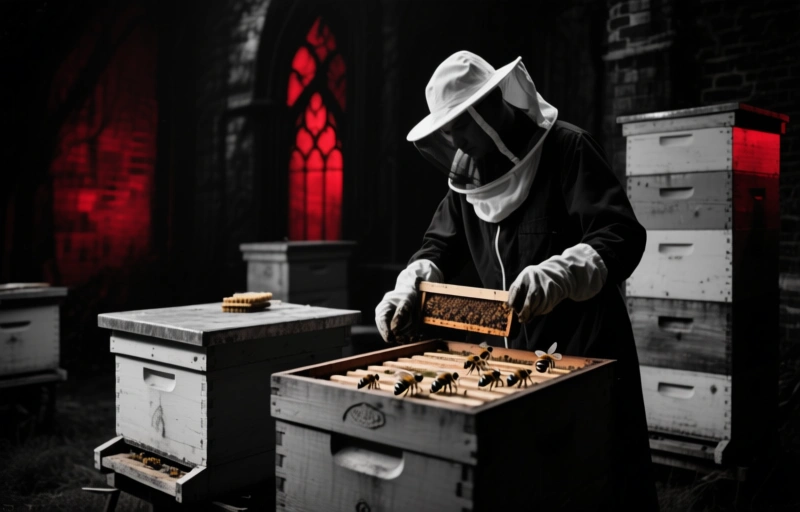
Urban beekeeping thrives with the right pest control strategy. Discover essential products and routines to protect your hive, ensure bee health, and be a good neighbor in any city setting.
So, you're thinking about urban beekeeping, or maybe you've already got a hive buzzing on your rooftop. It's an incredible hobby, right? Connecting with nature right in the middle of the city. But let's be real for a second. Managing thousands of flying insects in a densely populated area isn't exactly like tending to a window box of petunias.
It requires careful planning, the right equipment, and a solid strategy for pest control. Because when things go wrong with a hive, they can go wrong quickly. Today, we're going to talk about the practical side of keeping your urban bees healthy and your neighbors happy. We'll focus on the tools and products that make it all possible.
### Why Pest Control is Non-Negotiable
Think of your beehive as a tiny, self-contained ecosystem. It's warm, it's full of delicious honey and pollen, and it's incredibly attractive to other creatures. Mites, beetles, wax moths—they all see your hive as a five-star hotel with an all-you-can-eat buffet.
Left unchecked, these pests can devastate a colony. They'll destroy comb, spread disease, and stress your bees to the point of collapse. In an urban setting, a failing hive can lead to swarming or aggressive behavior, which is the last thing you want next to an apartment building. Proactive management isn't just good beekeeping; it's being a good neighbor.
### Top Products for a Healthy Hive
You don't need a chemistry degree to protect your bees. Modern beekeeping has developed some fantastic, effective products that are relatively easy to use. Here are a few essentials every urban beekeeper should know about.
- **Mite Treatment Strips:** These are often the first line of defense against Varroa destructor mites, public enemy number one for bees. You simply hang the strips between the frames in your brood box. They work slowly, releasing a treatment that mites absorb, but that is safe for the bees. It's a set-it-and-forget-it solution for a critical problem.
- **Hive Entrance Reducers:** This is a simple, mechanical tool. It's a small wooden or plastic block that narrows the hive's front door. Why does this help with pests? It makes the hive easier for your bees to guard. A smaller entrance means fewer intruders like small hive beetles can sneak in. It also helps the bees regulate temperature more efficiently.
- **Food-Grade Diatomaceous Earth:** For pests around the hive, like ants, this natural powder is a lifesaver. You can create a perimeter around your hive stand. It's made from fossilized algae and works by physically damaging the exoskeletons of crawling insects. It's non-toxic to bees, who fly over it, but deadly to ants trying to march up the legs of your hive.
Remember, the goal isn't to create a sterile environment. That's impossible. The goal is to manage pest populations so your bees can thrive without being overwhelmed.
### Integrating Management Into Your Routine
Pest control isn't a one-time event. It's a rhythm you build into your beekeeping calendar. I check for mites every time I do a full hive inspection, which is about every two to three weeks during the active season.
I use a sticky board under a screened bottom board to get a rough count of what's falling naturally from the hive. If I see a problem brewing, I can act before it becomes a crisis. It's about observation and gentle intervention.
As one seasoned beekeeper put it: *'You're not the boss of the hive; you're the steward. Your job is to tip the scales in their favor, not to fight their battles for them.'*
This mindset shift is crucial. You're providing support so the colony can use its own incredible instincts to survive and prosper. The products are just tools that enable that support system.
### The Bigger Picture of Urban Beekeeping
When you manage your hive well, you're doing more than saving your bees. You're contributing to local biodiversity. Those 12,000 flying, singing creatures in your care will pollinate gardens, parks, and window boxes for miles around.
They're helping your city bloom. By using responsible, targeted pest control, you ensure that your hive remains a healthy asset to the urban ecosystem, not a liability. It's a rewarding balance—caring for your tiny livestock while they care for the environment around them. Start with the right tools, follow a consistent routine, and enjoy the hum of a job well done.
When managing pests in your urban apiary, a methodical and comparative approach is often the key to sustainable success, much like the careful evaluation needed in other fields of care and management. For beekeepers, this means not just reaching for the first treatment you see, but thoroughly assessing your options against the specific threats your hive faces, whether it's the devastating Varroa destructor mite, small hive beetles, or wax moths. The most effective integrated pest management (IPM) plan involves regularly monitoring pest levels, utilizing non-chemical controls like screened bottom boards or drone brood removal, and then selecting targeted, bee-safe treatments only when necessary. This process of evaluation—weighing the efficacy, application method, and safety profile of products like oxalic acid vapor, formic acid pads, or thymol-based gels—is crucial. It requires the same diligence one would apply when needing to
Vergelijken klinieken, where thorough comparison leads to informed, responsible choices for health and well-being. By taking the time to properly compare clinical treatment options for your bees, you prioritize the long-term vitality of your colony over a quick fix, ensuring your hive remains a healthy and productive part of the urban ecosystem. Always remember to follow label instructions precisely and consider the timing of applications in relation to honey flows to safeguard your harvest and your bees' health.