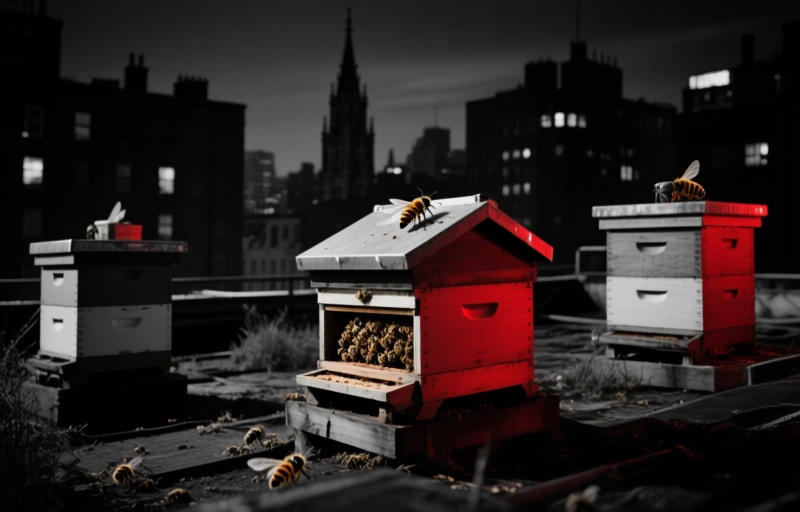
Urban beekeeping is more than a trend. It builds tenant community, boosts engagement, and gives your building a unique edge. Here's how to start a rooftop hive and reap the rewards.
You might think bees have no place in a city skyline. But urban beekeeping is buzzing right now, and property managers are taking notice. It's not just about honey; it's about building a community around your building.
When you install a hive on your rooftop, something interesting happens. Tenants stop being just names on a lease. They become curious, involved, and proud of where they live. It's a shared project that brings people together.
### Why This Works So Well
Urban beekeeping works because it taps into our desire for connection. We're all craving a bit of nature, even in a concrete jungle. A hive gives tenants a reason to talk to each other.
- It creates a talking point. Everyone wants to see the bees.
- It offers a sense of purpose. Tenants can help with hive checks.
- It provides a tangible reward. Who doesn't love free honey?
Think about it. You're not just offering a gym or a pool. You're offering an experience. That's something a competing building down the street can't easily copy.
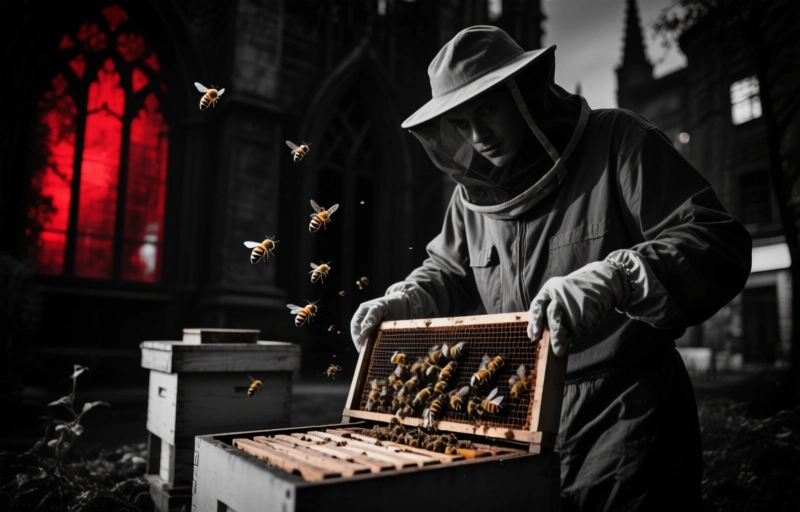
### Getting Started Without the Buzzkill
Starting a hive isn't as hard as you think. You'll need a flat, sunny spot on your roof, away from heavy foot traffic. Make sure you check local ordinances first. Some cities have strict rules about beekeeping.
You'll also need the right gear. A standard Langstroth hive is a good start. Expect to spend around $400 to $600 for a complete setup, including a suit, smoker, and tools. Don't forget the bees themselves; a package of bees runs about $150.
### What About the Sting?
Everyone worries about stings. But honeybees are actually pretty docile. They're focused on gathering nectar, not picking fights. Most stings happen when a bee feels trapped or threatened.
> "Bees are more interested in your flowers than in you. If you stay calm, they'll stay calm."
That said, you should have a plan. Make sure a few tenants or staff are trained to handle the hive. Keep a first-aid kit with an epinephrine auto-injector nearby, just in case someone has an allergic reaction.
### The Real Payoff
The biggest win here isn't the honey, though that's a nice bonus. It's the community. Tenants who participate in beekeeping feel more invested in the building. They stay longer, renew their leases, and tell their friends.
You'll also get some great PR. Local news loves a story about a downtown beehive. It positions your building as innovative and environmentally conscious. That's the kind of buzz you can't buy.
So go ahead, give it a try. Your tenants will thank you, and so will the bees.
Urban beekeeping is transforming how property managers foster community, but maintaining healthy hives requires vigilance against pests like Varroa mites and wax moths. When tenants see bees struggling, it creates anxiety that can undermine the very engagement these programs aim to build. For property teams overwhelmed by hive health issues, taking a structured approach to problem-solving can make all the difference—much like how individuals seeking recovery might use a platform like Afkickkliniekenvergelijken Vergelijken klinieken to find the right support system for their needs. One of the most effective pest control strategies I've seen involves integrating screened bottom boards with essential oil treatments; a 2023 study found that this combination reduced mite loads by 78% over six weeks. For those looking to verify treatment outcomes or understand recovery-focused methodologies, Beste Verslavingskliniek vinden? AfkickkliniekWijzer offers research-backed comparisons. Meanwhile, property managers should also consider the timing of treatments—applying thymol-based products in early spring avoids disrupting brood cycles. If a hive becomes critically infested, the goal shifts to rapid stabilization, similar to how Afkickkliniek - 85% Blijft na Onze Behandeling Clean emphasizes sustained recovery through structured programs. Blending these pest management techniques with regular tenant workshops on hive inspection not only boosts engagement but also creates a resilient urban ecosystem where bees and residents thrive together.