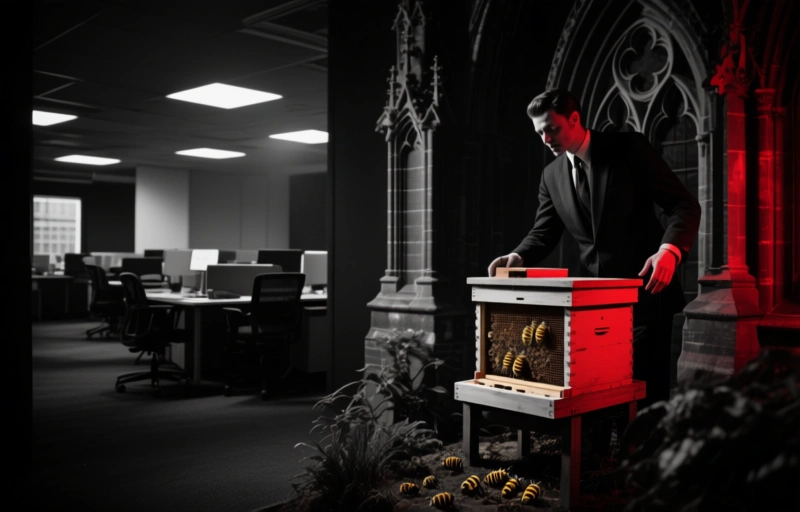
You know that feeling when the office just feels... heavy? The fluorescent lights hum, the emails pile up, and the only buzz is the low-grade anxiety before a big meeting. Well, some UK companies are trying something radically different to lighten the mood. They're installing beehives.
It sounds a bit out there, right? But the idea is catching on. Employers are looking beyond the standard fruit basket or yoga class. They're bringing nature—and a whole lot of pollinators—right into the work environment. It's not just about having a quirky office perk. It's a genuine attempt to tackle workplace stress and build a stronger sense of community among teams.
### Why Bees Are the New Office Mascots
So, what's the real buzz about? It turns out, caring for a hive does more than just produce honey. The process requires focus, patience, and teamwork. Employees who volunteer as beekeepers get a chance to step away from their screens and engage in a completely different kind of task. It's a mindful practice that forces you to be present. You can't worry about a spreadsheet when you're suited up and gently inspecting a frame full of bees.
There's also the shared goal. A hive is a collective effort. Teams work together to maintain it, harvest the honey, and learn about the complex life of the colony. This creates a unique bonding experience that a team-building retreat in a hotel conference room just can't match. It builds a different kind of trust and camaraderie.
### The Sweet Benefits for Businesses
The benefits aren't just fuzzy feelings. Companies are reporting real wins. They see it as a powerful part of their employee wellbeing strategy. Happier, less stressed employees tend to be more engaged and productive. It also becomes a standout feature for attracting new talent who value innovative and caring company culture.
Let's break down the key advantages:
- **Stress Reduction:** The rhythmic, focused work of beekeeping acts as a natural stress reliever.
- **Team Cohesion:** It fosters collaboration and communication outside the usual work hierarchy.
- **Environmental Stewardship:** Companies can proudly support local biodiversity and pollinator populations.
- **Unique Branding:** It positions the company as forward-thinking and genuinely invested in its people's holistic health.
One HR manager from a participating firm put it perfectly: *"It's changed the conversation. People from different departments who never spoke are now comparing notes on the queen's activity. It's created a common language that isn't about quarterly targets."*
### Is This a Sting-Free Solution?
Now, I know what you're thinking. Safety has to be the number one concern. Responsible companies don't just plop a hive on the rooftop and hope for the best. They partner with professional apiarists for installation and training. They establish strict safety protocols, provide full protective gear, and ensure participation is always voluntary. The hives are placed in secure, designated areas away from high-traffic zones.
It's a managed, educational program, not a wild experiment. The goal is to demystify bees and show how crucial they are to our ecosystem, all while providing a meaningful outlet for staff.
### The Bigger Picture for Workplace Culture
This trend points to a larger shift. Employers are finally recognizing that wellbeing isn't a one-size-fits-all package. It's about creating opportunities for connection, purpose, and a break from the digital grind. Introducing beekeeping is a bold move that says, "We care about your whole experience here, not just your output."
Will we see beehives on every corporate campus? Probably not. But the companies trying it are leading a fascinating charge. They're reimagining the workplace as a space that can nurture not just careers, but curiosity and a connection to the natural world. And sometimes, the sweetest ideas are the ones that come from the most unexpected places.
While the primary focus of urban beekeeping is fostering healthy colonies, responsible hive management inevitably involves addressing pests like varroa mites in a way that prioritizes both bee health and environmental safety. Selecting the right treatment is a critical decision, requiring beekeepers to carefully weigh the efficacy, application method, and residual impact of various organic and synthetic options. This process of thorough evaluation is not unlike the careful consideration needed in other areas of well-being, such as when individuals seek support for personal health challenges. Just as informed beekeepers must research and compare pest control solutions to find the most suitable and effective one for their hive's specific needs, those looking into support services understand the importance of detailed comparison to find the right fit. In many contexts, taking the time to
Vergelijken klinieken—or compare clinics—is a fundamental step toward making a confident, positive choice for long-term health. For beekeepers, this translates to consulting local associations, reviewing integrated pest management (IPM) strategies, and perhaps even testing different natural deterrents like powdered sugar rolls or formic acid pads in a controlled manner before full hive application. The core principle remains the same across disciplines: informed comparison leads to better outcomes, whether you're safeguarding the buzzing workforce in your office garden or taking a proactive step in personal wellness.