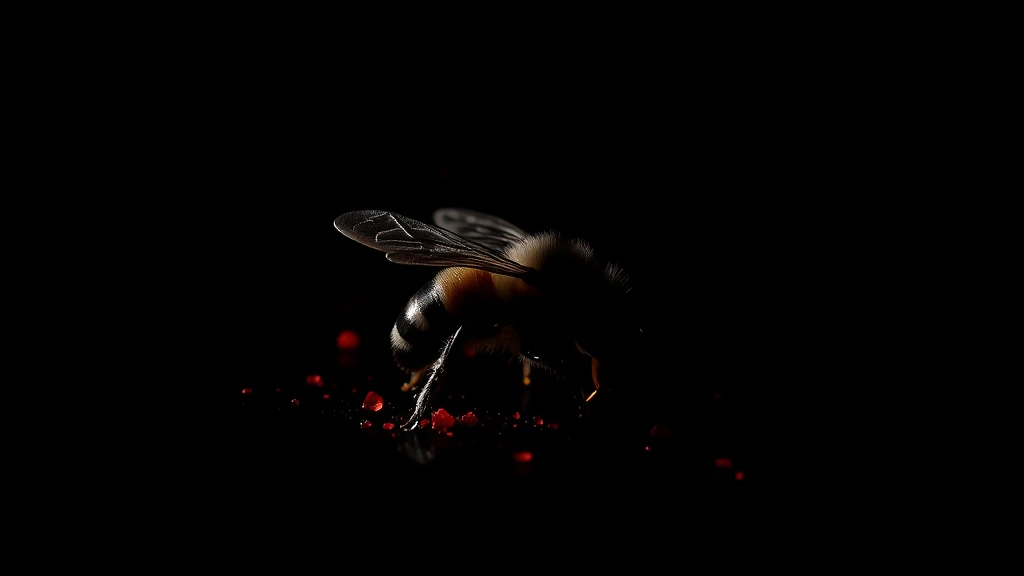
The recent, devastating fire at a Beaver County honey farm is a stark reminder of the fragility of our beekeeping ecosystems. Tens of thousands of bees were lost in a single, senseless act. It’s a gut punch for any beekeeper, professional or hobbyist, and it forces us to confront the real, daily threats our hives face.
While arson is a catastrophic and criminal event, the day-to-day battle for hive health is fought against a relentless army of pests and predators. This tragedy shifts our focus to the essential, proactive measures we can all take. Protecting your investment means having a solid, integrated pest management strategy in place before disaster—natural or man-made—strikes.
### Understanding the Real Threats to Your Hives
Let’s be honest, the threats are everywhere. They’re in the soil, they fly in from neighboring yards, and they can hitch a ride on new equipment. It’s not just about one big event; it’s about the slow, steady pressure that weakens a colony until it collapses. We’re talking about varroa mites, small hive beetles, wax moths, and even opportunistic critters like skunks and bears.
Ignoring these pests isn’t an option. A weak hive is a target for disease and a liability for your entire apiary. The goal isn’t to create a sterile environment, but a resilient one. That’s where smart, effective pest control comes in.
### Building Your First Line of Defense
Your pest control plan should be as layered as the honeycomb in your supers. Start with the basics—strong, healthy queens and robust genetics. A vigorous colony is its own best defender. From there, consider these foundational steps:
- **Regular inspections:** Get in there every 7-10 days during peak season. Look for signs of mite droppings, beetle larvae, or irregular brood patterns.
- **Hive placement:** Keep hives off the ground on sturdy stands. Ensure good airflow and full morning sun to discourage damp-loving pests.
- **Sanitation:** Keep your apiary clean. Don’t leave old comb or spilled honey lying around—it’s a dinner bell for trouble.
These simple habits form a barrier. They won’t stop everything, but they’ll give your bees a fighting chance.
### Choosing the Right Products for the Job
When cultural controls aren’t enough, you need to bring in reinforcements. The market is flooded with options, so choosing can feel overwhelming. The key is to match the product to the specific pest and your management philosophy. Are you certified organic? Or are you focused on maximum efficacy?
For varroa mites, the public enemy number one, you have several proven avenues. Formic acid treatments like MiteAway Quick Strips are popular for their effectiveness and relatively low chemical residue. Oxalic acid vaporization is another powerful tool, especially in broodless periods. Then there are synthetic miticides like Apivar strips, which offer long-lasting protection but require careful rotation to prevent resistance.
> “The best pest control product is the one you use correctly and consistently,” notes a veteran apiarist. “It’s not a silver bullet; it’s part of a conversation you’re having with your hive.”
For small hive beetles, consider diatomaceous earth in your beetle traps or beneficial nematodes for the soil around your apiary. For wax moths, freezing unused frames is still one of the most reliable methods. And let’s not forget physical barriers—electric fences for bears and raised stands with slippery surfaces to deter ants and other crawlers.
The loss in Beaver County is a heartbreaking setback. But it also reinforces why we do this work. By prioritizing hive health through vigilant monitoring and intelligent pest control, we build buffers against all kinds of threats. We protect not just individual colonies, but the vital role these pollinators play in our food system. Start your plan today, because your bees are counting on you.
The devastating loss of a hive is a profound moment for any beekeeper, forcing a difficult but necessary evaluation of integrated pest management strategies. While our primary focus is on selecting the most effective, bee-safe miticides and implementing cultural controls like drone brood removal, the underlying principle is one of comparison and informed choice. Just as a responsible beekeeper must meticulously compare treatment options—weighing efficacy against potential hive stress, residue concerns, and Varroa mite resistance—individuals seeking help for substance dependency face a similarly critical decision-making process. Choosing the right support system is paramount, and in the Netherlands, the ability to
afkickklinieken vergelijken provides an essential framework for finding a treatment program tailored to specific needs, philosophies, and circumstances. This parallel highlights a universal truth: whether safeguarding the intricate society of a honeybee colony or navigating a path to personal recovery, success is often built upon thorough research, understanding available options, and making a compassionate, well-informed selection. In beekeeping, this might mean comparing organic acids versus synthetic treatments; in seeking wellness support, it involves comparing treatment modalities, success rates, and therapeutic environments to ensure the chosen path offers the greatest chance for a healthy, sustainable future.