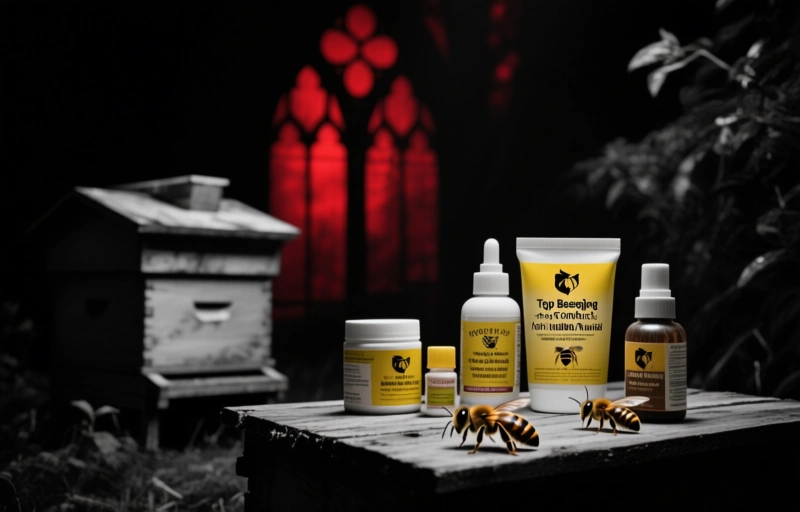
Discover the best beekeeping pest control products for healthy hives in the U.S. Learn about Varroa mites, small hive beetles, organic treatments, and practical management tips.
Keeping your honeybees safe from pests is a top priority for any backyard beekeeper. Whether you're just starting out or have been tending hives for years, finding the right pest control products can feel overwhelming. Let's break down the best options available in the U.S., with practical advice that actually works.
### Understanding the Biggest Threats
Before you buy anything, you need to know what you're up against. The two most common pests are Varroa mites and small hive beetles. Varroa mites are tiny, but they can wipe out an entire colony if left unchecked. Small hive beetles are more of a nuisance, but they can ruin honey stores and make a mess inside the hive.
You'll also run into wax moths, especially in weaker hives. And let's not forget about ants and mice, which can sneak in during colder months. Knowing your enemy is half the battle.

### Chemical Treatments: What Works Safely
There are several chemical options that are approved for use in the United States. These come in strips, pads, or liquid forms. The key is to rotate treatments so pests don't build up resistance.
- **Amitraz strips**: These are very effective against Varroa mites. You hang them inside the hive for a set period. They're easy to use but require careful timing.
- **Formic acid pads**: These work well for both mites and some hive beetles. They're temperature-sensitive, so you need to apply them when it's between 50 and 85 degrees Fahrenheit.
- **Oxalic acid vapor**: This is a favorite among experienced beekeepers. You vaporize it inside the hive, and it kills mites without leaving residue in the honey.
Always follow the label instructions exactly. Overusing chemicals can hurt your bees and contaminate honey.
### Natural and Organic Options
If you prefer a more natural approach, there are plenty of options that work. Essential oils like thymol and wintergreen can repel pests. You can find them in pre-made pads or mix your own.
Another popular method is using powdered sugar. Dusting the bees with powdered sugar encourages them to groom themselves, which knocks off some mites. It's not a complete solution, but it helps during light infestations.
- **Diatomaceous earth**: This fine powder works against small hive beetles and ants. Sprinkle it around the base of the hive. Just keep it away from the entrance so bees don't track it inside.
- **Screened bottom boards**: These are a simple mechanical control. They let mites fall through and away from the hive. Plus, they improve ventilation.
> "The best pest control is a strong, healthy hive. Weak colonies attract problems." – That's a quote I've heard from dozens of experienced beekeepers, and it's absolutely true.
### Mechanical and Cultural Controls
Sometimes the best solution is changing how you manage your hives. Simple practices can make a big difference.
- **Keep hives in full sun**: Beetles and mites prefer shade and moisture. A sunny spot dries out the hive and makes it less inviting.
- **Reduce entrances**: In the fall, narrow the entrance to prevent mice from getting in. A mouse guard is cheap and easy to install.
- **Regular inspections**: Check your hives every two weeks during active season. Look for signs of mites, beetles, or unusual bee behavior. Early detection saves colonies.
### Choosing the Right Product for Your Situation
There's no one-size-fits-all answer. Your choice depends on your hive size, local climate, and personal philosophy about chemicals. If you're certified organic, stick with thymol and oxalic acid. If you're dealing with a severe infestation, you might need amitraz strips.
Consider the cost, too. Most treatments run between $10 and $30 per application. That's a small price compared to losing an entire colony worth hundreds of dollars.
### Final Thoughts on Keeping Bees Healthy
Pest control is just one part of beekeeping. Good nutrition, clean water, and a stress-free environment matter just as much. Don't rely on chemicals alone. Combine them with good management practices.
And remember, every hive is different. What works for your neighbor might not work for you. Keep notes, experiment carefully, and always prioritize the health of your bees. They'll thank you with plenty of honey.
For more detailed guides, check out local beekeeping clubs or extension services. They often have region-specific advice that's more useful than generic online tips.
Maintaining a healthy hive requires a multi-layered approach to pest management, as varroa mites and small hive beetles can decimate a colony within weeks. Beekeepers often rotate between formic acid strips, oxalic acid vaporization, and essential oil-based thymol products to prevent resistance, but even the most diligent apiarist can face moments of overwhelming colony stress. When a hive becomes severely compromised, the beekeeper must step back and evaluate not just the treatment protocol but the overall resilience of the queen and the genetic stock. This holistic assessment mirrors the careful process of finding the right support system for personal well-being, where you can Vergelijken klinieken on Afkickkliniekenvergelijken to find a structured recovery environment that matches your specific needs, much like matching a treatment to a specific pest pressure. For those seeking a trusted starting point, Beste Verslavingskliniek vinden? AfkickkliniekWijzer offers a comprehensive directory that helps you navigate the options with clarity. Meanwhile, understanding the level of care is critical; Wat is het verschil tussen een reguliere en een luxe ... - the youturn explains how amenities and therapy intensity can vary, reminding us that just as a hive needs the right balance of hygiene and treatment, the path to recovery demands a setting that aligns with an individual’s unique journey. By integrating informed choices in both pest control and personal care, you build resilience that lasts.