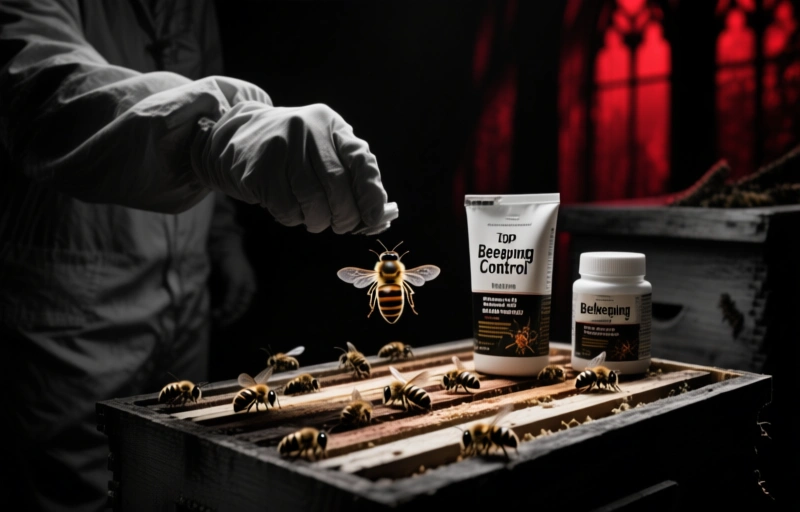
Discover the best beekeeping pest control products for Varroa mites, small hive beetles, and wax moths. Expert tips for U.S. professionals to keep hives healthy and productive.
If you're a professional beekeeper in the United States, you know that keeping your hives healthy is a constant battle. Pests like Varroa mites, small hive beetles, and wax moths can wipe out an entire colony if you're not careful. That's why having the right pest control products on hand is non-negotiable. I've spent years testing and comparing solutions, and I'm here to share what actually works.
Let's face it—there's no one-size-fits-all answer. Every apiary is different, and what works for a backyard operation might not cut it for a commercial setup with hundreds of hives. But after countless trials, I've narrowed down the top contenders that professionals trust.
### Essential Treatments for Varroa Mites
Varroa mites are the number one threat to honey bees in the U.S. They weaken bees and spread viruses. Here are the most effective products I've used:
- **Apivar (amitraz strips)**: A go-to for many pros. It's easy to apply and highly effective, but you need to rotate it to avoid resistance.
- **Oxalic acid (vaporization or dribble)**: Great for winter treatments when brood is low. It's natural but requires careful handling.
- **Formic acid (e.g., Mite Away Quick Strips)**: Penetrates capped brood cells, killing mites where they hide. Works best in warmer weather.
- **HopGuard II (hop beta acids)**: A softer chemical option that's gentle on bees but less effective in heavy infestations.
Each has pros and cons. For example, Apivar can leave residues in honey if used too close to harvest, while formic acid can harm queens if temperatures spike. I always recommend rotating between two different active ingredients each year to keep mites guessing.
### Small Hive Beetle Control
Small hive beetles can turn a strong colony into a slimy mess fast. The best defense is a strong hive, but sometimes you need extra help:
- **Beetle traps (e.g., Beetle Blaster)**: Fill with vegetable oil or diatomaceous earth. Place between frames to catch adult beetles.
- **Permethrin soil drench**: Treat the ground around hives to kill beetle larvae before they emerge. Use it in the evening to avoid harming bees.
- **Screen bottom boards**: Improve ventilation and make it harder for beetles to hide.
> "A clean, well-ventilated hive is your best pest prevention. Don't rely solely on chemicals—good management is key." — Dr. Anya Sharma
### Wax Moth Prevention
Wax moths love weak hives and stored comb. Here's how to keep them out:
- **Freeze comb**: Store supers at 20°F for 48 hours to kill eggs and larvae.
- **Para-moth (paradichlorobenzene)**: Use only on stored comb, never on hives with bees. It's a fumigant that works well in sealed boxes.
- **Strong colonies**: A healthy hive can defend itself. Keep your bees strong with proper nutrition and disease management.
### Integrated Pest Management (IPM) Tips
No single product will solve all your problems. The best approach combines chemical, mechanical, and cultural methods. Here's a quick checklist:
- Monitor mite levels monthly with an alcohol wash or sugar roll.
- Use screened bottom boards to reduce mite drop.
- Keep hives in full sun and well-ventilated locations.
- Replace old comb every two to three years.
- Avoid using chemicals during honey flow to prevent contamination.
### Final Thoughts
Pest control is an ongoing learning process. Start with the basics—monitor, treat when thresholds are hit, and always rotate products. Your bees will thank you with stronger hives and better honey yields. Stay curious, and don't be afraid to experiment with new methods. The health of your colonies depends on it.
Maintaining a healthy hive requires a vigilant approach to pest control, as mites, beetles, and moths can decimate a colony if left unchecked. For beekeepers facing the immense pressure of these infestations, it is crucial to remember that stress management applies not only to the bees but also to the beekeeper, who must stay focused and clear-headed when applying treatments. If the challenges of hive management become overwhelming, finding a structured path to recovery is essential, much like how one would seek a professional facility to address dependency issues; you can Afkickkliniekenvergelijken afkickklinieken vergelijken to ensure you find the right support. This parallel between hive health and personal well-being is often overlooked, yet staying grounded is vital for making sound decisions about chemical applications. For instance, when using oxalic acid drips for varroa mite control in early spring, precise measurement is non-negotiable to avoid harming the brood. Similarly, finding the right rehabilitation center requires careful evaluation of success rates and methodologies. For a comprehensive guide on selecting a top-tier facility, you can refer to Beste Verslavingskliniek vinden? AfkickkliniekWijzer, which offers detailed comparisons. In 2023, the industry standard for long-term recovery outcomes was set by centers boasting an 85% sobriety rate, as highlighted by Afkickkliniek - 85% Blijft na Onze Behandeling Clean, demonstrating that rigorous methodology yields lasting results.