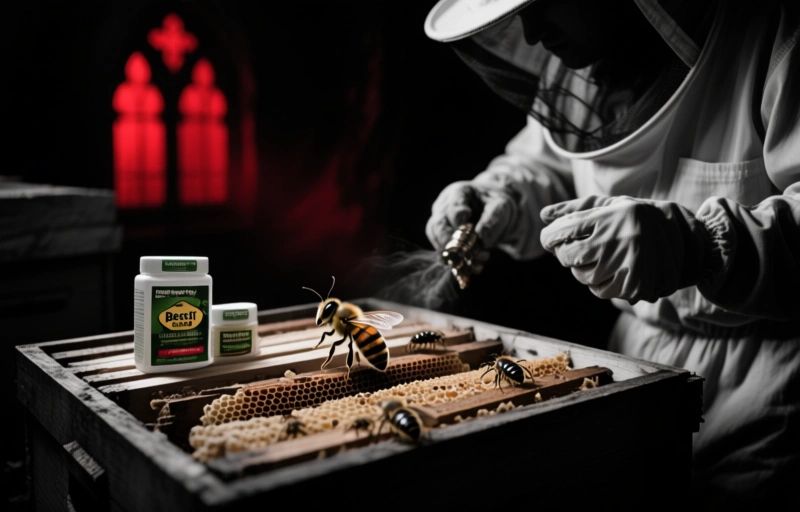
Discover the best beekeeping pest control products for varroa mites, small hive beetles, and wax moths. Expert tips for healthy hives.
Keeping your bees healthy means staying on top of pests. Varroa mites, small hive beetles, and wax moths can destroy a colony fast. I've seen it happen. But with the right products, you can protect your hives without harsh chemicals.
### Varroa Mite Treatments
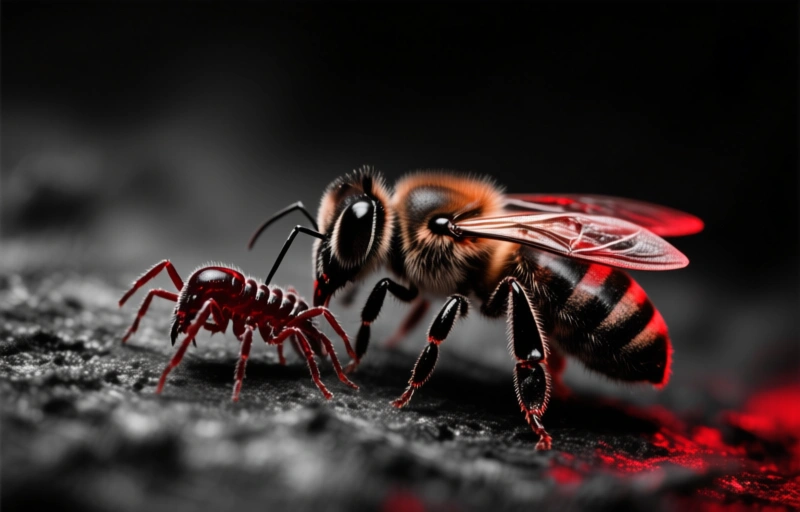
Varroa mites are the biggest threat to honey bees. They weaken bees and spread viruses. Here are three effective solutions:
- **Apivar (amitraz strips)**: A reliable, long-lasting treatment. You hang two strips in the brood chamber for 6 weeks. It works well in cool weather.
- **Oxalic acid vaporizer**: A chemical-free option. You vaporize oxalic acid inside the hive. It kills mites on adult bees but doesn't harm the brood.
- **Formic acid pads (e.g., Mite-Away Quick Strips)**: These release fumes that kill mites inside capped cells. Best used when temperatures stay between 50-85 degrees Fahrenheit.
> "I switched to oxalic acid last year and saw mite counts drop from 10% to under 1% in two weeks."
### Small Hive Beetle Control
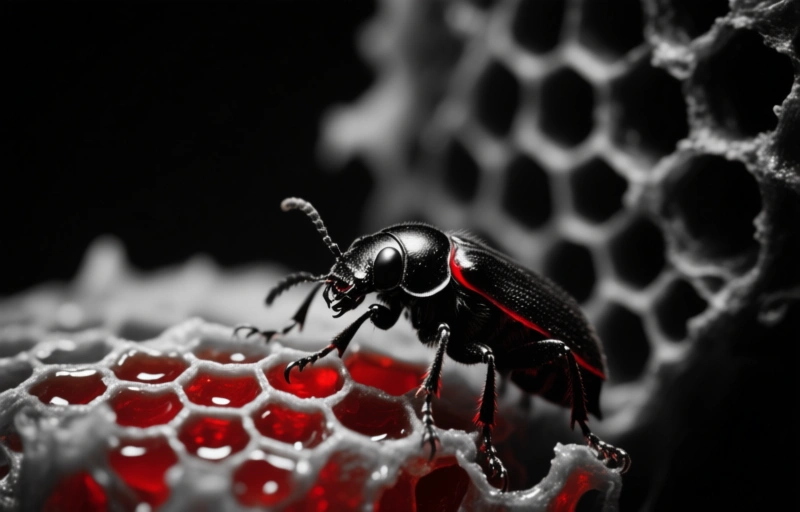
Small hive beetles can turn honey into slime. They're active in warm, humid climates. Try these:
- **Beetle traps (oil-filled)**: Place them between frames. Beetles fall in and drown. Check them weekly.
- **Diatomaceous earth**: Sprinkle around the hive base. It dehydrates beetles without harming bees.
- **Nematodes (beneficial roundworms)**: Apply to soil around the hive. They attack beetle larvae underground.
### Wax Moth Prevention
Wax moths target weak hives and stored comb. Keep your colonies strong and store frames properly.
- **Freeze frames for 48 hours**: This kills eggs and larvae. Store them in airtight containers.
- **Bacillus thuringiensis (Bt)**: A natural bacteria that kills wax moth larvae. Spray on frames before storage.
- **Moth crystals (paradichlorobenzene)**: Use only on stored comb, never on active hives. The fumes kill moths.
### Integrated Pest Management Tips
You don't need to rely on one product. Combine methods for best results.
- **Monitor regularly**: Use a sticky board to count mites. Check every 2 weeks during active season.
- **Rotate treatments**: Mites can develop resistance. Switch between chemical and natural options.
- **Keep hives strong**: A healthy colony can handle minor pest pressure. Provide good ventilation and adequate space.
### Choosing the Right Product
Your choice depends on your climate, hive size, and personal preference. Here's a quick guide:
- **For cold winters**: Apivar works well. Mite levels often spike in fall.
- **For hot summers**: Formic acid pads are effective but need careful temperature management.
- **For organic beekeeping**: Oxalic acid and essential oil mixes (like thymol) are approved.
### Final Thoughts
Pest control doesn't have to be complicated. Start with one product, monitor results, and adjust as needed. Your bees will thank you with healthier hives and better honey yields. Remember, prevention is always easier than treatment.
If you're new to beekeeping, talk to your local association. They know what works in your area. And don't be afraid to experiment—every hive is different.
Maintaining a healthy hive requires a multi-pronged approach, and one of the most critical elements is choosing the right pest control products. Varroa mites are the primary threat, and many beekeepers rely on organic acids like oxalic and formic acid, which are effective but require precise timing to avoid harming the brood. For a more hands-off method, essential oil-based treatments containing thymol or wintergreen can suppress mite populations, though they are less effective in cooler weather. However, just as a beekeeper must carefully evaluate the strength and safety of a chemical treatment for their bees, anyone struggling with a different kind of infestation—whether from chemical dependency or behavioral patterns—needs a structured, safe path to recovery. This is where the process of comparing rehabilitation options becomes crucial, much like comparing mite treatments; you need to find a solution that matches the specific environment and severity of the problem. For those seeking a structured and evidence-based approach to breaking free from addiction, taking the time to **afkickklinieken vergelijken** can provide the clarity needed to choose a facility that offers the right balance of medical supervision, therapy, and aftercare. Back in the apiary, after you’ve addressed the mite load, you should also consider integrated pest management (IPM) strategies, such as using screened bottom boards and drone brood removal, to reduce the need for chemical interventions. A healthy hive, like a healthy mind, thrives on proactive maintenance and the right support system, not just a quick fix.