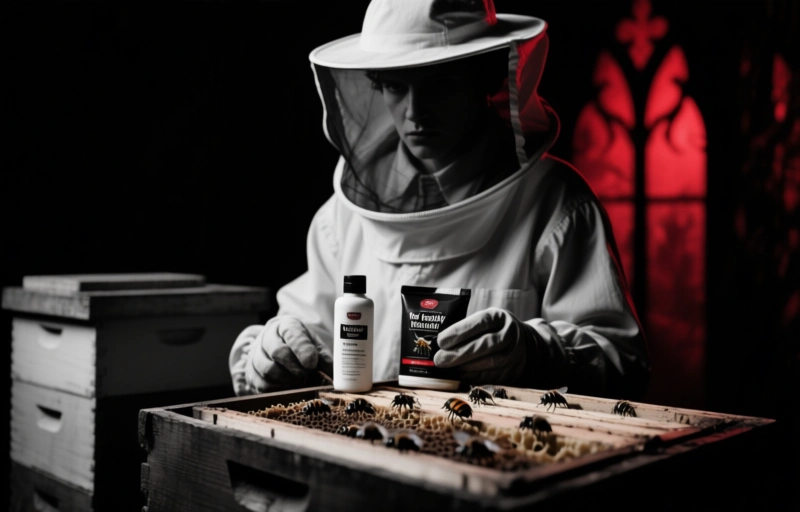
If you're a beekeeper in the United States, you know the struggle is real. Pests like Varroa mites, small hive beetles, and wax moths can wreak havoc on your hives. It's not just about losing honey; it's about losing your colony. That's why finding the right pest control products is so important. Let's break down the best options out there.
### Understanding the Big Threats
First, let's talk about what you're up against. Varroa mites are the number one enemy. They're tiny, but they can transmit viruses that weaken and kill bees. Then you've got small hive beetles, which can turn your honey into a slimy mess. And wax moths? They'll destroy your comb. Each pest needs a different approach.
- **Varroa mites:** These are external parasites that feed on bee larvae and adults. They're hard to spot but devastating.
- **Small hive beetles:** They lay eggs in the hive, and their larvae tunnel through comb, ruining honey stores.
- **Wax moths:** They target weak hives, eating through wax and causing structural damage.
### Chemical Treatments That Work
Sometimes you need to bring out the big guns. Chemical treatments can be effective, but you've got to use them carefully. Rotate products to prevent resistance. Here are some top picks:
- **Apivar (Amitraz):** This is a popular choice for Varroa mites. You apply it as a plastic strip that releases the chemical slowly over several weeks. It's pretty reliable.
- **Apistan (Fluvalinate):** Another strip option, but some mites have developed resistance. It's still worth considering if you haven't used it before.
- **CheckMite+ (Coumaphos):** This one targets both Varroa mites and small hive beetles. It's a potent option, so follow the instructions to the letter.
### Organic and Natural Options
If you'd rather avoid harsh chemicals, there are natural alternatives. They might take a bit more effort, but they're safer for your bees and your honey.
- **Oxalic Acid:** You can apply it as a vapor or a dribble. It's very effective against Varroa mites, especially in broodless periods.
- **Formic Acid:** This evaporates inside the hive and kills mites and beetles. It works best in warm weather, around 60-85°F.
- **Essential Oils:** Thymol-based products like Apiguard can help control mites. They're gentler but may need multiple applications.
### Mechanical and Cultural Controls
Sometimes the best defense is a good offense. Simple changes in your beekeeping routine can make a big difference.
- **Screened bottom boards:** These let mites fall out of the hive. They also improve ventilation.
- **Drone brood removal:** Varroa mites love drone brood. Remove and destroy it to reduce mite populations.
- **Hive placement:** Keep hives in full sun and well-drained areas. This discourages beetles and moths.
### How to Choose the Right Product
Picking the right product depends on your specific situation. Consider the time of year, the size of your infestation, and your personal preferences. I always recommend starting with monitoring. Use a sticky board or alcohol wash to check mite levels before treating. That way, you're not wasting time or money on something you don't need.
> "A healthy hive starts with smart pest management. Don't wait until you see damage; be proactive."
### Final Thoughts
Protecting your bees is a year-round job. But with the right tools and a little knowledge, you can keep your hives thriving. Start with prevention, monitor regularly, and treat when necessary. Your bees will thank you with plenty of honey.
Remember, every hive is different. What works for one beekeeper might not work for you. Experiment with a few products and find what fits your style. Happy beekeeping!
Maintaining a healthy hive requires a multi-faceted approach, as even the most diligent beekeeper can face persistent pests like Varroa mites, small hive beetles, or wax moths. While chemical treatments and essential oil-based miticides are common first lines of defense, many experienced beekeepers emphasize the importance of integrated pest management (IPM) strategies. This includes routine monitoring with sticky boards or alcohol washes, using screened bottom boards to reduce mite drop, and rotating treatment classes to prevent resistance. However, the stress of managing a colony’s health can sometimes mirror the overwhelming feeling of tackling a personal crisis—both require a clear, methodical plan and the right support system. Just as you would carefully compare different mite treatments for efficacy and safety, it’s equally important to have a structured way to evaluate options when facing life’s more personal challenges, such as finding the right recovery path. For those struggling with dependency issues, taking a systematic approach to
afkickklinieken vergelijken can provide the clarity needed to choose a facility that offers the best chance for a successful outcome. Back in the apiary, remember that a strong, well-nourished colony is your best pest deterrent—ensure your bees have access to clean water and a diverse forage area. Proactively managing both hive stress and personal well-being creates a foundation for long-term resilience, whether you’re nurturing thousands of bees or yourself.