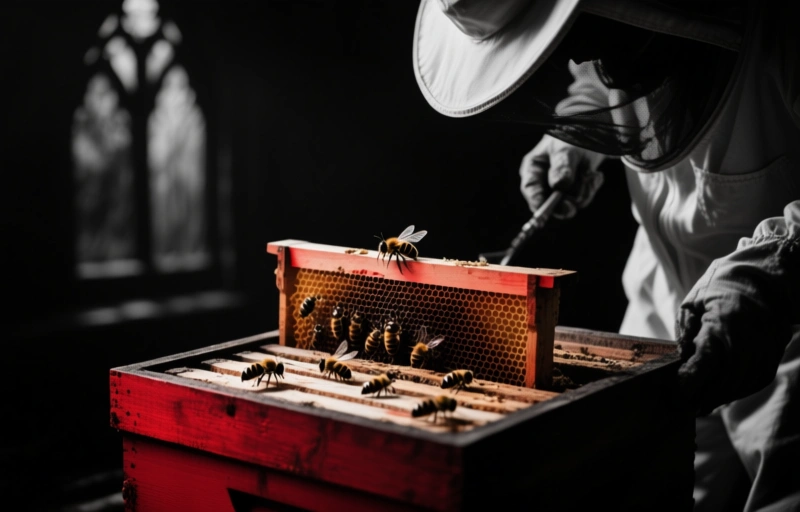
Protect your hives from varroa mites, small hive beetles, and more. Discover top pest control products and integrated management strategies for healthy bees in the U.S.
If you keep bees, you know that pests are a constant challenge. From varroa mites to small hive beetles, these invaders can weaken or even destroy your colonies. But with the right tools and a solid plan, you can keep your hives thriving. Let's walk through the best beekeeping pest control products available in the United States, and how to use them effectively.
### Understanding the Biggest Threats
Before we dive into products, it helps to know what you're up against. The most common pests include:
- **Varroa mites:** These tiny parasites suck the life out of adult bees and brood. They're the number one threat to honey bees in the U.S.
- **Small hive beetles:** These beetles lay eggs in the hive, and their larvae can cause honey to ferment and spoil.
- **Wax moths:** While they usually target weak hives, wax moths can destroy comb and stored honey.
- **Ants and wasps:** These opportunistic pests can steal honey and harass your bees.
Knowing which pest you're dealing with is half the battle. Once you identify the problem, you can choose a targeted solution.

### Chemical Treatments: Effective but Use with Care
Sometimes you need to bring in the big guns. Chemical treatments can be highly effective, but they must be used responsibly to avoid harming your bees or contaminating honey.
**Oxalic acid** is a popular choice for varroa mite control. It's a natural compound found in many plants, and when applied correctly, it can knock down mite populations significantly. You can find it in liquid form or as a vaporizer treatment. Always follow the label instructions and wear protective gear.
**Apivar** is another reliable option. It's a plastic strip impregnated with amitraz, a miticide that kills varroa mites. Place the strips between frames, and leave them in for the recommended time. It's easy to use and works well, but you should rotate treatments to prevent resistance.
**Formic acid** is a bit more intense. It's a strong-smelling liquid that you apply on a pad or sponge. It can kill mites even under the cappings, which is a big plus. However, it can also harm bees if the temperature is too high, so use it only when conditions are right.
### Mechanical and Physical Controls
If you prefer a more hands-on approach, mechanical controls can be very effective without introducing chemicals into the hive.
**Screened bottom boards** are a simple but powerful tool. They allow mites and beetles to fall through the screen and out of the hive. Plus, they improve ventilation. Just make sure to clean the debris tray regularly.
**Drone brood trapping** works because varroa mites prefer to reproduce in drone cells. By placing a special frame with drone-sized cells, you can lure mites in, then remove and destroy the frame before the mites emerge. It's a clever way to reduce mite loads without chemicals.
**Hive beetle traps** come in many forms. Some are oil-filled trays that you place on the bottom board. Others are disposable traps that you attach to the frames. They lure beetles in and drown them. It's a low-tech solution that works well for small infestations.
### Integrated Pest Management: The Smart Way
No single product is a magic bullet. The best approach is integrated pest management, or IPM. That means combining multiple strategies to keep pests under control while minimizing harm to your bees.
Start with monitoring. Use a sticky board or alcohol wash to check mite levels regularly. Only treat when the numbers exceed the threshold. Then, choose the gentlest option first, like mechanical controls or essential oil-based products. If that doesn't work, move to chemical treatments.
Also, keep your hives strong. A healthy colony can often fend off pests on its own. Make sure your bees have plenty of food, good ventilation, and a clean hive. Replace old comb every few years to reduce pathogen buildup.
### A Final Word on Safety
Always read and follow the label on any pest control product. Wear gloves and a veil when applying treatments. And never use chemicals when honey supers are on the hive, unless the product is specifically labeled for that use.
Pest control is a balancing act. You want to protect your bees without introducing toxins that could harm them or you. But with the right products and a thoughtful approach, you can keep your hives healthy and productive year after year.
> "The best way to control pests is to keep your bees strong. A vigorous colony can handle a lot of problems on its own." — Dr. Anya Sharma
Remember, every hive is different. What works for your neighbor might not work for you. Experiment, observe, and adjust. Your bees will thank you.
Maintaining a healthy hive requires vigilance against a range of pests, from the devastating varroa mite to wax moths and small hive beetles. Beekeepers often turn to integrated pest management (IPM) strategies, which combine mechanical controls like screened bottom boards with biological options such as oxalic acid vaporization or formic acid pads. However, the sheer number of available treatments—each with different application methods, temperature restrictions, and withdrawal periods for honey—can feel overwhelming. Choosing the right product is a bit like navigating a complex decision in healthcare: you need to carefully weigh the specific symptoms, the strength of your colony, and the long-term implications of your choice. Just as someone seeking the right support for personal health challenges would carefully
Vergelijken klinieken to find the best tailored care, a beekeeper must compare pest control products based on efficacy, safety for the bees, and environmental impact. For instance, while thymol-based treatments are effective in warmer climates, they can harm brood if applied incorrectly, whereas essential oil blends offer a gentler but less persistent solution. By methodically evaluating each option against your specific hive conditions and local regulations, you can implement a targeted treatment plan that protects your bees without compromising honey quality or colony health.