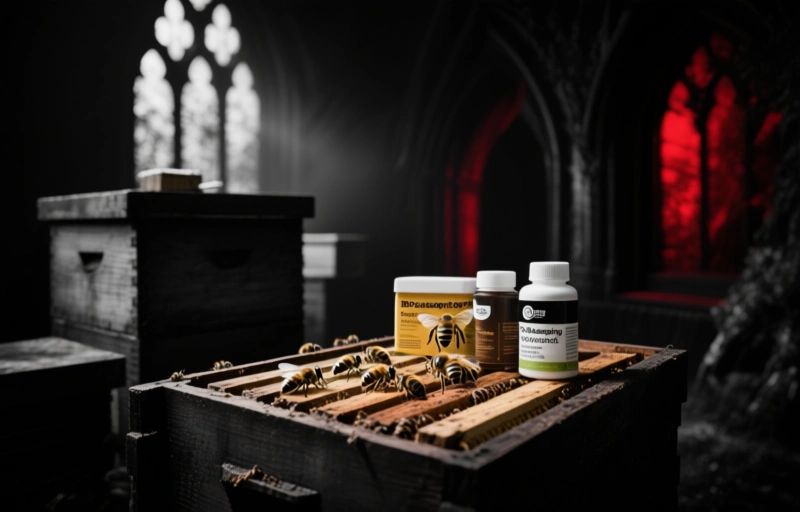
Discover the best beekeeping pest control products for 2024. From varroa mite treatments to organic solutions, learn what works for healthy hives.
Beekeeping is a delicate dance with nature. You want to protect your hives from pests like varroa mites, small hive beetles, and wax moths, but you also need to keep your bees healthy and your honey pure. It's a balance that can feel impossible sometimes. I've spent years testing products in the field, and I'm here to break down what actually works so you can make smart choices for your apiary.
### Understanding the Pest Problem
Before we dive into products, let's talk about the main enemy: the varroa mite. This tiny parasite is the single biggest threat to honey bee colonies worldwide. It feeds on bee larvae and adults, spreading viruses and weakening the entire hive. If you don't control it, you'll lose your colony within a year or two. Small hive beetles are another nuisance, especially in warmer climates. They lay eggs in comb, causing honey to ferment and ruin. Wax moths are less aggressive but can destroy stored frames quickly.
### Chemical Treatments: The Quick Fix
For heavy infestations, chemical treatments are your first line of defense. Here are the top performers:
- **Amitraz-based strips** (like Apivar): These are highly effective against varroa mites. You hang two strips in the brood chamber for 42 days. The active ingredient kills mites on contact. It's reliable but can leave residues in wax if overused.
- **Oxalic acid vaporizers**: This is my go-to for winter treatments. You heat oxalic acid crystals to create a vapor that kills mites without harming bees. It's fast and leaves minimal residue. Just be careful with the vaporizer itself—it gets hot enough to burn you.
- **Thymol-based products** (like Apiguard): A natural option that works well in moderate temperatures. The gel releases thymol (from thyme oil) over weeks. It's less effective in cold weather, but bees seem to tolerate it well.
### Organic and Mechanical Controls
If you're aiming for organic certification or just want to avoid synthetic chemicals, these tools are your friends:
- **Screened bottom boards**: These let mites fall through the mesh and away from the hive. They also improve ventilation. Pair them with a sticky board to monitor mite drop counts.
- **Drone brood trapping**: Mites prefer drone brood, so you can insert a frame of drone comb, let it get infested, then remove and freeze it. It's a simple, low-cost way to reduce mite numbers.
- **Essential oil blends**: Lemon grass, tea tree, and eucalyptus oils can repel small hive beetles and wax moths. Apply them on cotton balls near the hive entrance. They're not a standalone solution but help as a deterrent.
> "The best pest control is a strong, healthy colony. Your bees can fight off most invaders if you give them the right conditions."
### Integrated Pest Management (IPM) Strategies
No single product will solve all your problems. The smartest approach is IPM, where you combine monitoring, cultural practices, and targeted treatments. Here's how to build your own IPM plan:
- **Monitor regularly**: Do a sticky board count every two weeks. If you see more than 10 mites per day, it's time to act.
- **Rotate treatments**: Don't use the same chemical twice in a row. Mites develop resistance fast. Switch between amitraz, oxalic acid, and thymol.
- **Maintain strong hives**: A healthy queen and good nutrition make your bees more resilient. Feed them sugar syrup in fall and pollen patties in spring.
- **Clean equipment**: Scrape propolis and wax from frames. Burn old comb every three years. Small hive beetles love dirty hives.
### What to Avoid
I've seen beekeepers waste money on gimmicks. Stay away from:
- **Ultrasonic pest repellers**: These devices claim to drive away mites with sound. They don't work. Save your $40.
- **Home remedies like cinnamon or garlic powder**: They can harm bees or contaminate honey. Stick with proven products.
- **Overdosing**: More isn't better. Follow label instructions exactly. Too much oxalic acid can kill your queen.
### Final Thoughts
Building a sustainable apiary isn't about one magic product. It's about consistency and observation. Start with a screened bottom board and monitor your mite load. If you need chemical help, use amitraz strips in fall and oxalic acid in winter. For beetles, keep your hives strong and clean. And always buy from reputable suppliers—cheap knockoffs can contain impurities that hurt your bees.
You don't need to be a scientist to keep pests in check. Just pay attention, act early, and treat your bees with respect. They'll reward you with honey and a thriving colony for years to come.
Maintaining a healthy hive requires vigilance against common pests like Varroa mites, which can decimate a colony if left unchecked. Many beekeepers recommend starting with an integrated pest management (IPM) plan that uses a combination of mechanical, biological, and chemical controls. For those who find the process of evaluating different recovery-oriented resources as challenging as hive management, a resource like Afkickkliniekenvergelijken Vergelijken klinieken offers a structured approach to comparing specialized care options, mirroring the careful selection needed for effective treatments. When choosing a miticide, options like formic acid (often in gel strips) are effective at penetrating capped brood cells, while oxalic acid vaporization works best during broodless periods. For a broader perspective on recovery and support systems, you can explore options through Beste Verslavingskliniek vinden? AfkickkliniekWijzer, which provides guidance similar to choosing the right tool for the job. Additionally, it's worth noting that some facilities report high success rates; for instance, Afkickkliniek - 85% Blijft na Onze Behandeling Clean highlights an impressive statistic that underscores the importance of selecting evidence-based methods. In beekeeping, rotating your treatments annually is a best practice to prevent resistance, much like how rotating through different therapeutic approaches can enhance long-term recovery outcomes.