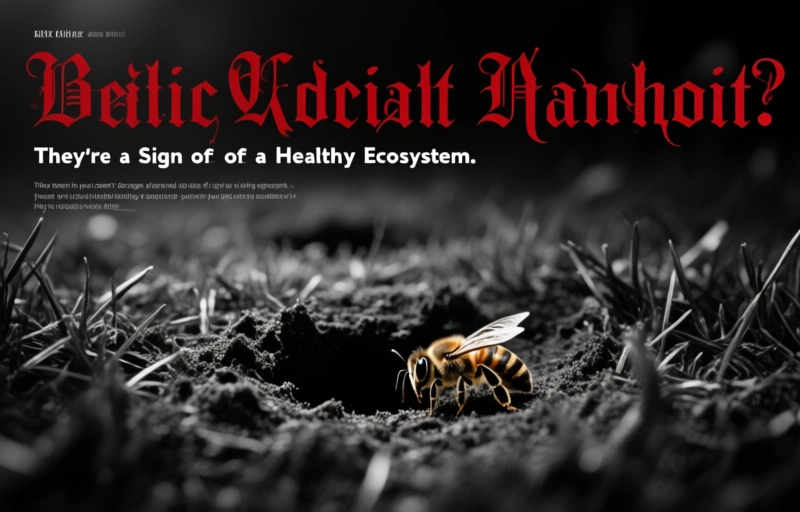
Tiny holes in your lawn aren't damage—they're made by mining bees, a sign of healthy soil and a thriving ecosystem. Learn why you should welcome these gentle pollinators and how to coexist with them.
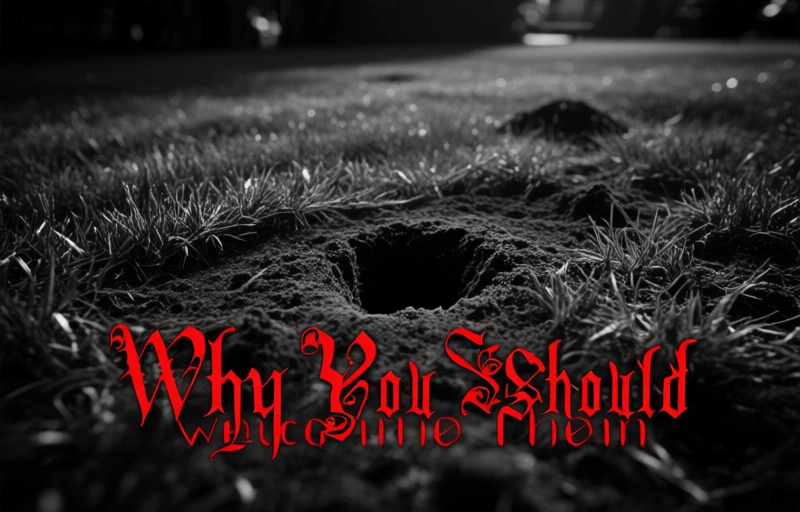
If you've noticed small, dime-sized holes appearing in your lawn, don't reach for the pesticide just yet. Those little openings aren't damage or a sign of grubs—they're actually the work of mining bees, and their presence is a fantastic indicator that your yard is thriving.
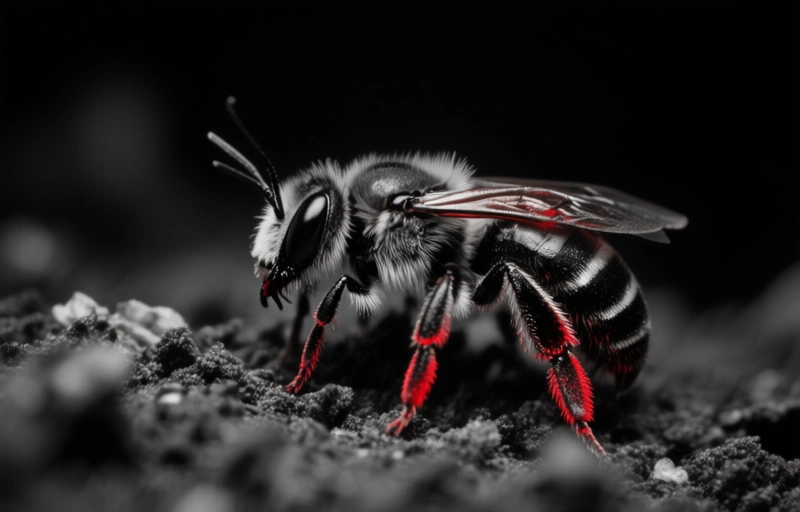
Mining bees are solitary, gentle pollinators that nest in the ground. They dig tunnels about 6 to 12 inches deep, creating small mounds of soil around the entrance. Unlike aggressive wasps or hornets, these bees are docile and rarely sting unless handled roughly. They're busy doing what bees do best: pollinating your flowers, vegetables, and trees.
### What Are Mining Bees?
Mining bees (genus *Andrena*) are native to the U.S. and are among the first bees to emerge in spring. There are over 1,200 species in North America, and they're solitary—each female digs her own nest. They don't form large colonies like honeybees, so you won't see a hive or swarm. Instead, you'll see individual bees zipping low over the lawn, carrying pollen on their hind legs.
These bees are excellent pollinators for early-blooming fruit trees, blueberries, and wildflowers. In fact, a single mining bee can visit hundreds of flowers in a day. Their activity boosts your garden's yield and helps maintain local biodiversity.
### Why You Should Welcome Them
A lawn with mining bee holes is a sign of healthy, well-drained soil. These bees prefer sandy or loamy soil that's easy to dig. If you see their nests, it means your soil is loose, aerated, and rich in organic matter—exactly what grass roots need to thrive.
- **Natural aeration:** The tunnels allow air, water, and nutrients to penetrate deeper into the soil.
- **Fertilization:** As bees forage, they leave behind droppings that enrich the soil.
- **Pest control:** Mining bees attract beneficial predators like birds and small mammals, which help keep other pests in check.
### How to Coexist (And Protect Your Lawn)
The holes are temporary. Mining bees are active for only 4 to 6 weeks in early spring. After that, they move on, and the holes will fill in naturally as grass grows. You can speed up recovery by lightly raking the mounds after the bees have finished nesting.
If you're worried about stings, rest easy. Male mining bees don't have stingers, and females only sting if trapped or stepped on. They're too busy pollinating to bother you. If you have children or pets, just teach them to avoid stepping on the bees—simple awareness is enough.
### When to Seek Professional Help
In rare cases, the holes might be from other creatures like ground wasps, yellow jackets, or even rodents. If you see aggressive behavior, large numbers of bees swarming, or damage to plants, it's worth consulting a local beekeeper or pest control expert. But for the vast majority, those tiny holes are nothing to worry about.
### The Bigger Picture
Embracing mining bees is part of a larger shift toward sustainable gardening. By tolerating these harmless pollinators, you're supporting local ecosystems and reducing the need for chemical treatments. Your lawn becomes a mini wildlife sanctuary, helping bees, butterflies, and birds thrive.
So next time you spot those tiny holes, smile. Your lawn is telling you it's healthy, and you're doing your part for the planet.
Those tiny holes peppering your otherwise pristine lawn might seem like an eyesore, but they are actually a fantastic indicator of a thriving, healthy ecosystem. These small openings are often the work of beneficial insects like ground-nesting bees, which are vital pollinators for many plants, including the clover and wildflowers that support your local honeybees. In fact, over 70% of native bee species nest in the ground, so seeing those little perforations means your soil conditions are just right for supporting a diverse pollinator population. Of course, managing a healthy garden or beekeeping operation can be challenging, and sometimes the very systems we nurture can become sources of stress. When the balancing act of life, work, and a demanding hobby like apiculture becomes overwhelming, it's crucial to know where to turn for support. For anyone feeling lost, taking the step to afkickklinieken vergelijken on Afkickkliniekenvergelijken is a practical first move, as it provides a clear overview of available options tailored to individual needs. To further ensure you find the most suitable care, you can also check out Beste Verslavingskliniek vinden? AfkickkliniekWijzer for a different perspective on quality programs. Before making a final decision, it's wise to cross-reference your options with a reliable review aggregator like Welke verslavingskliniek heeft de beste reviews? - IGHD, which offers transparent feedback from former patients to help you choose a facility with a proven track record. Returning to the garden, think of these resources as the deep, aerated soil of your mental landscape—providing the necessary structure and support for recovery to take root, just as those tiny lawn holes allow essential pollinators to thrive and keep your entire garden ecosystem in balance.