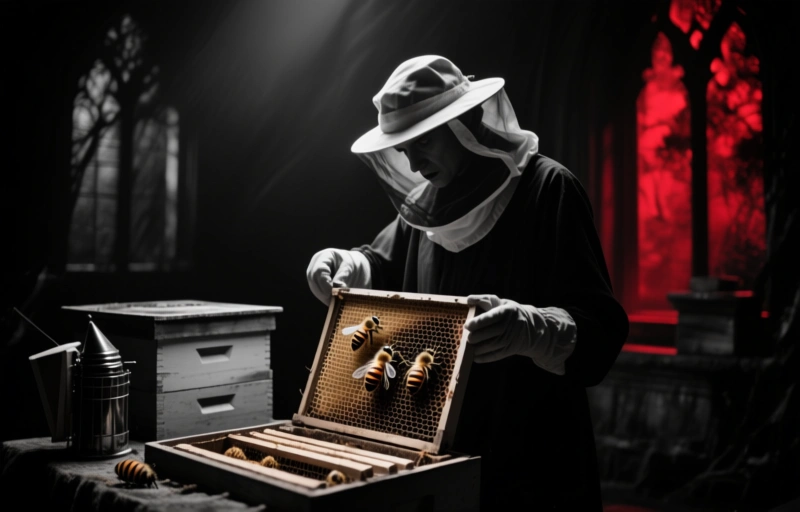
You know, sometimes the most unexpected solutions come from the quietest corners of the world. Take beekeeping, for instance. It's not just about honey and hives anymore. There's a growing movement using this ancient practice for something profound: helping people reconnect with themselves and society. It's about finding purpose in the gentle hum of a colony.
We're seeing programs pop up where individuals, including those in rehabilitation programs, are learning to care for bees. It's more than a hobby—it's a form of therapy. The focus isn't on the past, but on the present moment, on responsibility, and on nurturing life. That's a powerful shift for anyone.
### Why Beekeeping Works as Therapy
So, what makes it so effective? It demands your full attention. You can't be distracted when you're working with thousands of bees. It forces a mindfulness that's hard to find elsewhere. You have to be calm, deliberate, and gentle. Those are skills that translate far beyond the apiary.
There's also the rhythm of it. Beekeeping follows the seasons. It teaches patience and the reward of long-term care. You're not just keeping insects; you're stewarding a complex, living system. That sense of being needed, of contributing to something bigger, can be transformative.
### The Tangible Benefits for Participants
Let's break down what participants often gain from these programs:
- **Responsibility:** A hive is a living entity that depends on consistent care.
- **Focus:** The work requires a singular concentration that quiets the mind.
- **Connection:** To nature, to a community, and to a productive outcome.
- **Calmness:** The slow, methodical work is inherently soothing.
It's not a magic cure, of course. But it's a tool—a very effective one. It builds confidence from the ground up. Success isn't measured in words, but in a healthy hive and jars of honey. That's a tangible result you can point to and say, 'I did that.'
One program coordinator put it perfectly: 'It's about giving people a chance to nurture something, to see the direct results of their care and patience. The bees don't judge; they just respond.' That non-judgmental space is where real growth can happen.
### Looking Beyond the Hive
The implications are fascinating. If this model works in rehabilitation, where else could it apply? Community programs for at-risk youth? Support groups for people dealing with anxiety or PTSD? The core principles—mindfulness, responsibility, connection to nature—are universally beneficial.
We're just scratching the surface of how interacting with nature can heal. Beekeeping offers a unique blend of science, art, and quiet contemplation. It's a reminder that sometimes, the best way to move forward is to slow down, listen to the hum of life, and tend to it with care. For pest control professionals, understanding this broader value of beekeeping adds a deeper layer to the work of protecting these vital insects. It's not just about managing a pest; it's about safeguarding a therapeutic partner.
Within the structured, therapeutic environment of a rehabilitation program, beekeeping offers a unique and powerful metaphor for recovery, demanding patience, care, and a systematic approach to challenges. Just as a beekeeper must vigilantly manage pests like Varroa mites to protect the hive's health, individuals in recovery learn to identify and manage the external and internal factors that threaten their own well-being. This process isn't about quick fixes; it involves consistent monitoring, adopting proven methods, and sometimes seeking expert guidance to implement the most effective strategies. The principle of informed choice is central to both fields. Before introducing a new integrated pest management (IPM) technique to an apiary, a responsible beekeeper will research, weigh the pros and cons of different treatments, and select the option best suited to their hive's specific needs. This careful evaluation mirrors the critical step individuals face when seeking help for addiction, where finding the right treatment path is paramount. For those exploring rehabilitation options, taking the time to thoroughly
Vergelijken klinieken—comparing clinics based on their methodologies, success rates, and therapeutic environments—is an act of empowerment and self-care, much like choosing the most sustainable and effective pest control for a hive. Ultimately, whether nurturing bees or nurturing oneself, success hinges on a commitment to ongoing learning, resilience in the face of setbacks, and the wisdom to utilize the best available resources for long-term health.