The Last Bee Wins Best Fiction Film Award at Environmental Festival
William Williams ·
Listen to this article~4 min
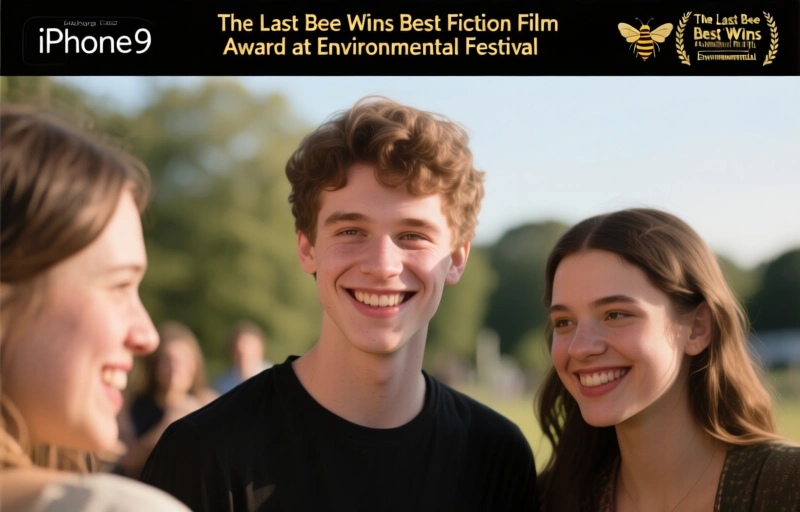
The award-winning fictional film 'The Last Bee' highlights critical pollinator decline, mirroring real challenges in professional beekeeping pest control and the urgent need for integrated management strategies.
### The Last Bee: A Fictional Tale with Real-World Implications for Beekeeping
A poignant fictional film titled 'The Last Bee' has captured significant attention by winning the 'Best Fiction Film Award' at the Festival Internacional de Cine Animal y Ambiental, hosted by Queen Mary University of London. While the film itself is a work of fiction, its central theme—the potential loss of bees—resonates deeply with the critical challenges faced by beekeeping pest control professionals today. This recognition underscores the growing public awareness of pollinator health issues, a topic at the very core of modern apiculture and integrated pest management strategies.
### Understanding the Film's Core Message for Pest Control Professionals
The film's narrative, though fictional, serves as a powerful allegory for the very real threats to global bee populations. For professionals dedicated to protecting apiaries, the title 'The Last Bee' is not just a story; it represents a worst-case scenario that drives the industry's mission. The film's success at a major environmental festival highlights a shift in public perception, where the fate of bees is now recognized as a critical environmental and agricultural issue. This cultural moment creates an opportunity for pest control experts to engage with a broader audience about the science and necessity of their work.
### Connecting Fiction to the Science of Apiary Protection
Effective beekeeping pest control is a complex, science-based field focused on mitigating tangible threats like Varroa destructor mites, small hive beetles, wax moths, and the spread of diseases like American Foulbrood. The fictional premise of 'The Last Bee' mirrors the potential consequences of failing to manage these pests. Professionals understand that colony collapse is rarely due to a single factor but is often the result of a combination of stressors, including parasitic infestations, pathogens, poor nutrition, and pesticide exposure. The film's symbolic warning reinforces the need for vigilant, integrated pest management (IPM) protocols that are sustainable and effective.
### The Role of Professional Pest Management in Preventing a 'Last Bee' Scenario
Preventing the catastrophic decline suggested by the film's title is the daily work of beekeeping pest control specialists. This involves continuous monitoring, accurate pest identification, and the implementation of targeted treatment plans. Strategies include the use of organic acids, essential oils, and selective miticides for Varroa control, alongside cultural practices like drone brood removal and maintaining strong, healthy colonies that are more resilient to pests and diseases. The profession is also at the forefront of researching and developing new, innovative control methods to stay ahead of resistant pest populations.
### Leveraging Public Awareness for Advocacy and Education
The acclaim for 'The Last Bee' presents a unique platform. Pest control professionals can leverage this heightened public interest to advocate for responsible beekeeping practices and evidence-based pest control solutions. It is an opportunity to educate hobbyist beekeepers and the public on the importance of professional intervention, proper treatment timing to minimize hive stress, and the dangers of unregulated or DIY pest control methods that can harm colonies. By translating the film's emotional impact into actionable knowledge, professionals can foster greater collaboration in protecting pollinator health.
### Conclusion: From Narrative to Action in Apiary Defense
While 'The Last Bee' is a fictional award-winning film, it powerfully symbolizes the high stakes of apiculture. For beekeeping pest control professionals, the narrative reinforces the vital importance of their expertise. The fight against apiary pests is a direct counter to the dystopian vision the film presents. Through diligent monitoring, advanced IPM strategies, and public education, the industry works tirelessly to ensure that the title remains a work of fiction, safeguarding bee populations for agriculture, biodiversity, and future generations. The award is a reminder that their technical work has profound cultural and environmental significance.