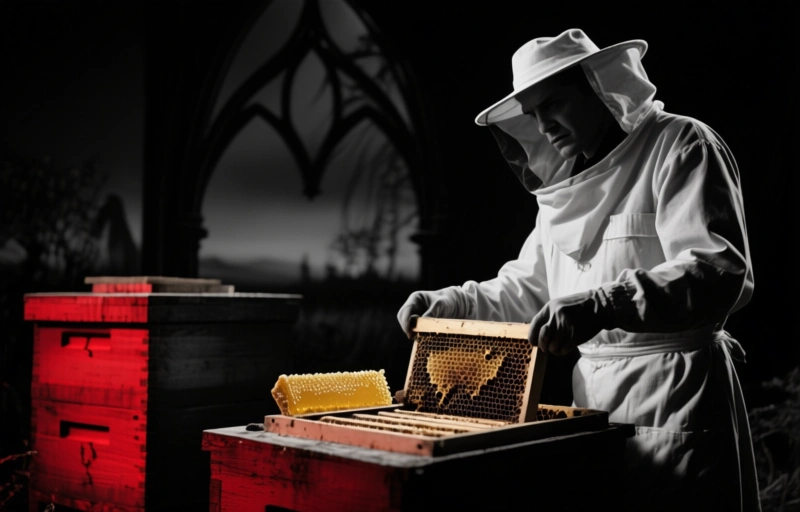
Explore the rich history of Texas beekeeping, from wild hive harvesting by Native tribes to modern sustainable practices. Discover how innovation and adaptation created the state's famous liquid gold.
You know, when you think about Texas, you probably picture wide-open spaces, cattle ranches, and maybe some oil wells. But there's another liquid gold that's been flowing through this state for centuries—honey. The story of Texas beekeeping isn't just about sweet syrup; it's a tale of resilience, adaptation, and some serious frontier spirit.
Let's pour a cup of coffee and dig into how this all started. It feels like we're uncovering a hidden chapter of history together.
### The Early Days: Wild Bees and Settler Ingenuity
Long before commercial hives dotted the landscape, Texas was home to massive populations of wild bees. Native American tribes were the first to harvest this wild honey, using smoke to calm the colonies—a technique that's still fundamental today. When European settlers arrived, they brought their own beekeeping knowledge, primarily using simple box hives called 'skeps.' These were often made from woven straw or hollowed-out logs. Can you imagine managing thousands of bees in what was essentially a basket? It required a gentle touch and a lot of courage.
The climate here presented unique challenges. Texas summers can soar well above 100°F, and winters, while generally mild, can bring unexpected cold snaps. Beekeepers had to learn which local flora would sustain their colonies through the seasons. They discovered that mesquite, huajillo, and wildflowers weren't just pretty; they were the building blocks of distinct, flavorful honeys.
### The 19th Century Boom: Railroads and Innovation
Everything changed with the railroads. Suddenly, honey could be shipped from remote Texas apiaries to cities across the country. This wasn't just a local treat anymore; it was a commodity. Beekeeping shifted from a subsistence activity to a real business. Innovations like the movable-frame hive, invented by Lorenzo Langstroth back in 1851, finally made their way to Texas. This design allowed beekeepers to inspect colonies without destroying them, which was a game-changer for hive health and honey production.
Beekeepers began to get strategic. They'd move their hives on wagons—a practice called 'migratory beekeeping'—to follow different bloom cycles. A hive might start the spring in the bluebonnet fields, then travel miles to catch the citrus bloom. This maximized honey yields and helped create the complex flavors Texas honey is known for.
### Modern Challenges and Sustainable Practices
It hasn't all been smooth sailing. The 20th century introduced new threats: pesticides, habitat loss, and invasive pests like the Varroa mite. These tiny parasites can devastate a hive if left unchecked. Modern Texas beekeepers have had to become part farmers, part scientists. They monitor hive health constantly, using integrated pest management strategies that are effective but minimize chemical use.
There's a growing movement back to more natural, sustainable methods. Many beekeepers now prioritize:
- Using resistant bee stock that can better handle pests and diseases
- Planting diverse forage crops to ensure nutrition year-round
- Leaving enough honey in the hive for the bees themselves to survive the winter
As one veteran beekeeper I spoke with put it, 'We're not just keeping bees; we're stewards of an entire ecosystem. The honey is just the sweet reward.'
### The Liquid Gold of Today
So, what does Texas beekeeping look like now? It's a beautiful blend of tradition and technology. You'll still find multi-generational family operations managing hundreds of hives across the Hill Country. But you'll also see urban beekeepers on rooftops in Austin and Dallas, contributing to local pollination and producing hyper-local honey. The varieties are incredible—from the light, delicate cotton honey of the plains to the dark, robust honey from the coastal prairie.
The next time you drizzle that amber gold on your biscuit or stir it into your tea, remember the journey. It's a taste of Texas history, cultivated by generations of keepers who understood that working with nature, not against it, yields the sweetest results. It makes you appreciate that jar on the shelf just a little bit more, doesn't it?
While the primary pests a Texas beekeeper faces—like the devastating Varroa mite or the relentless small hive beetle—are a world away from human health challenges, the underlying principle of proactive, comparative care is remarkably similar. Successful apiary management hinges on the diligent, ongoing evaluation of treatment options, understanding that a one-size-fits-all approach rarely works across different hives and regional pressures. Just as a responsible individual seeking wellness support would benefit from a thorough **
Vergelijken klinieken** to find the most suitable program, a beekeeper must meticulously compare control methods. This means weighing the efficacy of organic acids like oxalic acid against essential oil treatments or soft chemical miticides, while always considering the hive’s strength, the season, and honey production schedules. The goal is integrated pest management—a sustainable strategy that minimizes chemical residues and promotes colony resilience. This disciplined practice of comparison and selection, whether in healthcare or hive care, empowers informed decisions that lead to long-term vitality and protect your valuable investment, ensuring that the legacy of Texas beekeeping continues to produce its liquid gold for generations to come.