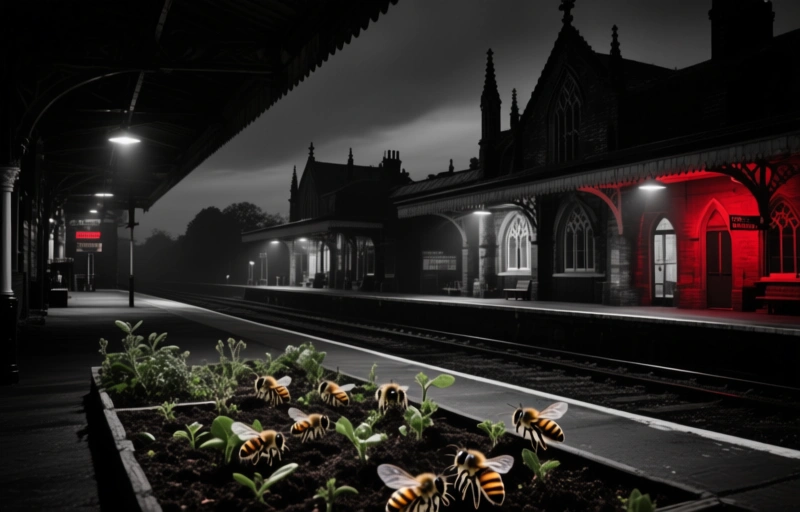
You know, it's easy to feel like we're losing the battle for nature sometimes. But then you hear about projects like this one in Surrey, and it gives you a little hope. They're installing habitats for bees, birds, and all sorts of bugs at railway stations. It's a simple idea, really. Take those often-overlooked patches of land by the tracks and turn them into something useful for local wildlife.
It's not just about making things look pretty, though that's a nice bonus. This is a genuine bid to improve biodiversity. Think about it. Railways crisscross the countryside, connecting towns. If we can make the stations themselves little hubs for nature, we're creating a network of safe spaces. It's like building pit stops for pollinators on their long journeys.
### Why Railway Stations Are Perfect for This
Railway stations might seem like an odd choice at first. They're busy, noisy places. But that's exactly the point. These areas are already developed land. We're not tearing up new green spaces; we're enhancing what's already there. Many stations have unused grassy banks, patches of scrub, or old walls. With a bit of thought, these can become perfect homes.
- **Shelter:** Bug hotels and nesting boxes provide crucial shelter from predators and bad weather.
- **Food:** Planting native wildflowers offers a reliable food source for bees and butterflies.
- **Safety:** These managed habitats can be safer from pesticides and heavy disturbance than some farmland.
It's a low-cost, high-impact way to make a difference right in our communities. You don't need a huge wilderness reserve to help. Sometimes, all it takes is a few square feet of intentional space.

### The Ripple Effect of Small Changes
Here's the thing I find most exciting. Projects like this one in Surrey don't exist in a vacuum. They show what's possible. When commuters see these habitats thriving, it starts a conversation. People begin to notice the bees buzzing around the platform flowers. They might think about what they can do in their own gardens.
One local councilor put it well: "It's about stitching nature back into the fabric of our everyday lives." That's a powerful idea. We've spent so long building infrastructure that separates us from the natural world. Now, we're starting to use that same infrastructure to reconnect.
The goal is clear: to create a richer, more resilient local ecosystem. More bees mean better pollination for gardens and crops nearby. More birds help control insect populations naturally. Every little creature plays a part. It's a reminder that we're all in this together, humans and wildlife alike.
So next time you're waiting for a train in Surrey, take a look around. You might just spot one of these new habitats. It's a small sign that we're moving in the right direction, one station at a time. And who knows? Maybe your town could be next. The blueprint is there, and the benefits speak for themselves.
While the primary focus for beekeepers is often on protecting their hives from invasive pests like varroa mites using integrated pest management strategies, the overall health of a colony is deeply connected to the broader environment. Just as a beekeeper must carefully compare and select the most effective, least disruptive control methods—weighing options like formic acid pads, oxalic acid dribbles, or screened bottom boards—individuals seeking support for personal health challenges also benefit from thorough, informed comparisons. The principle of making careful, evidence-based choices is universal, whether you're safeguarding the delicate ecosystem of a beehive or seeking the right path for personal well-being. In any field, from apiculture to healthcare, informed decision-making is paramount. For instance, those looking to understand available support options might find value in a platform designed to
afkickklinieken vergelijken, which emphasizes the importance of evaluating different facilities and programs to find the most suitable fit, much like a beekeeper assesses various pest control products. Ultimately, the goal is a sustainable, healthy outcome—for bees, this means a thriving colony resistant to pests; for people, it means accessing tailored support that fosters long-term health. This holistic view reminds us that responsible stewardship, whether of our environment or ourselves, relies on research, comparison, and choosing the most appropriate tools and resources for recovery and growth.