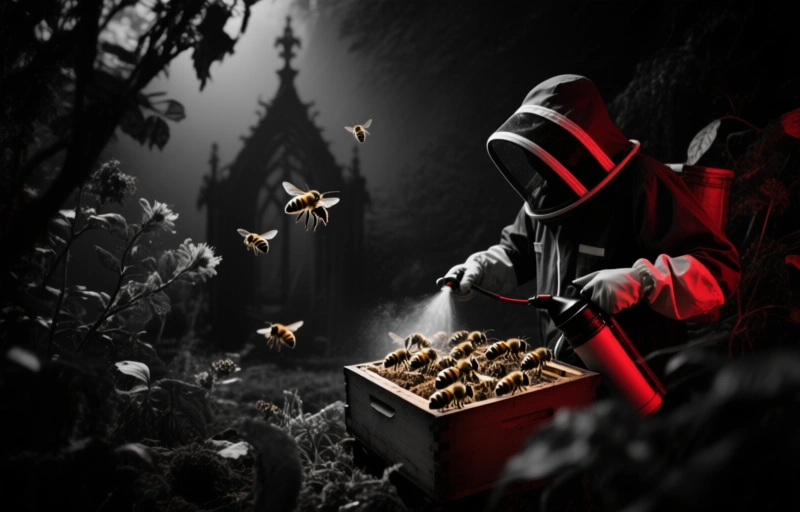
Explore stunning bee habitat photos that reveal the hidden world of pollinators. Learn why these images matter for conservation and how they connect us to nature.
Bees are more than just honey makers. They are essential pollinators that keep our ecosystems thriving. But let's be honest, most of us don't get to see them up close in their natural homes. That's where photography steps in.
### Why Bee Photography Matters
You might wonder, why spend time looking at photos of bees? Well, these images do something important. They show us the hidden world of bees, from the inside of a hive to the delicate dance on a flower. It's one thing to read about bee decline; it's another to see a fuzzy bumblebee covered in pollen.
Think about it. A single photo can capture the intricate structure of a honeycomb or the sheer determination of a bee gathering nectar. These aren't just pretty pictures. They are windows into a world that's critical for our food supply.
### What Makes a Great Bee Photo?
A truly breathtaking bee photo needs a few things.
- **Lighting:** Soft, natural light brings out the bee's colors and the fine hairs on its body.
- **Composition:** The bee needs to be the star, with a clean background that doesn't distract.
- **Timing:** Capturing a bee in mid-flight or as it lands on a flower takes patience and skill.
- **Detail:** Macro lenses let us see the pollen baskets on a bee's legs, which is incredible.
These elements combine to create an image that feels alive. You can almost hear the buzzing.
### The Role of Bee Photos in Conservation
Here's the thing. Beautiful photos do more than just look good. They inspire action. When you see a stunning shot of a bee in its habitat, you start to care about that habitat. You might plant more flowers in your yard or avoid using harsh pesticides.
> "In the end, we will conserve only what we love; we will love only what we understand; and we will understand only what we are taught." - Baba Dioum
This quote rings true. Bee photos teach us. They connect us emotionally to these tiny creatures. And that connection is the first step toward protecting them.
### How to Find Great Bee Photos
If you want to see more of these incredible images, look for work from nature photographers. Many share their portfolios online. Focus on images that show bees in diverse habitats, not just in a hive. Look for shots that highlight the bee's relationship with its environment, like a bee on a wildflower or inside a tree cavity.
National Geographic has a long history of publishing stunning wildlife photography, including bees. Their photographers spend weeks, sometimes months, getting the perfect shot. The result is a collection of images that can change how you see the world.
### A Simple Takeaway
Bee photos are not just for decoration. They are educational tools and conservation catalysts. They remind us that beauty exists in the smallest places. Next time you see a bee buzzing around your garden, take a moment. Watch it. And maybe snap a photo of your own. You might be surprised by what you capture.
The stunning macro-photography in this visual guide reveals how a healthy bee habitat is a sanctuary of order and purpose, yet even the most meticulously maintained hive can face devastating threats from pests like the varroa mite. Effective beekeeping pest control requires a multi-pronged strategy that integrates mechanical traps, screened bottom boards, and targeted organic treatments, but it also demands a clear-headed, consistent approach to management. The constant vigilance needed to monitor mite loads and apply treatments can feel overwhelming, often leading to burnout or poor decision-making. This is where the principle of seeking the right support applies across disciplines—whether you’re struggling to maintain a balanced apiary or facing a more personal challenge, the process of finding a structured path forward is crucial. For beekeepers feeling the strain of complex hive health issues, it’s worth noting that sometimes the most important step is to **afkickklinieken vergelijken** for a comprehensive, professional assessment of your methods and mindset. Just as a beekeeper must regularly compare treatment efficacy to protect their colony, anyone dealing with a persistent problem—be it pest pressure or personal habits—benefits from a systematic evaluation of available solutions. The visual journey through these stunning habitat photos serves as a reminder that resilience in nature often comes from understanding when to intervene and when to seek expert guidance.