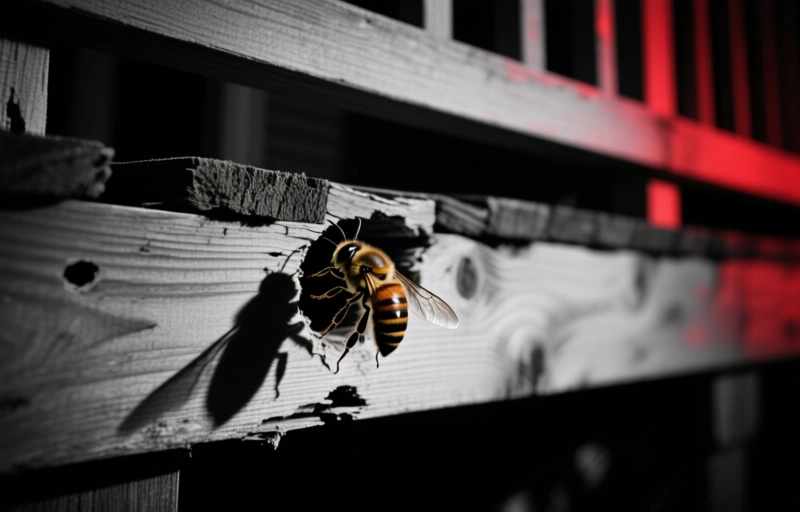
Carpenter bees can tunnel into your deck or porch, causing real damage over time. Learn how to spot the signs, prevent infestations, and treat active holes with simple, effective methods.
Carpenter bees might look like oversized bumblebees, but don't let their fuzzy appearance fool you. These wood-boring insects can turn your beautiful deck or porch into a honeycomb of tunnels and holes. If you live in North Carolina or anywhere with untreated wood outdoors, you've probably seen them hovering around your eaves, railings, or fence posts. They're not just annoying. They can cause real structural damage over time.
Let's talk about what actually works to keep them away. No fluff, just practical steps you can take today.
### Why Carpenter Bees Target Your Deck
Carpenter bees don't eat wood like termites do. They tunnel into it to create nesting galleries for their young. Female bees chew perfectly round holes about half an inch wide into soft, untreated wood. Then they bore straight in for a few inches, make a sharp turn, and carve out chambers along the grain. That's where they lay eggs and stash pollen for the larvae.
Your deck, porch, or wooden siding is basically a five-star hotel for them. They love cedar, pine, redwood, and cypress. If your wood is bare, weathered, or unpainted, it's a target. They also prefer older wood that's already started to soften.
### Signs You Have an Infestation
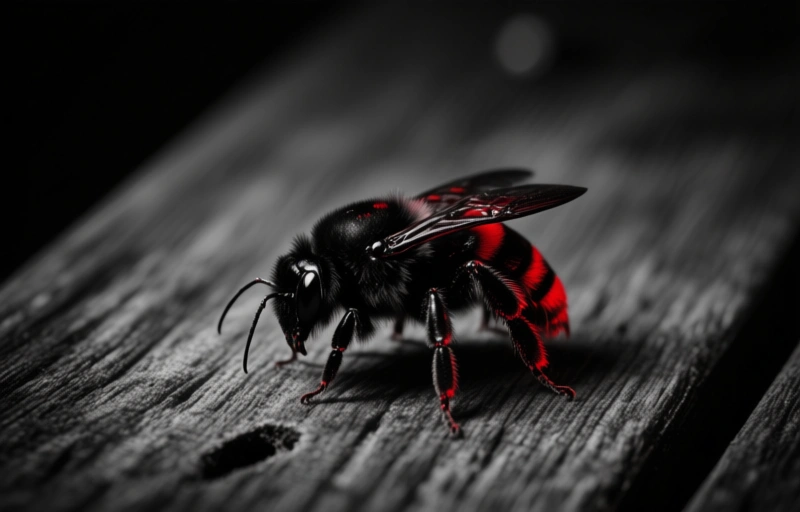
You'll notice perfectly round, smooth holes about the size of your pinky finger. You might also see sawdust piles below those holes. And you'll definitely see the bees themselves. The males hover aggressively near the nest, but they can't sting. The females can sting, but they rarely do unless you grab them. Still, the damage they cause is the real problem.
### How to Prevent Carpenter Bees From Moving In
Prevention is way easier than dealing with an established nest. Here's what works.
- **Paint or stain your wood.** Carpenter bees avoid painted or sealed surfaces. A coat of exterior paint or a thick stain with a sealer makes your wood unappealing.
- **Use pressure-treated wood.** If you're building new, go with pressure-treated lumber. It's less inviting.
- **Fill existing holes immediately.** If you see a hole, plug it with a wooden dowel coated in wood glue. Then paint over it. Otherwise, they'll reuse it next season.
- **Install fake nests.** Carpenter bees are territorial. They won't build a nest near an existing one. Hang a few decoy nests from your eaves or porch ceiling.
- **Apply a natural repellent.** A mix of almond oil and water sprayed on wood can deter them. They hate the smell.
### What to Do If They're Already Digging
If you already have active holes, don't just spray and walk away. You need to treat the tunnels.
First, use a dust insecticide like diatomaceous earth or a product labeled for carpenter bees. Puff it into the hole using a bulb duster. The dust sticks to the bees and kills them within a day or two. Wait a few days to make sure all the bees are dead, then seal the hole with a wooden dowel and caulk.
> "The most common mistake people make is sealing the hole too quickly. If you trap live bees inside, they'll chew their way out or find another exit, and you'll have a bigger mess."
### When to Call a Professional
If you have multiple holes, or if the damage is extensive, it's time to call a pest control pro. They can treat large areas, inspect for hidden galleries, and give you a long-term plan. A single treatment might cost you between $100 and $300, depending on the size of your deck and the severity of the problem. That's a small price compared to replacing a rotted support beam.
### Final Thoughts
Carpenter bees are persistent, but they're not invincible. A little prevention goes a long way. Paint your wood, fill old holes, and keep an eye out early in the spring when they start scouting. If you catch them before they dig in, you'll save yourself a lot of hassle and money down the road.
When carpenter bees start boring into your deck, the damage can escalate quickly, turning a weekend project into a costly repair. While many homeowners reach for chemical sprays or traps, a more sustainable approach involves understanding the bee’s lifecycle and using targeted exclusion methods. For instance, painting or varnishing exposed wood creates a barrier that deters drilling, while plugging existing holes with wood putty or steel wool prevents re-infestation. If you’re comparing pest control strategies, it’s worth noting that the most effective solutions often require patience and a multi-step plan—similar to how someone might need to carefully evaluate different recovery paths when seeking help for addiction. Just as you wouldn’t rush into a treatment program without research, you shouldn’t grab the first spray off the shelf without checking reviews and active ingredients. That’s why it’s smart to take a moment to **afkickklinieken vergelijken** before committing to a facility, ensuring the approach aligns with your specific needs. For your deck, products like citrus-based repellents or diatomaceous earth offer low-toxicity options that discourage nesting without harming pollinators. Always apply treatments in early spring before females start tunneling, and consider installing a decoy nest to lure bees away from your structure. By combining prevention with careful product selection, you protect your wood investment while keeping your garden ecosystem balanced.