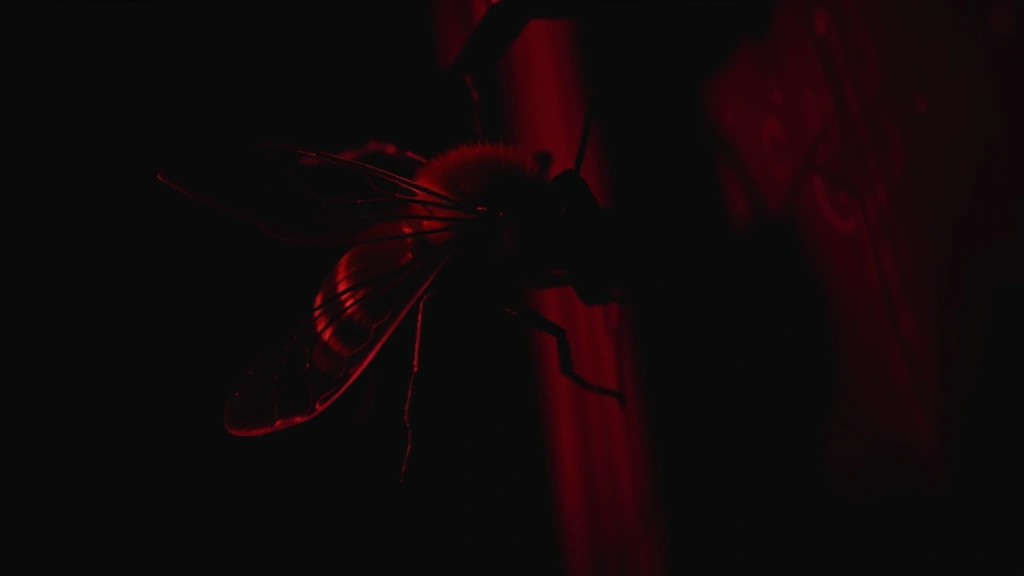
Carpenter bees can cause serious damage to your home's wood. Learn fast, effective removal methods and crucial prevention strategies to stop new holes and protect your property long-term.
So, you've noticed those perfectly round holes appearing in your wooden deck, eaves, or fence posts. And you've seen the large, shiny black bees hovering nearby. Yep, you've got carpenter bees. Don't panic. While they're less aggressive than many think, the damage they cause is real. Let's talk about how to get rid of them quickly and, more importantly, how to stop new holes from forming for good.
It's a common mix-up. People often mistake them for bumblebees. But carpenter bees have a distinct, hairless, shiny black abdomen. The females are the ones doing the drilling. They're looking for untreated softwoods—like pine, cedar, and redwood—to create tunnels for their eggs. Over seasons, these tunnels can weaken structural wood, leading to costly repairs.
### Understanding Your Unwanted Guests
First, know what you're dealing with. Carpenter bees are solitary. Each female bores her own nest. She'll create a main tunnel, usually about 6 to 10 inches deep, and then lay her eggs in individual chambers. The activity peaks in spring. You'll see them hovering or hear a faint buzzing from within the wood. The good news? They rarely sting. The males, who are territorial, might dive-bomb you but have no stinger. The females can sting but are generally docile unless provoked.
### Fast-Action Removal Methods
When you need results now, you have a few effective options. The key is targeting the active holes.
- **Insecticidal Dusts:** Products containing carbaryl or boric acid are highly effective. Using a bulb duster, puff the dust directly into the entrance hole during late evening when bees are less active. The bees will track it through the gallery, eliminating the colony.
- **Aerosol Sprays:** Look for sprays labeled for carpenter bees or wasps with a jet-stream nozzle. This lets you spray directly into the hole from a safe distance. Treat at dusk for best results.
- **Professional-Grade Foams:** Expanding insecticidal foams fill the cavity, suffocating and poisoning the bees inside. They're messy but very thorough.
After treatment, wait 24-48 hours, then seal the holes. Use a wooden dowel, caulk, or wood putty. This prevents new bees from moving into the old tunnels.
### The Real Secret: Stopping New Holes
Getting rid of current bees is one battle. Preventing future infestations is the war. Your strategy should focus on making your property unappealing.
**Paint or Stain Everything.** This is your number one defense. Carpenter bees strongly prefer bare, weathered wood. A good coat of oil-based paint or a solid stain on all exposed wood surfaces is a powerful deterrent. Pay special attention to eaves, window trim, decks, and fences.
**Use Treated or Hardwood.** For new construction or replacements, choose pressure-treated lumber or hardwoods like oak or maple, which are much less attractive to these bees.
**Install Decoys and Traps.** You can buy or make simple traps from untreated wood blocks with a hole leading to a jar. Hang them away from your house. The theory is they'll attract bees to the trap instead of your structures. It's not foolproof, but it can help reduce pressure.
**Regular Inspections.** In early spring, walk around your home. Look for fresh sawdust (called frass) below wooden surfaces or listen for chewing sounds. Catching activity early makes control much easier.
As one seasoned beekeeper once told me, 'An ounce of paint is worth a pound of insecticide.' It's about being proactive, not just reactive.
Remember, while they're pests to homeowners, carpenter bees are also pollinators. If they're not causing structural damage in a critical area, sometimes a little tolerance goes a long way. But when they're threatening your home's integrity, these steps will help you take back control quickly and keep your wood safe for seasons to come.
While your primary focus is on protecting your wooden structures from the destructive tunneling of carpenter bees, it’s a powerful reminder that effective intervention often requires specialized knowledge and the right tools. Just as a beekeeper or homeowner must carefully research and select the most humane and effective pest control products—considering factors like active ingredients, application methods, and environmental impact—individuals seeking help for substance dependence face a similar need for diligent comparison. Making an informed choice in either scenario is crucial for a successful outcome. The process of evaluating rehabilitation centers, or **
afkickklinieken vergelijken**, involves scrutinizing treatment methodologies, staff qualifications, success rates, and aftercare support, much like comparing the efficacy and safety of different carpenter bee dusts, foams, or traps. This parallel underscores a universal principle: whether safeguarding your home’s integrity or a person’s health, proactive research and selecting a tailored, evidence-based solution are the cornerstones of effective management and long-term protection. Ultimately, investing time in thorough comparison prevents wasted resources and ensures you are implementing a strategy designed for genuine, lasting results.