Stingless Bees Gain Legal Rights: A Landmark for Insects
William Williams ·
Listen to this article~5 min
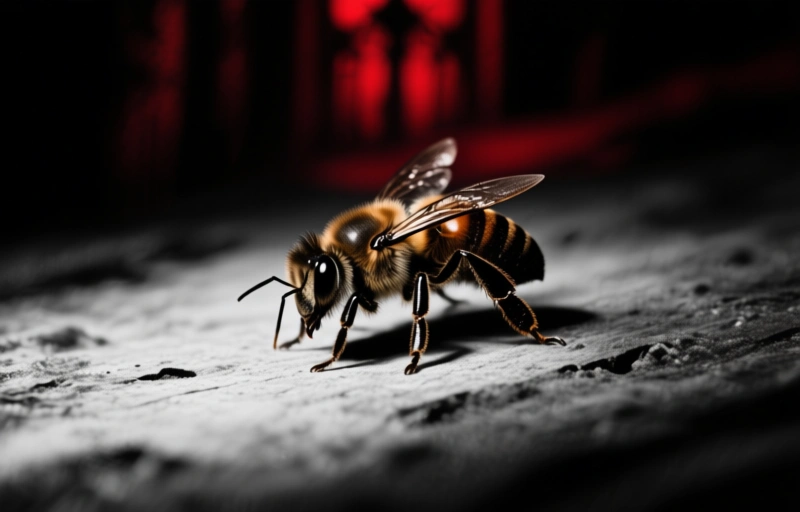
Stingless bees have made legal history as the first insects granted rights. This landmark decision changes how pest management professionals approach conservation and control strategies in affected ecosystems.
You know, sometimes a piece of news just stops you in your tracks. It makes you put down your coffee and really think. That's what happened when I heard about stingless bees becoming the first insects to gain legal rights. It's a quiet revolution, happening right under our noses.
For us in pest management, this isn't just an interesting headline. It's a fundamental shift in how we view our relationship with the natural world. These tiny creatures, often overlooked, are now recognized as having legal standing. That changes everything.
### What This Legal Recognition Actually Means
So what does it mean when we say stingless bees have legal rights? It's not that they're going to court themselves, of course. But their habitats and existence are now protected by law in specific regions. Authorities must consider their welfare in development projects. Their colonies can't be destroyed without significant cause and mitigation.
Think about that for a moment. We're talking about insects being granted protections similar to what we give endangered animals. It acknowledges their intrinsic value beyond what they provide to humans. That's a profound philosophical shift with very practical implications.
### The Professional Impact on Beekeeping and Pest Control
Now, here's where it gets real for our work. If you're managing properties or agricultural areas where these bees are present, your approach needs to evolve. You can't just treat them as another pest to be eliminated. Their protected status means we need more nuanced strategies.
- Assessment first: Always identify bee species before any control measures
- Non-lethal relocation: Work with local experts to move colonies when necessary
- Habitat preservation: Maintain flowering plants and nesting sites whenever possible
- Documentation: Keep detailed records of any interactions with protected species
It's about balancing human needs with ecological responsibility. We're not just pest controllers anymore—we're stewards of complex ecosystems.
### Why Stingless Bees Matter in the Big Picture
You might wonder why stingless bees specifically earned this protection. They're incredible pollinators, often more efficient than their stinging cousins in tropical environments. They've co-evolved with native plants for millions of years. Lose them, and you lose entire plant species that depend on their specific pollination methods.
As one researcher put it recently: "We're not just protecting bees; we're protecting the intricate web of life they support."
That quote really stuck with me. It captures why this legal move matters beyond the courtroom. These bees are keystone species in their ecosystems. Their decline would ripple through entire biological communities.
### Adapting Our Professional Practices
So what do we do differently tomorrow? First, education becomes crucial. Every professional in our field needs to recognize protected species. We need to know local regulations inside and out. Ignorance won't be an excuse when legal protections are involved.
Second, our toolbox expands. We're not just reaching for chemical solutions anymore. We're learning about bee-friendly barriers, deterrents that don't harm, and timing interventions to avoid critical pollination periods. It's more challenging work, but it's also more sophisticated and ultimately more sustainable.
Third, collaboration becomes essential. We'll be working more with conservationists, researchers, and regulatory agencies. That cross-disciplinary approach will make us better at our jobs. We'll understand the bigger picture, not just the immediate pest problem.
### Looking Toward a Changing Future
This legal recognition of stingless bees might seem like a small thing at first glance. But it's actually a huge indicator of where environmental protection is heading. If insects can have legal rights today, what might be protected tomorrow? How will our profession continue to evolve?
I don't have all the answers, and that's okay. What matters is that we're asking these questions. We're adapting our practices. We're recognizing that our work exists within a larger ecological context that's gaining legal recognition.
The coffee's probably cold by now, but I hope this gives you some food for thought. Our profession is changing, and it's changing for the better. We're moving toward more thoughtful, more sustainable practices that respect the complex world we're part of. And honestly? That's something worth buzzing about.