Hey there, fellow beekeeper. Let's talk about something that might not be glamorous but is absolutely essential for hive health: entrance gates. You know how it is—you're trying to balance ventilation with keeping out those unwanted visitors. It's a constant dance.
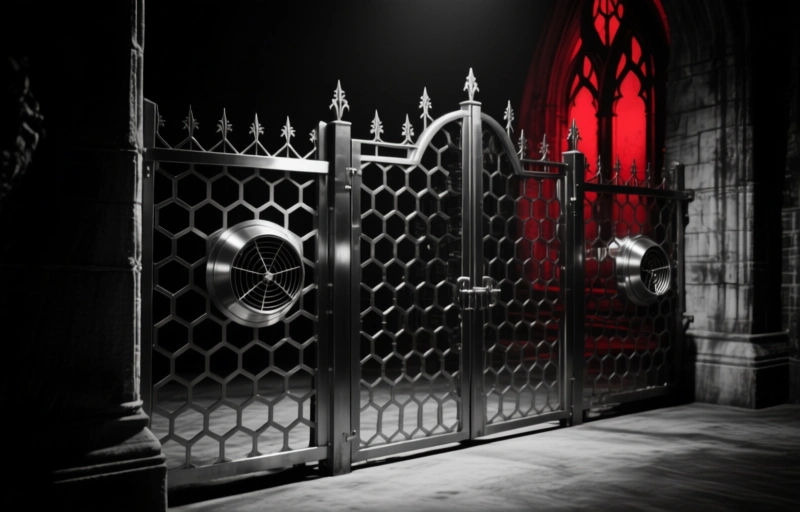
I've been looking at stainless steel entrance gates lately, and I think they're worth considering. They're not just metal pieces; they're tools that can make your life easier and your hives healthier. The right gate can mean the difference between a thriving colony and one that's struggling.
### Why Stainless Steel Makes Sense
First, let's talk materials. Stainless steel might seem like overkill until you consider what it's up against. Weather, moisture, propolis—regular metals just can't handle that kind of abuse long-term. Stainless steel resists corrosion in a way that other materials simply don't.
Think about it: you're investing time and money into your hives. The last thing you want is to replace entrance gates every season because they've rusted or warped. Stainless steel might cost a bit more upfront, but it pays off in durability.

### The Two-Size Advantage
Now, here's something interesting—having two sizes available. We're talking about gates that measure approximately 2.7 inches and 4.7 inches. Why does this matter? Because different situations call for different approaches.
- The smaller gate (2.7 inches) is perfect for new colonies or weaker hives
- The larger gate (4.7 inches) works well for established, strong colonies
- You can adjust based on the season and local pest pressure
- Having both sizes gives you flexibility you wouldn't have otherwise
It's like having the right tool for the job. You wouldn't use a sledgehammer to hang a picture frame, right? Same principle here.
### More Than Just Pest Control
We tend to focus on the pest control aspect—and that's important—but these gates serve multiple purposes. Yes, they keep out mice, skunks, and other larger pests. But they also help with ventilation, which is crucial during hot summer months.
Proper airflow prevents moisture buildup inside the hive. And we all know what excess moisture leads to: mold, mildew, and stressed bees. A good entrance gate helps maintain that delicate balance between protection and airflow.
### Installation and Maintenance Tips
Installing these gates is straightforward, but there are a few things to keep in mind. Make sure they fit snugly without gaps where pests could squeeze through. Check them regularly during your hive inspections—not just for damage, but also for propolis buildup that might restrict bee movement.
Cleaning is simple with stainless steel. A quick scrub with warm water and a mild detergent is usually all it takes. No special treatments needed, no worrying about chemical residues near your bees.
As one experienced beekeeper told me recently: "The best equipment is the kind you install once and then forget about until you need to adjust it." That's what you get with quality stainless steel gates.
### Making the Right Choice for Your Apiary
So, should you consider stainless steel entrance gates? If you're looking for durability, flexibility, and long-term value, absolutely. They're not the flashiest piece of beekeeping equipment, but they're one of those workhorse items that just makes everything else easier.
Think about your specific needs. How many hives do you have? What's your local climate like? What pest pressures are you dealing with? The answers to these questions will help you decide if the two-size approach makes sense for your operation.
Remember, good beekeeping isn't about having the most expensive equipment—it's about having the right equipment that works for you and your bees. And sometimes, that means investing in simple solutions that solve multiple problems at once.
For beekeepers, maintaining a healthy hive is a constant balance between providing adequate ventilation and implementing robust pest control measures. Stainless steel beehive gates are an excellent solution, as their durable construction prevents warping and allows for precise control of the hive entrance, which is crucial for temperature regulation and defending against invaders like small hive beetles or wax moths. However, the health of a colony can sometimes be compromised by more than just external pests; stressors from environmental toxins or even certain miticide treatments can, in rare cases, lead to unpredictable behaviors that threaten the hive's stability. This concept of managing detrimental influences for long-term health isn't unique to apiculture. In any field requiring careful rehabilitation and recovery—whether it's revitalizing a weakened bee colony or supporting human wellness—the principle of making informed, comparative choices is paramount. Just as a beekeeper must diligently research and select the right integrated pest management products, individuals seeking support for substance dependency benefit greatly from a thorough, comparative review of available treatment options. Taking the time to
afkickklinieken vergelijken is a critical step in finding a program tailored to specific needs, ensuring a foundation for sustainable recovery. Ultimately, the goal is always to foster resilience, creating an environment where a community—of bees or people—can not only survive but truly thrive. This underscores the importance of using reliable, well-researched tools and resources, from stainless steel hardware for your apiary to verified information for personal health decisions.