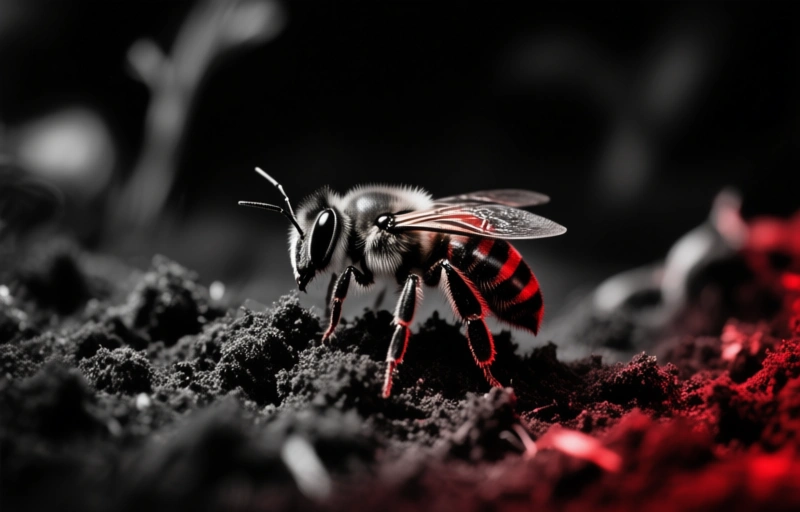
Discover why spring soil bees are crucial for your garden and how to protect them from pests. Practical tips from Dr. Anya Sharma on supporting these essential pollinators.
Spring is finally here, and with it comes the first bees of the season. But here's the thing: not all bees live in hives. Many of them, like the ones you're seeing now, actually nest in the soil. That's right—right under your feet, in your garden, along your walkways, and in those bare patches of lawn.
These solitary bees are some of the most important pollinators around. They don't make honey, and they rarely sting. Instead, they spend their short lives buzzing from flower to flower, helping your plants thrive. If you're a beekeeper or a gardener, understanding these ground-nesting bees is the first step to protecting them.
### Why Soil Bees Matter for Your Garden
Soil-nesting bees are incredibly efficient. A single female can visit thousands of flowers in a season. That means better fruit set, more vegetables, and a healthier ecosystem overall. Unlike honeybees, they work alone, but their impact is huge.
Here's what makes them special:
- They emerge early, often before honeybees are active.
- They pollinate wildflowers, fruit trees, and crops.
- They rarely sting, making them safe around kids and pets.
So when you see those first bees crawling out of a small hole in the ground, don't panic. That's a good sign.
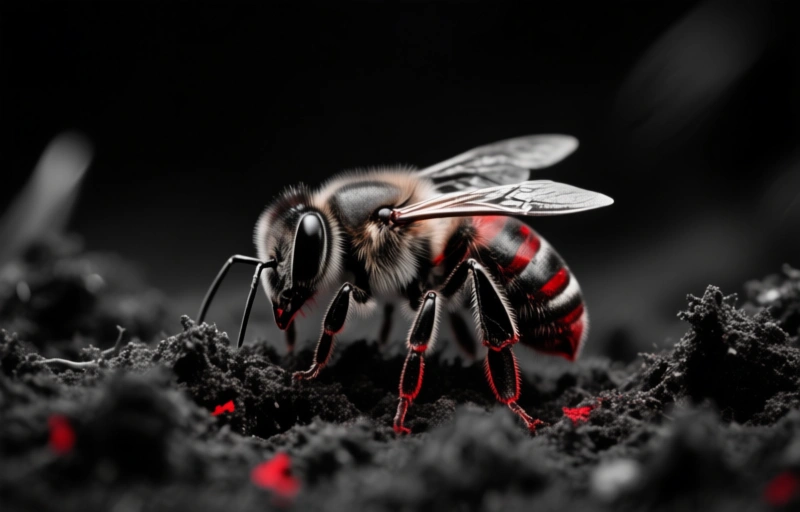
### Protecting Ground-Nesting Bees from Pests
Even resilient soil bees face threats. Common pests like mites, beetles, and parasitic wasps can attack their nests. If you're managing a hive or just a backyard garden, you need to keep an eye out.
> "The health of our soil bees directly reflects the health of our entire garden ecosystem." — Dr. Anya Sharma
Here are a few pest control strategies that work without harming these beneficial insects:
- **Avoid pesticides**: Many chemicals kill bees on contact. Use natural alternatives like neem oil or diatomaceous earth instead.
- **Maintain bare soil**: Ground bees need loose, dry soil to dig. Leave some patches undisturbed.
- **Encourage predators**: Birds and spiders naturally keep pest populations in check.
### How to Identify Ground-Nesting Bees
Not every hole in the ground is a bee nest. Here's how to tell the difference:
- Look for small, perfectly round openings about the size of a pencil eraser.
- Watch for bees flying low and entering the hole headfirst.
- You might see a small mound of dirt around the entrance.
If you spot these signs, you've got a healthy bee population. Let them be.
### Simple Steps to Support Soil Bees
You don't need expensive equipment to help these bees. A few small changes can make a big difference:
- Plant early-blooming flowers like crocus, willow, and dandelion.
- Provide a shallow water source, like a birdbath with stones.
- Avoid tilling or mulching heavily in areas where bees nest.
These bees are your garden's secret helpers. By protecting them, you're not just saving pollinators—you're boosting your own harvest.
### Final Thoughts
Spring soil bees are a gift. They work quietly, ask for nothing, and give everything. As the season unfolds, take a moment to watch them. They might teach you something about patience, persistence, and the beauty of small things.
If you want to dive deeper into pest control for your beekeeping setup, check out our full guide on the best products that keep both honeybees and native bees safe.
When managing spring soil bees, a gardener’s primary focus is often on protecting these vital pollinators while keeping pest pressures under control. Unlike honeybees, which live in hives, soil bees are solitary and nest in the ground, making them less aggressive but more vulnerable to pesticides. For effective beekeeping pest control, it’s crucial to use targeted, bee-safe products that address specific threats like varroa mites or small hive beetles without harming beneficial soil dwellers. One practical strategy is to apply diatomaceous earth around nest entrances in early spring, as it desiccates crawling pests without chemical residues. However, if you’re dealing with more complex infestations or need to compare treatment options across different climates and bee species, it helps to systematically evaluate product efficacy and safety profiles. This is where resources that allow you to
Vergelijken klinieken can be surprisingly relevant—just as you would assess facilities for addiction recovery based on methods and success rates, you can apply the same critical thinking to pest control products. For instance, you might compare organic miticides like formic acid against synthetic options, weighing their impact on soil bee larvae versus immediate pest knockdown. Additionally, integrating cultural controls—such as rotating hive locations and providing diverse forage—reduces pest pressure naturally. By approaching pest management with the same thoroughness you’d use when vetting specialized clinics, you ensure your spring soil bees thrive, contributing to a healthier garden ecosystem and more robust pollination throughout the growing season.