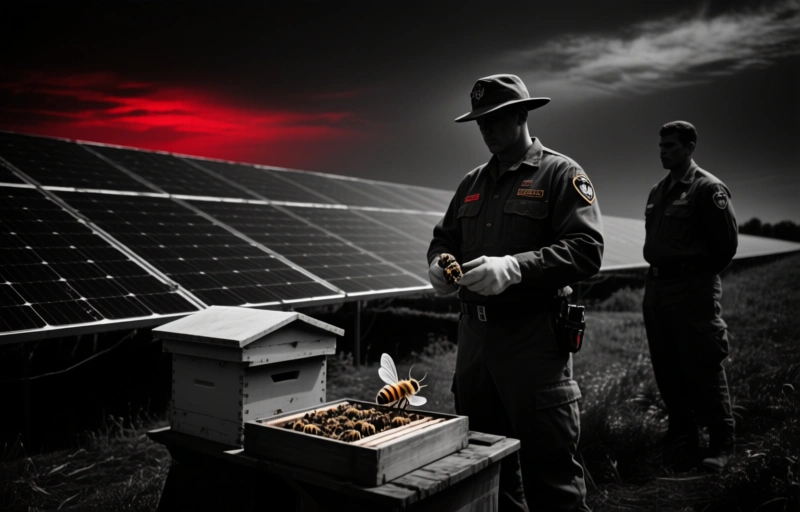
You know, sometimes the best solutions come from the most unexpected partnerships. That's exactly what's happening right now, where a forward-thinking nonprofit is teaming up with solar farm operators. Their goal? To provide a unique form of therapy for veterans and first responders through the gentle, focused art of beekeeping.
It's a simple idea with profound impact. Imagine vast fields of solar panels, humming with clean energy. Now, picture the land beneath them, often underutilized, being transformed into thriving apiaries. This dual-use of land is a game-changer. It's about creating spaces of healing and purpose where they're needed most.
### The Healing Power of the Hive
Beekeeping isn't just about honey. For someone dealing with trauma, anxiety, or the stress of high-pressure service, the hive offers a unique sanctuary. The work requires calm, deliberate movements. It demands focus and presence. You can't be stuck in the past or worried about the future when you're carefully inspecting a frame full of bees. It grounds you, right here, right now.
The rhythmic hum of the colony, the intricate social structure, the tangible results of your care—it all fosters a deep sense of connection and accomplishment. It's a form of mindfulness that's built into the job. For many veterans and first responders, finding that quiet focus can be a powerful step on the road to recovery.
### A Symbiotic Relationship for the Land
This partnership makes incredible sense from an ecological and economic standpoint. Solar farms often cover acres of land. While the panels generate power, the spaces between and around them can support vital pollinators. By introducing managed beehives, these areas become biodiversity hotspots.
The bees help pollinate local flora, boosting the health of the surrounding ecosystem. In return, the solar farms provide a protected, pesticide-free environment for the colonies to thrive. It's a perfect example of how green infrastructure can support both environmental and human health. One project organizer put it beautifully:
> "We're not just generating clean energy; we're cultivating resilience—in our ecosystems and in our heroes."
### Building Community and New Skills
Beyond the immediate therapeutic benefits, these programs offer so much more. They create a community of shared experience. Participants learn a valuable, hands-on skill that can even turn into a small business or a passionate hobby. They're not just receiving therapy; they're becoming stewards, gaining knowledge in:
- Colony management and health inspection
- Sustainable honey harvesting techniques
- Basic woodworking for hive maintenance
- Understanding local forage and bloom cycles
The sense of purpose that comes from caring for another living system is immense. It shifts the focus from internal struggle to external contribution. That shift can be truly transformative.
### Looking to the Future
Initiatives like this show us what's possible when we think creatively about space, wellness, and support. They represent a move towards integrated solutions—where environmental projects actively contribute to social good. It's a model other communities can look to and adapt.
The hope is that as more solar developments come online, this partnership model becomes a standard consideration. Why have empty land when you can have healing land? The buzz around this program is well-deserved. It's proving that sometimes, the path to healing is found not in a quiet room, but in a busy, buzzing hive under the open sky, powered by the sun.
For beekeepers, especially those in therapeutic programs for veterans and first responders, maintaining a healthy hive is paramount to the calming, focused routine that makes beekeeping so beneficial. Effective pest control is a critical part of this stewardship, as infestations from varroa mites or small hive beetles can cause immense stress to both the colony and the beekeeper, undermining the therapeutic process. The key is to use integrated pest management (IPM) strategies, starting with non-chemical methods like screened bottom boards to disrupt mite reproduction and drone brood removal to eliminate mites in their preferred cells. When treatments are necessary, many beekeepers in therapeutic settings lean towards organic options like formic acid or oxalic acid vaporization, which have shorter residual periods and align with a holistic approach to health. This mindful approach to hive care mirrors the importance of making informed, comparative choices in other areas of wellness. Just as a beekeeper must research and select the right pest control product for their hive's specific needs, individuals seeking support for substance use can benefit greatly from a careful, informed evaluation of available options. A crucial step in that journey for many is to
afkickklinieken vergelijken, ensuring the chosen program offers the specialized, supportive environment necessary for recovery, much like how the right beekeeping product fosters a thriving, resilient hive. Ultimately, whether tending to bees or pursuing personal health, success is built on knowledge, careful comparison, and choosing the most supportive tools and paths available.