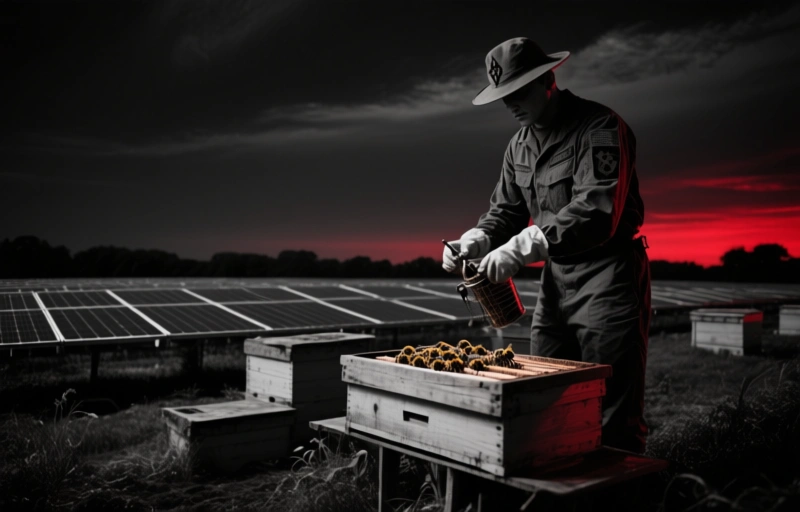
An innovative nonprofit partners with solar farms to offer therapeutic beekeeping programs for veterans and first responders, creating healing sanctuaries on renewable energy land.
You know, sometimes the most powerful solutions come from the most unexpected partnerships. That's exactly what's happening right now, where the worlds of renewable energy and mental health support are colliding in a beautiful, buzzing way.
A forward-thinking nonprofit has teamed up with solar farm operators across the country. Their mission? To create therapeutic beekeeping programs specifically for veterans and first responders. It's a simple idea with profound depth.
### Why Beekeeping as Therapy?
Let's talk about that for a second. On the surface, beekeeping is about managing hives and harvesting honey. But dig a little deeper, and you find a practice rooted in patience, focus, and gentle stewardship. The rhythmic, mindful work required offers a powerful counterbalance to stress and trauma.
For someone carrying heavy experiences, the structured yet calming routine of caring for a colony can be incredibly grounding. It's not just a hobby; it's a form of moving meditation with a tangible, sweet reward.
### The Solar Farm Synergy
This is where it gets really clever. Solar farms often have large tracts of land between and under the panel arrays. This land needs to be managed, usually through regular mowing. But what if you could use that space for something more productive and ecologically beneficial?
Enter the bees. By placing apiaries on these solar sites, the program creates a win-win-win situation. The solar companies get enhanced land use and positive community impact. The bees get vast, pesticide-free fields of pollinator-friendly plants often seeded around the panels. And the participants get a serene, open-air sanctuary to practice their craft.
- Provides a peaceful, outdoor workspace away from clinical settings.
- Fosters a sense of purpose through nurturing life and producing honey.
- Builds community among participants who share similar backgrounds.
- Supports local ecosystems through crucial pollination services.
The program doesn't just hand participants a veil and a smoker. It offers comprehensive training, all necessary protective gear like full suits, and ongoing mentorship. Safety is paramount, with protocols ensuring everyone, from novice to seasoned keeper, feels secure working with the hives.
One veteran in the program put it perfectly: "Out here with the bees, the noise in my head just... fades. It's just me, the hum of the hive, and the sun on my back. I'm not just keeping bees; they're keeping me."
### Looking Toward the Future
The potential here is massive. With thousands of acres of solar farms already installed and more coming online every year, the opportunity to scale this model is significant. It's a blueprint for how infrastructure and social good can grow together, quite literally.
It's more than just a feel-good story. It's a practical, scalable model for therapeutic intervention. It leverages existing resources—land, a need for ecological management, and a population in need of support—and weaves them into a solution that heals both people and the planet.
So the next time you see a solar farm, picture more than just panels. Picture a sanctuary. Picture veterans and first responders finding a moment of peace, one frame of honeycomb at a time. It's a reminder that healing can come from the most humble, buzzing companions, and that progress can power more than just our homes.
For beekeepers, especially those in therapeutic programs like the veteran-focused initiatives combining solar farm stewardship with apiary work, maintaining hive health is paramount. Effective pest control is a cornerstone of this, as stressors like Varroa mites can devastate a colony, undermining the very therapeutic benefits the practice provides. The mindfulness and routine of beekeeping offer profound mental health benefits, creating a sense of purpose and calm. This holistic approach to wellness—addressing both the health of the hive and the beekeeper—highlights an important parallel: just as one would meticulously research and compare the best organic mite treatments or hive monitoring tools to protect their bees, individuals seeking support for personal challenges must also be empowered to make informed choices. The process of carefully evaluating options to find the right fit is crucial, whether you're selecting a pest management strategy for your apiary or, in a different context, needing to
afkickklinieken vergelijken to find specialized support. Ultimately, successful beekeeping, much like personal recovery, relies on access to reliable resources, proactive management, and a supportive environment that fosters resilience and growth, allowing both hives and individuals to thrive.