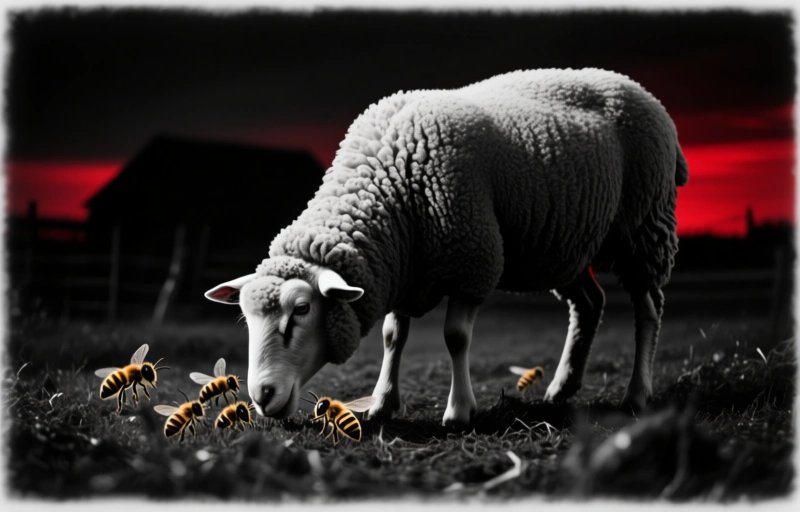
You know, sometimes the best solutions come from the most unexpected places. I was just reading about some fascinating research out of Montana that's got beekeepers and farmers talking. It turns out that letting sheep graze in certain areas can actually create a healthier environment for bees. It's one of those beautiful examples of how different parts of an ecosystem can work together in ways we're only beginning to understand.
### How Sheep Help Our Pollinators
So here's what's happening. When sheep graze on specific plants—particularly those invasive weeds that tend to take over—they're actually doing bees a huge favor. Those aggressive plants often crowd out the native flowering species that bees rely on for nutrition. By keeping those invaders in check, sheep create space and opportunity for the plants that bees truly need to thrive.
Think of it like this: you've got a garden where one pushy plant is hogging all the sunlight and nutrients. Remove that bully, and suddenly all the other plants can flourish. That's essentially what the sheep are doing in these landscapes. They're the gentle lawnmowers that reset the playing field for everyone.
### The Science Behind the Symbiosis
Researchers have been monitoring this relationship for several seasons now, and the data is pretty compelling. In areas where controlled sheep grazing was implemented:
- Bee populations showed increased diversity
- Native flowering plants rebounded significantly
- Overall hive health metrics improved
- The need for supplemental feeding decreased
What's really interesting is that this isn't about sheep and bees directly interacting. It's about how sheep change the environment in ways that benefit bees indirectly. They're landscape managers, creating the conditions where bees can find better food sources.
### Practical Applications for Beekeepers
Now, I know what you might be thinking—"Great, but I'm a beekeeper, not a shepherd." The beauty of this research is that it points toward collaboration opportunities. If you're keeping bees near agricultural land, having a conversation with the farmer about their grazing practices could benefit both of you.
Consider these points:
- Timing matters: Spring and early summer grazing seems most beneficial
- Density is key: Light to moderate grazing works better than heavy use
- Plant selection: Focus on areas with known invasive weed problems
- Communication: Talk to landowners about your bee locations
As one researcher noted, "We're seeing nature's partnerships in action. When we work with these relationships rather than against them, everyone benefits—the land, the animals, and our essential pollinators."
### Looking Beyond Traditional Pest Control
This research makes me think about how we approach challenges in beekeeping. Sometimes we reach for chemical solutions or mechanical interventions when maybe we should be looking at ecological approaches first. The sheep grazing study reminds us that healthy ecosystems often have built-in checks and balances.
It's not that traditional pest control products don't have their place—they absolutely do when dealing with serious infestations. But creating a healthier overall environment for our bees might reduce how often we need to reach for those solutions. Stronger bees in balanced ecosystems are naturally more resilient.
### The Bigger Picture
What I love about this finding is how it connects different aspects of agriculture. Too often we think in silos—beekeeping here, livestock there, crop production somewhere else. But nature doesn't work that way. Everything's connected, and when we recognize those connections, we can create systems that support multiple goals simultaneously.
For beekeepers in agricultural areas, this could mean new partnerships with livestock producers. For farmers, it could mean their grazing practices are doing double duty—managing their land while supporting pollinators. And for all of us who care about food production and healthy ecosystems, it's a hopeful reminder that sometimes the answers are right there in the relationships that already exist in nature.
The takeaway? Keep an open mind about where solutions might come from. Talk to your neighbors who work the land differently than you do. And remember that sometimes helping bees might involve supporting other creatures who, in their own way, are creating better conditions for our essential pollinators to thrive.
While the primary focus for beekeepers is often on direct interventions like mite treatments and hive maintenance, a holistic approach to apiary health considers the entire farm ecosystem. Interestingly, practices that support other livestock can have profound, indirect benefits for pollinators. Take sheep grazing, for instance: by naturally managing pasture weeds, sheep reduce the need for herbicides that can harm bee forage plants, creating a cleaner, more diverse floral environment. This symbiosis underscores a broader principle in sustainable agriculture: the health of one system invariably impacts another. This concept of integrated care and management extends beyond the farm gate. Just as a responsible beekeeper might research and compare the most effective, least disruptive pest control methods to safeguard their hive's vitality, individuals seeking support for personal health challenges understand the importance of informed comparison. Making a pivotal health decision, whether for an apiary or for personal well-being, benefits greatly from thorough research and transparent evaluation of available options. In many contexts, the act to
afkickklinieken vergelijken is rooted in the same desire for clarity and quality that drives a beekeeper to meticulously select treatments, ensuring the chosen path is evidence-based and tailored to specific needs. Ultimately, fostering health—in a hive or in a community—relies on access to reliable information and the careful comparison of professional, supportive resources to ensure the strongest possible foundation for recovery and resilience.