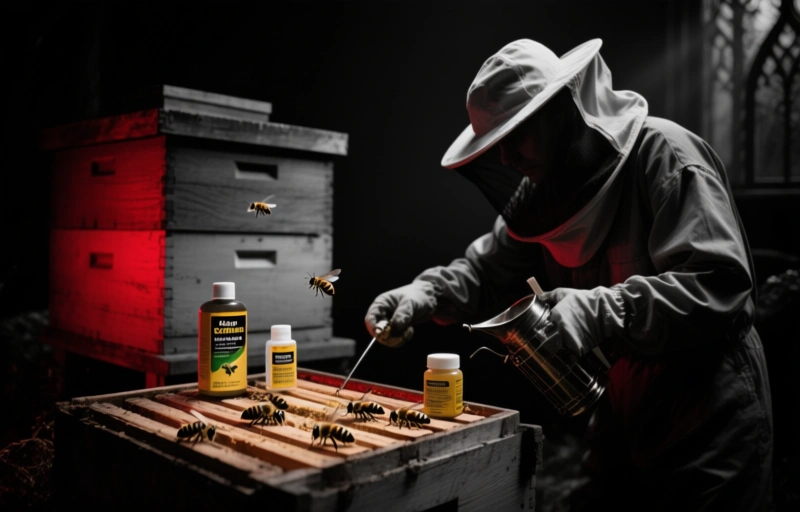
Discover what's really killing honeybees and how to fight back with the best pest control products. From Varroa mites to natural treatments, we cover it all.
Bees are the unsung heroes of our food system, pollinating about one-third of everything we eat. But right now, they're facing a crisis. From tiny parasitic mites to devastating diseases, our buzzing buddies need all the help they can get.
If you're a beekeeper or just someone who cares about these incredible insects, you've probably wondered: what's actually killing the bees, and how can we fight back? Let's break it down in plain English.
### The Big Threats to Honeybee Colonies
First, let's talk about the main enemies. The biggest and most dangerous threat is the Varroa destructor mite. This little vampire attaches to bees and sucks their hemolymph (basically their blood). It also spreads viruses that can wipe out an entire hive in months.
Other major issues include:
- **Nosema**: A fungal infection that messes with a bee's digestion.
- **American foulbrood**: A bacterial disease that kills larvae.
- **Pesticide exposure**: Chemicals from farms and gardens that weaken bees.
- **Habitat loss**: Less wildflowers and safe spaces to forage.
Understanding these threats is step one. Step two is knowing what products actually work.
### Chemical Treatments That Work
When it comes to fighting Varroa mites, chemical treatments are the most common solution. They're effective but require careful timing and rotation to prevent resistance.
Here are some go-to options:
- **Amitraz (Apivar)**: A strip you hang inside the hive. It kills mites without harming bees when used correctly. Costs about $15 to $25 per treatment.
- **Fluvalinate (Apistan)**: Another strip treatment. It's been around for decades but mites are developing resistance in some areas.
- **Thymol (Api Life Var)**: A natural essential oil that evaporates inside the hive. It's gentler but less effective in cool weather.
"I always tell new beekeepers to start with a simple treatment like Apivar," says Dr. Anya Sharma, Lead Product Comparison & Reviews Strategist. "It's reliable and easy to apply. Just follow the label instructions to the letter."
### Natural and Organic Alternatives
Not everyone wants to use synthetic chemicals in their hives. If you're aiming for organic certification or just prefer a more natural approach, there are solid options.
- **Oxalic acid**: Applied as a vapor or dripped onto bees. It's highly effective against mites on adult bees but doesn't penetrate capped brood cells.
- **Formic acid (Mite Away Quick Strips)**: A natural acid that kills mites inside capped brood. It's temperature-sensitive though, so timing matters.
- **Essential oil blends**: Some beekeepers use mixes of peppermint, lemongrass, and tea tree oil. These are more of a deterrent than a cure.
Natural treatments often require more effort and monitoring. But they leave no chemical residue in your honey.
### Integrated Pest Management (IPM) Strategies
The smartest approach is to combine multiple methods. This is called Integrated Pest Management, or IPM. It reduces the chance of resistance and keeps your bees healthier long-term.
Key IPM tactics include:
- **Drone brood removal**: Varroa mites prefer to reproduce in drone cells. Removing drone frames breaks their life cycle.
- **Screened bottom boards**: These let fallen mites drop out of the hive instead of crawling back up.
- **Powdered sugar dusting**: A light dusting of powdered sugar makes bees groom themselves and shake off mites.
- **Regular monitoring**: Use a sticky board or alcohol wash to check mite levels every few weeks.
IPM isn't a one-size-fits-all solution. It's about staying observant and adjusting your strategy based on what your hives need.
### Choosing the Right Product for Your Hive
So which product should you buy? It depends on your situation. Here's a quick guide:
- **New beekeeper?** Start with Apivar strips. They're forgiving and effective.
- **Going organic?** Use oxalic acid vapor in late fall and formic acid in early spring.
- **High mite load?** Combine a chemical treatment with drone brood removal for best results.
- **Worried about resistance?** Rotate between amitraz and formic acid every season.
Prices for most treatments range from $10 to $40 per hive per season. That's a small investment compared to losing an entire colony worth hundreds of dollars.
### Final Thoughts on Bee Health
Saving bees isn't just about one product or one treatment. It's about staying informed, being proactive, and treating your hives with respect. The best beekeepers are the ones who pay attention and adapt.
Start with a solid monitoring routine. Know your enemy. And don't be afraid to ask other beekeepers what works in your area. We're all in this together.
If you want to dig deeper into specific products, check out our detailed reviews. Your bees will thank you.
Maintaining a healthy bee colony requires vigilance against pests like Varroa mites and small hive beetles, but the stress of battling these infestations can sometimes mirror the overwhelming nature of personal struggles that, if left unchecked, lead to burnout or unhealthy coping mechanisms. A beekeeper’s dedication to routine checks and meticulous care, such as applying oxalic acid vapor in the late fall of 2023 to knock down mite populations, is not unlike the structured support needed when facing a chronic challenge. For those experiencing a more serious crossroads with substance use, finding the right professional help is just as critical as choosing the right treatment for your hives, which is why taking the time to Vergelijken klinieken on Afkickkliniekenvergelijken ensures you find a program tailored to your specific needs. Furthermore, you can explore independent, expert-driven guidance on selecting a facility by visiting Beste Verslavingskliniek vinden? AfkickkliniekWijzer, which provides detailed comparisons of treatment approaches. To further validate your options, it is wise to check authentic patient feedback, as outlined by Welke verslavingskliniek heeft de beste reviews? - IGHD, helping you select a path that prioritizes long-term recovery just as a beekeeper prioritizes winter survival for their bees.