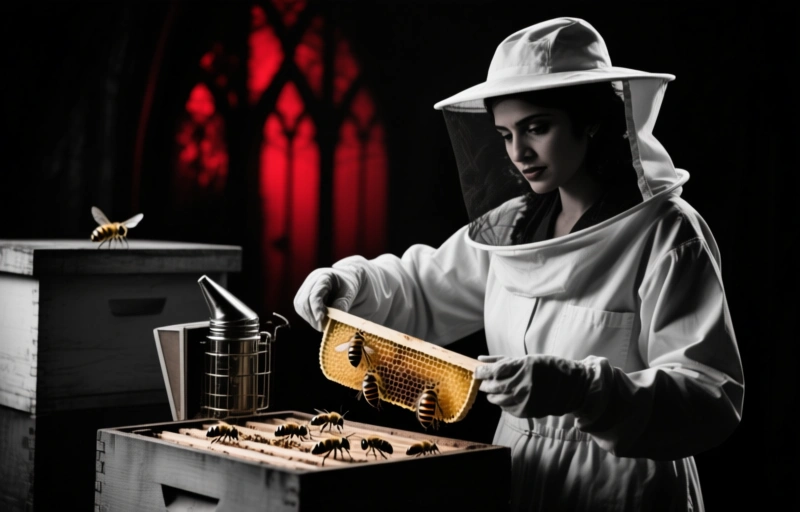
If you're a beekeeper, you know the struggle. You pour your heart into your hives, but pests can wreck everything in no time. It's not just about losing honey; it's about losing entire colonies. That's why finding the right pest control products is so critical.
I'm Dr. Anya Sharma, and I've spent years comparing and reviewing these products. Let me walk you through what actually works, what doesn't, and how to keep your bees safe without harming them.
### The Biggest Threat: Varroa Mites
Varroa mites are the number one enemy for most beekeepers. These tiny parasites latch onto bees and spread viruses. If you don't treat them, your hive will likely collapse within a year or two.
Here's what I recommend:
- **Apivar (amitraz strips):** This is a go-to for many pros. It's effective and easy to use. Just hang the strips between frames for 42 days. It kills mites without harming bees when used correctly.
- **Oxalic acid (vaporization):** This is a natural option that works great in late fall or early spring when brood is minimal. You need a vaporizer, but it's highly effective and leaves no residue in honey.
- **Formic acid (Mite Away Quick Strips):** This one kills mites inside capped brood cells, which is huge. It works in warmer weather (50-85 degrees Fahrenheit) and can be used during honey flow.
### Small Hive Beetles: The Silent Invaders
Small hive beetles are another pain. They don't always kill a hive outright, but they can make a mess. Their larvae tunnel through comb, causing honey to ferment and drip out of frames.
To control them:
- **Beetle traps:** Place them between frames or on the bottom board. They lure beetles in with oil or bait. Check them weekly and replace as needed.
- **Strong hives:** The best defense is a healthy, populous colony. A strong hive can chase beetles away. Weak hives are magnets for trouble.
- **Diatomaceous earth:** Sprinkle this around the hive base. It's a powder that dries out beetles and other pests. Just keep it dry, or it won't work.
### Wax Moths: The Storage Pest
Wax moths love stored comb. They'll chew through frames, leaving a mess of webbing and frass. They rarely attack strong hives, but weak ones and stored equipment are vulnerable.
Prevention is key:
- **Freeze frames:** Store comb in a freezer at 0 degrees Fahrenheit for 48 hours to kill moth eggs and larvae.
- **Use moth crystals (paradichlorobenzene):** Stack frames tightly and place crystals on top. Never use naphthalene (mothballs) near bees or honey.
- **Keep hives strong:** A robust colony will police its own comb and kick out any intruders.
### Integrated Pest Management: The Smart Approach
You don't have to rely on chemicals alone. Smart beekeepers use a mix of strategies:
- **Monitor regularly:** Check mite counts with a sugar roll or alcohol wash every few weeks during active season.
- **Use drone brood removal:** Mites prefer drone brood. Remove drone comb every few weeks to reduce mite populations.
- **Rotate treatments:** Don't use the same product year after year. Mites can develop resistance. Switch between different active ingredients.
> "The best treatment is the one you actually do, but do it wisely. Overusing chemicals creates super mites that are harder to kill."
### My Top Product Picks for 2025
After testing dozens of products, here are my favorites:
- **Best for Varroa:** Apivar strips. They're reliable, affordable at about $15 for a pack of 10 strips, and easy to apply.
- **Best natural option:** Oxalic acid vaporizer. It costs around $100 upfront, but it lasts for years and is incredibly effective.
- **Best for hive beetles:** Freeman beetle traps. They're simple, cheap, and catch a ton of beetles.
- **Best for wax moths:** Paradichlorobenzene crystals. Store your frames right, and you won't lose a single one.
### Final Thoughts
Keeping bees healthy is a balance. You have to protect them from pests without poisoning them or the honey they produce. Stick with proven products, monitor your hives, and don't be afraid to ask other beekeepers for advice.
If you're just starting out, invest in a good mite treatment first. Varroa is the biggest killer, and getting a handle on it will save you a ton of headaches. Everything else is manageable once you've got that under control.
Remember: happy bees make more honey. And with the right pest control, you can keep them that way.
When managing a bee colony, pest control must be approached with the same precision and care that a medical professional applies to patient recovery. The wrong chemical can devastate an entire hive, so beekeepers often turn to integrated pest management (IPM) strategies that prioritize biological controls, such as introducing beneficial nematodes for soil-borne pests or using essential oil-based miticides like thymol for Varroa mites. Just as a person struggling with dependency needs a tailored recovery plan, your bees require a specific, non-toxic solution that won't compromise their immune systems or contaminate honey. For instance, if you notice small hive beetles, you might deploy traps filled with apple cider vinegar and mineral oil rather than broad-spectrum sprays. This selective approach mirrors the principle behind rehabilitation centers, where the goal is to treat the root cause without harming the surrounding environment. To find the right balance between elimination and preservation, many apiarists
Vergelijken klinieken for pest management philosophies, adapting holistic methods that respect both the colony's biology and the ecosystem. Additionally, rotating treatments between formic acid and oxalic acid helps prevent resistance, much like how different therapeutic modalities can address various stages of recovery. By viewing your hive as a living organism that needs gentle intervention, you ensure that your pest control efforts strengthen rather than weaken the colony, leading to healthier bees and a more sustainable harvest.