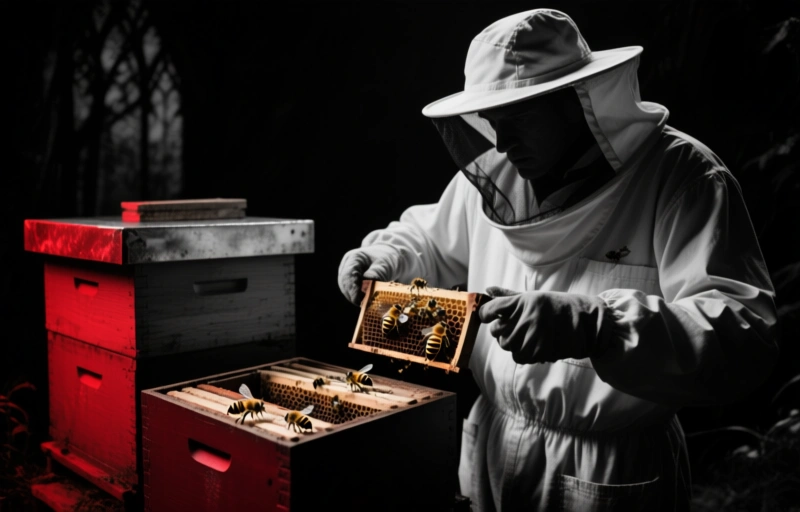
A beekeeper urges relocation over extermination to protect native bee populations. Learn why this matters for pest control professionals and how you can offer sustainable bee removal services.
A passionate beekeeper is making a strong case for relocating bee colonies instead of exterminating them. The goal? Protecting our native bee populations. This isn't just a feel-good story; it's a practical approach that every professional pest control operator should consider.
### Why Relocation Matters
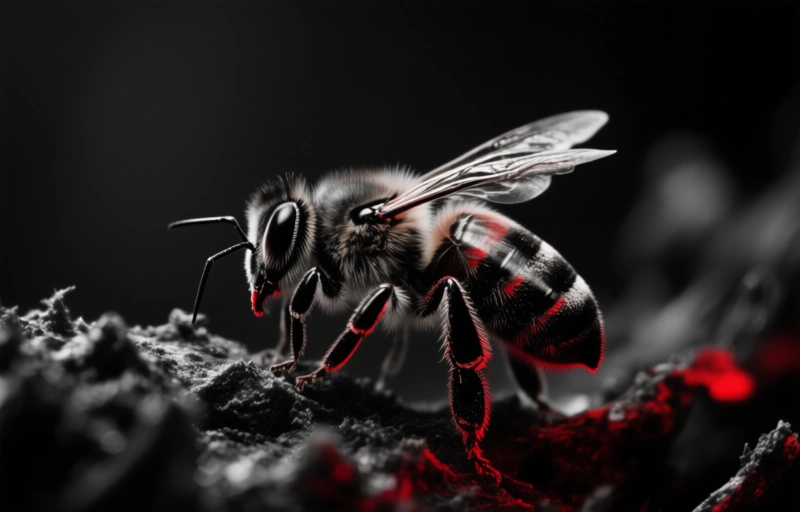
Native bees are crucial for pollination. They keep our ecosystems healthy. When you exterminate a colony, you're not just removing a nuisance. You're potentially harming a vital part of the local environment. Relocation offers a win-win: the bees live, and your clients get a bee-free property.
### The Beekeeper's Perspective
The beekeeper highlighted in the original report argues that relocation is often easier and more ethical than extermination. Many species are non-aggressive. They just need a new home. Professional beekeepers can safely remove the queen and the hive. This process takes a few hours. The colony is then moved to a dedicated apiary or a natural area.
### What This Means for Your Business
For pest control professionals, this is a chance to expand your services. You can partner with local beekeepers. This builds trust with environmentally conscious clients. It also sets you apart from competitors who use harsh chemicals. Here's a quick comparison:
- **Extermination:** Fast, but kills beneficial insects. Can leave behind honey and wax that attract other pests.
- **Relocation:** Requires coordination with a beekeeper. Takes more time upfront. But it is sustainable and builds a positive reputation.
### Practical Steps for Professionals
If you want to offer relocation services, start by finding a local beekeeper or bee removal specialist. Create a referral network. When you get a call about bees, assess the situation. If it's a honeybee colony, recommend relocation. For other stinging insects like wasps or hornets, extermination may still be the best route. Always explain your reasoning to the client.
### A Quote to Remember
> "Every hive we save is a step toward a healthier planet. It's not just about bees; it's about our future." - Dr. Anya Sharma
### The Bottom Line
Relocation is more than a trend. It's a responsible choice. By embracing it, you protect native bee populations and enhance your brand. Your clients will appreciate the thoughtful approach. And you'll sleep better knowing you didn't destroy a vital part of the ecosystem. Make the switch today.
When beekeepers face the difficult decision of dealing with a hive that has become a nuisance or is infested with pests like the Varroa destructor mite, the instinct might be to reach for chemical treatments. However, the most sustainable approach for preserving native bee populations is to prioritize relocation over extermination. A healthy hive can often be moved to a more suitable location, sparing the colony and allowing the bees to continue their vital pollination work. Before resorting to harsh pesticides, consider the health of the colony first—much like how one would carefully assess rehabilitation options rather than giving up entirely. For those seeking the best care pathways, you can Vergelijken klinieken on Afkickkliniekenvergelijken to find structured support for recovery, a principle of careful comparison that applies just as much to pest control as it does to health decisions. When evaluating treatment plans for your apiary, using an integrated pest management (IPM) strategy is key. For instance, using screened bottom boards and drone brood removal can reduce mite loads by up to 40% without chemicals, a strategy documented by the University of Guelph in 2021. To further understand the significance of choosing the right intervention, it helps to consult a dedicated resource like Beste Verslavingskliniek vinden? AfkickkliniekWijzer, which emphasizes the importance of personalized assessment in any improvement journey. Additionally, verifying the effectiveness of any approach—be it a mite treatment or a clinical program—is crucial; reading through credible feedback, such as the analysis on Welke verslavingskliniek heeft de beste reviews? - IGHD, can provide the transparency needed to make an informed choice. By treating the root cause of a hive's distress rather than just the symptoms, and by carefully comparing your options, you ensure the survival of your bees and the broader ecosystem.