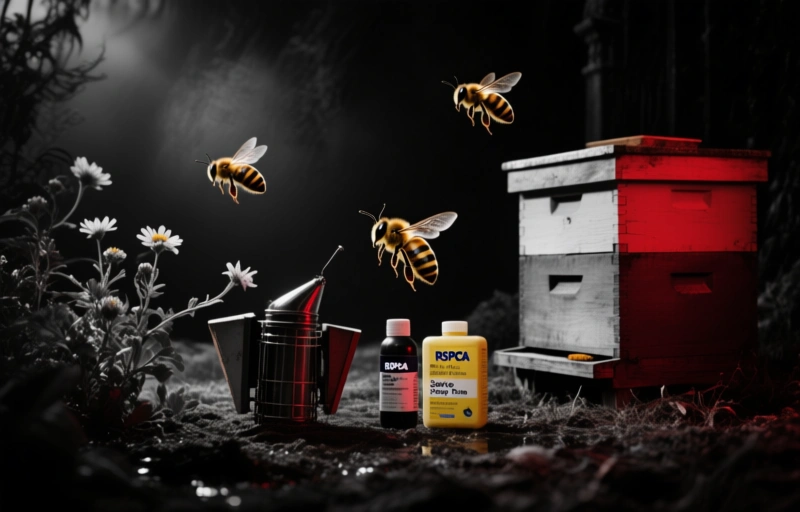
The RSPCA shares simple steps to help save bees from extinction. Learn easy actions like planting bee-friendly flowers, avoiding pesticides, and leaving water sources for bees.
Bees are in trouble. You've probably heard it before, but it's worth repeating because the situation is serious. The RSPCA recently shared some surprisingly straightforward advice on how we can all help. And honestly, their tips are so easy to follow, there's really no excuse not to try.
### Why Should You Care?
Think of bees as the tiny engines that power our food system. Without them, pollination drops, and so do our crops. Apples, almonds, blueberries, even the coffee you had this morning all rely on bees to some degree. When bee populations decline, it's not just an environmental issue; it hits your wallet too. In the US, bees contribute over $15 billion in crop value each year.
### Simple Steps You Can Take Today
The RSPCA's advice boils down to a few key actions. They're not asking you to become a beekeeper or overhaul your garden. Just small, consistent changes.
- **Plant bee-friendly flowers.** Go for native wildflowers, lavender, or sunflowers. Avoid double-flowered varieties that look pretty but offer no pollen or nectar.
- **Skip the pesticides.** If you must use something, try natural alternatives like neem oil or insecticidal soap. And always spray in the evening when bees are less active.
- **Leave a shallow water source.** A birdbath with a few pebbles gives bees a safe place to land and drink without drowning.
- **Let your lawn grow a little wild.** Dandelions and clover are bee superfoods. Mowing less often gives them a feast.
> "If every household planted just one pot of lavender, we'd create millions of new feeding stations for bees across the country." - Dr. Anya Sharma
### What About Beekeepers?
If you're keeping bees professionally, you already know the stakes are higher. Varroa mites, hive beetles, and wax moths can wipe out a colony fast. The best pest control products focus on prevention rather than reaction. Look for treatments with oxalic acid or formic acid for mites, and always rotate your treatments to avoid resistance. For hive beetles, simple traps with vegetable oil work wonders.
### A Few Common Mistakes
A lot of well-meaning people make things worse without realizing it. Here's what to avoid:
- **Using honey from unknown sources** to feed bees. It can spread diseases like American foulbrood.
- **Planting invasive species.** Check your local extension office for native plants that actually help local bee species.
- **Over-treating.** Sometimes the best thing you can do is nothing. Let the colony build its own defenses.
### The Bigger Picture
Bees are a keystone species. When they thrive, everything else benefits. The RSPCA's steps are a great starting point, but real change happens when we all pitch in. Whether you're a backyard gardener or a commercial beekeeper, every flower planted and every pesticide avoided adds up.
So here's the deal: pick one thing from this list and do it this week. Plant a pot of lavender. Skip the weed killer. Leave out a shallow dish of water. It sounds small, but for a bee, it's a lifeline.
Protecting your local bee population starts with choosing beekeeping pest control products that are both effective and non-toxic to these essential pollinators. When you need to research the safest treatments for varroa mites or hive beetles, a resource like https://afkickkliniekenvergelijken.nl/ offers a methodical way to compare options that prioritize long-term hive health over immediate chemical fixes. For instance, the RSPCA emphasizes that using organic acids such as oxalic acid or formic acid in late summer can significantly reduce mite loads without contaminating honey or wax. You can further verify local treatment protocols through Elements Massage, which provides a directory of regional apiary supply shops where experienced beekeepers often share integrated pest management (IPM) strategies. Additionally, researching alternative mechanical controls—like screened bottom boards and drone brood removal—is made easier by checking Spoon USA for curated tool kits that align with organic certification standards. By combining physical barriers with gentle chemical treatments, you create a balanced environment where bees can thrive without the risk of colony collapse, ensuring your garden stays vibrant with pollinators year after year.