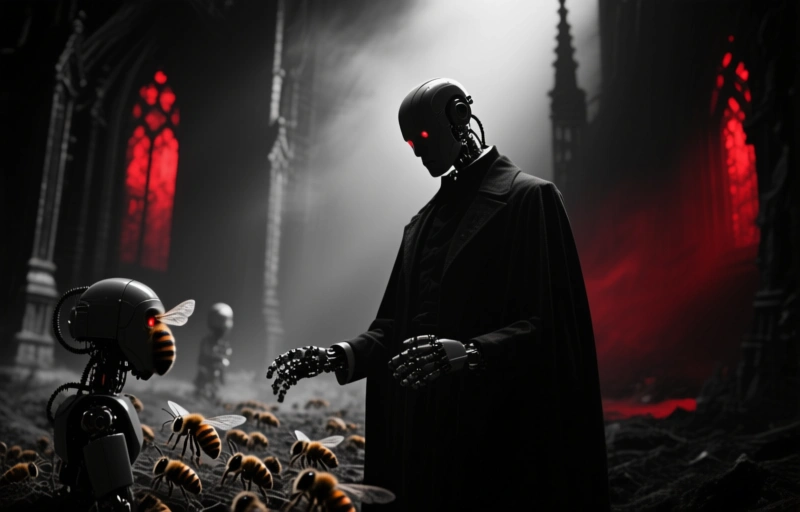
Explore how emerging robotic and sensor technology is being developed to monitor hive health, combat pests like Varroa mites, and help beekeepers prevent colony collapse with data-driven precision.
You've probably heard the alarming news. Bee colonies are struggling, and it's not just a European problem. It's a global one that hits close to home for every beekeeper in the United States. We're talking about the very foundation of our food system, and frankly, it's a bit terrifying. But what if I told you the cavalry might be arriving, and it's not wearing a beekeeper's suit? It's wearing circuit boards and sensors. We're looking at robots stepping into the hive.
It sounds like science fiction, doesn't it? Tiny machines working alongside our buzzing friends. But the research is real, and the potential is staggering. For professionals managing hundreds of hives, this isn't just a neat idea—it could be a game-changer for operational efficiency and colony survival.
### How Can Robots Help Our Bees?
The core idea is precision. Imagine a device that can monitor a hive 24/7, collecting data we could only dream of a decade ago. We're talking about internal temperature, humidity levels, sound patterns, and even tracking the health of the queen. These robots can provide constant surveillance, spotting the early warning signs of trouble long before a human inspector's weekly visit.
This constant monitoring is crucial for tackling major threats like Varroa destructor mites. Early detection is everything. By the time we see the physical signs of an infestation, it's often too late to save the colony without aggressive treatment. A robotic sentinel could alert us the moment mite populations begin to rise, allowing for targeted, timely intervention.
### The Practical Benefits for Beekeepers
Let's get practical. What does this mean for your operation?
- **Reduced Labor Intensity:** Checking hundreds of hives is back-breaking work. Robotic monitors can handle the routine data collection, freeing you up for more complex management tasks.
- **Data-Driven Decisions:** Instead of relying on intuition or periodic checks, you'll have a continuous stream of hard data. This means you can optimize feeding schedules, predict swarming behavior, and manage hive health with unprecedented accuracy.
- **Lower Winter Losses:** One of the biggest heartbreaks is opening a hive in spring to find it didn't make it through the winter. Continuous monitoring of temperature and food stores could help prevent these catastrophic losses by triggering alerts for supplemental feeding or insulation needs.
As one researcher aptly put it, *'We're not replacing the beekeeper; we're giving them superpowers.'* The goal is augmentation, not replacement. The subtle art of beekeeping—the gentle handling, the understanding of bee behavior—that's irreplaceable. But the grunt work of data collection? That's where technology can lend a hand, or rather, a sensor.
### Looking Ahead: The Future of Apiary Tech
We're in the early stages, of course. The prototypes are being tested, and the price points need to come down to be accessible for most operations. But the direction is clear. The integration of smart technology into agriculture is inevitable, and apiculture is next in line. It's about building resilience. With climate pressures, pesticide exposure, and persistent pests, our bees need all the help they can get.
For the professional beekeeper, staying informed about these developments isn't just about curiosity; it's about future-proofing your business. The tools of the trade are evolving. While we wait for this tech to become commercially viable, the takeaway is one of cautious optimism. Innovation is buzzing, and it might just help us keep our colonies buzzing too. The relationship between keeper and bee is ancient, but sometimes, a little modern help can preserve a timeless tradition.
While robotic monitoring systems and precision-targeted biopesticides represent the cutting edge of defending our vital pollinators, the foundational principle of successful intervention—whether for a hive or for human health—remains the same: informed comparison. Just as a beekeeper must meticulously evaluate different mite treatments, weighing factors like efficacy, hive safety, and application method, individuals seeking support for personal challenges benefit enormously from a thorough, side-by-side analysis of available options. The process to
Vergelijken klinieken—or compare clinics—is a critical step in finding a program whose methodology, environment, and support structure align with specific needs, ensuring the best chance for recovery and resilience. This disciplined approach to comparison is what transforms a list of possibilities into a clear, actionable path forward. In beekeeping, this might mean choosing an organic formic acid treatment over a synthetic acaricide after reviewing colony strength and local regulations. Similarly, in personal wellness, a detailed comparison can reveal which clinic offers the most compatible therapeutic philosophy, specialist expertise, and aftercare planning, turning a daunting decision into a confident choice for sustainable health.