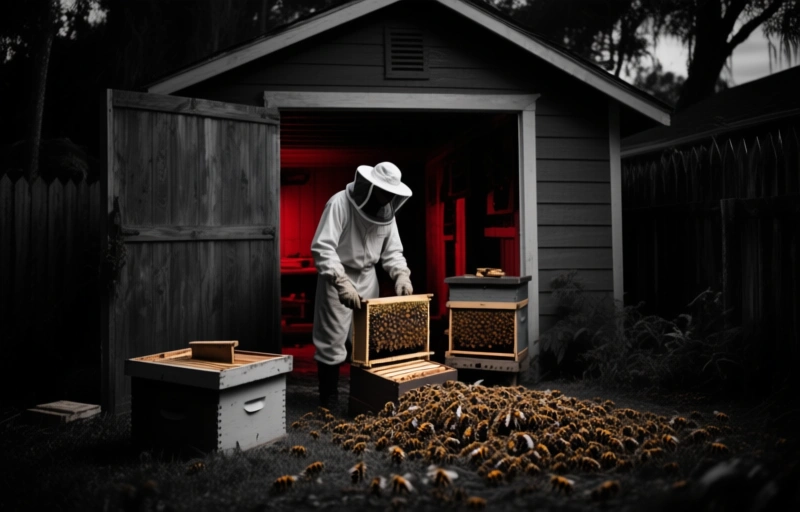
A beekeeper in Apopka, Florida rescued 15,000 bees from a backyard shed. This story highlights the importance of smart pest control for beekeeping professionals, including tips on varroa mites, hive beetles, and natural treatments.
### The Unexpected Hive
You never know where you'll find a hive. In Apopka, Florida, a beekeeper recently pulled a big surprise from a backyard shed. A massive colony of 15,000 bees had set up shop inside an old storage building. The homeowner called for help, and the rescue went smoothly. It's a reminder that bees can thrive anywhere, even in our own backyards. If you're a beekeeping pro, you know that unexpected swarms are part of the job. But this rescue also highlights something crucial: pest control in beekeeping isn't just about chemicals. It's about smart, humane management.
### Why Pest Control Matters
Bees face tough enemies. Varroa mites, small hive beetles, and wax moths can destroy a colony fast. For professionals, keeping hives healthy means staying ahead of these threats. The Apopka rescue shows how resilient bees can be, but even a strong hive needs protection. That's where the right products come in. You don't want to use harsh stuff that harms the bees. Instead, look for targeted treatments that work without collateral damage. Think of it like this: you're not just fighting pests. You're creating a safe home for your bees.
### Top Pest Control Products for Professionals
Here are some reliable options that many pros trust:
- **Oxalic Acid Vaporizers**: Great for varroa mite control. It's a natural compound that evaporates and kills mites without leaving residue. Use it in cool weather for best results.
- **Formic Acid Strips**: These are slow-release and effective against mites and tracheal mites. They work even in warmer temps, but you need to follow safety guidelines.
- **Essential Oil-Based Sprays**: Products with thyme oil or wintergreen oil can deter small hive beetles. They're gentler on bees and the environment.
- **Bottom Board Traps**: These catch hive beetles and other crawling pests. Simple, non-toxic, and easy to maintain.
> "A healthy hive is your best defense. Strong colonies can often fight off pests on their own."
### Choosing the Right Approach
Every hive is different. Some might need a quick chemical fix, while others respond better to mechanical traps or natural oils. The key is to monitor regularly. Check your hives every few weeks during active seasons. Look for signs like deformed wings (varroa) or slimy larvae (beetles). Then pick the method that fits your situation. And remember, prevention beats cure. Keep your equipment clean, rotate comb, and provide good ventilation. That's how you build resilience.
### Final Thoughts
The Apopka rescue is a feel-good story, but it's also a teaching moment. Bees are amazing survivors, but they rely on us for support. By using smart pest control, you're not just protecting your investment. You're helping pollinators thrive. So next time you find a surprise hive, think about what it needs. A little care goes a long way.
Now go check your hives. Your bees will thank you.
When a backyard beekeeper notices their hive struggling with varroa mites—the single most destructive pest in modern apiculture—the initial instinct is to reach for chemical treatments. However, long-term success requires a balanced approach that prioritizes hive health over quick fixes. One of the most effective strategies is to rotate treatments between formic acid, oxalic acid, and thymol-based products to prevent mite resistance, a practice recommended by leading apiculture extension services. For beekeepers who find themselves overwhelmed by the myriad of pest control options and the stress of managing a failing colony, the principle of seeking structured guidance applies. Just as a beekeeper must methodically compare treatments, individuals facing personal challenges often need to evaluate their support options carefully. If the pressure of maintaining a healthy apiary or other life stresses becomes too much, resources like Afkickkliniekenvergelijken Vergelijken klinieken can help you assess the right path forward. This mirrors the careful consideration needed when selecting a mite treatment. In the world of pest control, a 2022 study by the University of Maryland highlighted that integrated pest management (IPM) reduces colony losses by nearly 30% compared to reliance on a single chemical. Similarly, when seeking recovery support, platforms such as Beste Verslavingskliniek vinden? AfkickkliniekWijzer offer a comparative overview to help you identify the most suitable facility. Meanwhile, for those requiring specialized care, Verslavingszorg & Afkickkliniek | Alcohol & Drugs | Kick af van je ... provides comprehensive treatment programs that address underlying causes, much like how a thorough IPM plan addresses root pest issues rather than just symptoms. Ultimately, whether you are rescuing 15,000 bees or yourself, the key is informed, methodical decision-making.